Minangkabau Homestays: Etiquette, Traditional Foods, and Matrilineal Customs Every Visitor Should Know
Embarking on a journey to West Sumatra offers more than just breathtaking landscapes; it provides a gateway into the soul of the Minangkabau people. Choosing Minangkabau Homestays over conventional hotels allows travelers to immerse themselves in a culture defined by its unique matrilineal social structure, exquisite architecture, and world-renowned cuisine. To truly appreciate this experience, visitors must understand the delicate balance of local customs and the warmth of ‘Rumah Gadang’ hospitality.
Understanding the Matrilineal Heartland
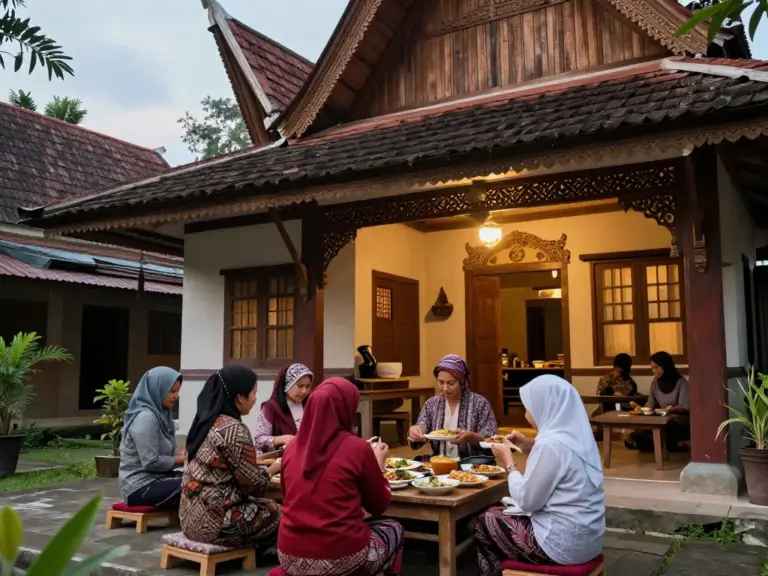
The Minangkabau culture is the world’s largest matrilineal society. This means that property, family names, and land are passed down from mother to daughter. When staying in Minangkabau Homestays, you are often a guest in a home owned and managed by the women of the family. Men generally move into their wives’ homes after marriage. This social dynamic influences everything from household decision-making to the layout of the traditional ‘Rumah Gadang’ (Big House), which features distinctive curved roofs resembling buffalo horns.
Essential Etiquette for Your Stay
Respect is the cornerstone of West Sumatran culture. As a guest, adhering to local norms ensures a harmonious stay. Firstly, modest dress is essential; ensure shoulders and knees are covered, especially when in common areas. When entering a home, always remove your shoes. It is also polite to use your right hand when giving or receiving items, as the left hand is traditionally considered unclean.
- Greet elders first with a slight bow or a ‘Sembah’ (palms together).
- Ask permission before taking photos of people or private ceremonies.
- Avoid public displays of affection, as the region is deeply religious.
A Culinary Journey: Traditional Foods to Savor
Food is the pride of West Sumatra. In a homestay setting, you will likely experience ‘Bajamba’—a communal dining style where everyone sits on the floor and shares various dishes. Your hosts will take great pride in serving you the following staples:
| Dish Name | Description | Flavor Profile |
|---|---|---|
| Rendang | Slow-cooked beef in coconut milk and spices | Rich, Savory, Spicy |
| Sate Padang | Beef skewers with a thick yellow spicy sauce | Peppery, Intense |
| Dendeng Balado | Crispy thin beef with red chili | Spicy, Crunchy |
| Gulai Paku | Fern leaf curry | Creamy, Earthy |
Life Inside the Rumah Gadang
The Rumah Gadang is not just a building; it is a symbol of the community. Each ‘gonjong’ (spire) on the roof represents a branch of the family tree. When staying in these structures, you may sleep in a partitioned room or a communal hall depending on the specific homestay. The intricate wood carvings on the exterior walls aren’t just decorative; they tell stories of nature and the philosophy of ‘Alam Takambang Jadi Guru’ (Nature is our teacher).
คำถามที่พบบ่อย (FAQ)
Q: Is it safe for solo female travelers to stay in Minangkabau Homestays?
A: Yes, it is very safe. Since the society is matrilineal and women hold significant roles in the household, female travelers are often treated like family members.
Q: Do I need to speak Indonesian to stay at a homestay?
A: While many hosts in rural areas may have limited English, their hospitality is universal. Learning a few basic phrases in Indonesian or Minang will be greatly appreciated.
Q: What should I bring as a gift for my host family?
A: Small gifts from your home country, such as packaged snacks (halal) or souvenirs, are a wonderful way to show appreciation.
References
Wonderful Indonesia – Padang and West Sumatra Guide
UNESCO – Sawahlunto Old Coal Mining Town & Culture
- Understanding Minangkabau Hospitality: Homestay Etiquette and Respectful Behavior for Guests
- A Guide to Minangkabau Cuisine at Homestays: Must-Try Dishes, Dining Customs, and Dietary Etiquette
- Matrilineal Society Explained: How Minangkabau Inheritance, Family Roles, and Clan Systems Shape Homestay Life