Why people choose Telaga Waja rafting and what safety grades mean for different experience levels
Bali is globally renowned for its breathtaking landscapes, but for those seeking an adrenaline rush amidst nature, Telaga Waja rafting stands out as a premier adventure. Located in the eastern part of the island, beneath the majestic shadow of Mount Agung, the Telaga Waja River offers a unique blend of thrill, scenic beauty, and technical challenge. Understanding why travelers gravitate toward this specific river and how safety grades dictate the experience is essential for anyone planning their Balinese itinerary.
The Unmatched Appeal of Telaga Waja Rafting
One of the primary reasons people choose Telaga Waja rafting over other rivers like the Ayung is the sheer intensity and duration of the trip. The river flows through a deep valley with steep cliffs and lush rainforests, providing a backdrop that feels untouched by modern development. Unlike other rivers that may have slower sections, Telaga Waja maintains a consistent flow, keeping paddlers engaged from start to finish.
The water quality is another significant factor. Originating from the mountain springs of Mount Agung, the water is remarkably clear and cool. The journey also features a famous 4-meter drop at the Bajing Dam, which serves as the ultimate climax for thrill-seekers. This “jumping” point is a signature highlight that differentiates Telaga Waja from more placid river experiences.
Understanding River Safety Grades and Difficulty
When discussing Telaga Waja rafting, it is crucial to understand the International Scale of River Difficulty. This grading system helps participants gauge whether a river matches their physical capability and comfort level. Telaga Waja is generally classified between Class II and Class IV, depending on the season and rainfall.
| Class | Description | Experience Level Required |
|---|---|---|
| Class II | Easy rapids with wide, clear channels. | Beginner |
| Class III | Moderate rapids with irregular waves; requires maneuvering. | Intermediate |
| Class IV | Intense, powerful rapids; requires precise boat handling. | Advanced / Guided |
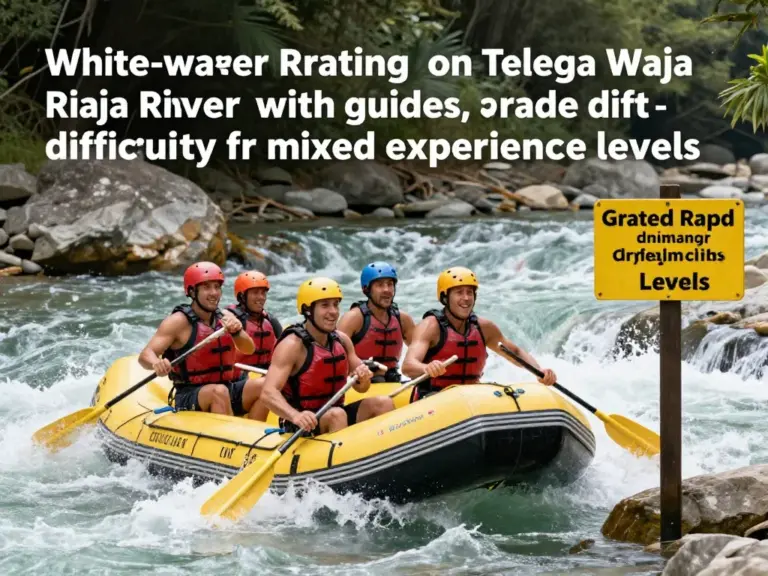
For most of the year, Telaga Waja sits at a Class III level. This means it offers enough excitement for adults and teenagers while remaining manageable under the guidance of a professional. During the rainy season, the water level rises, and certain sections can reach Class IV, demanding more physical effort and quicker reactions from the crew.
Safety Protocols for Different Experience Levels
Safety is the cornerstone of the Telaga Waja experience. Regardless of whether you are a first-timer or a seasoned rafter, professional operators implement strict protocols to mitigate risks. These include high-quality personal flotation devices (PFDs), helmets, and specialized paddles designed for rocky riverbeds.
- Pre-Departure Briefing: Every session begins with a safety demonstration covering paddling techniques and emergency procedures.
- Certified Guides: Guides are trained in swift-water rescue and first aid, ensuring they can navigate the Class IV sections safely.
- Equipment Checks: Rafts are inspected daily for structural integrity.
For beginners, the presence of a guide who knows every rock and eddy of the river is comforting. For experienced rafters, the challenge lies in the technical maneuvers required to navigate the narrow passages and sudden drops that define the Telaga Waja route.
Why Experience Levels Matter
Choosing a river that matches your experience level ensures that the adventure remains enjoyable rather than overwhelming. Telaga Waja is often recommended for those who have tried rafting before or for active individuals who are comfortable with a more vigorous physical activity. While children as young as 7 or 8 can participate with reputable companies, the physical nature of the 16km trek means that a basic level of fitness is beneficial.
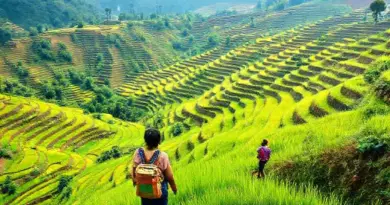
The “experience” isn’t just about the rapids; it’s also about endurance. Paddling for 2 to 2.5 hours requires consistent effort. However, the reward—a stunning view of Balinese rice fields and the thrill of the final dam jump—makes every ounce of effort worthwhile.
คำถามที่พบบ่อย (FAQ)
References
- Official Indonesia Tourism Portal
- Bali Tourism Board
- International Scale of River Difficulty Guidelines