Freediving in Amed: Complete Guide to Course Depth Progression and Best Months to Train
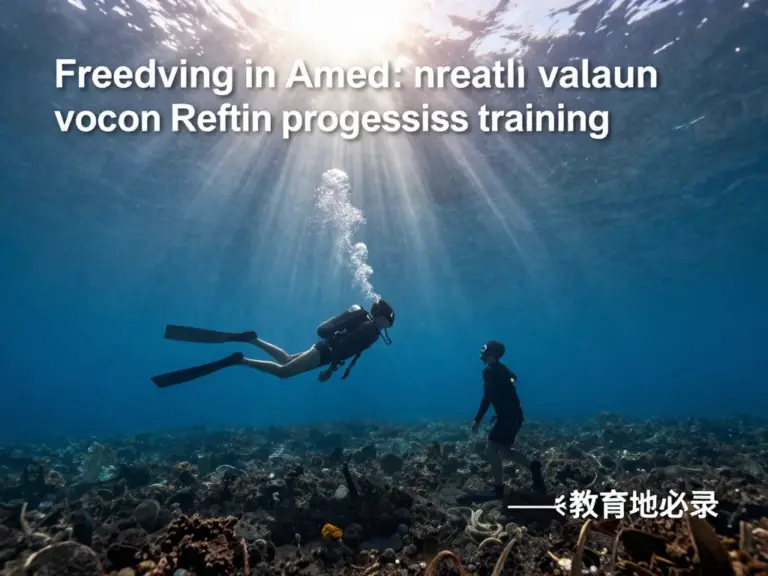
Freediving in Amed has become a global sensation for those seeking to explore the depths of the ocean on a single breath. Located on the eastern tip of Bali, Amed offers a unique combination of volcanic black sand beaches, crystal-clear waters, and deep drop-offs just meters from the shore. Whether you are a complete beginner or an aspiring professional, understanding the depth progression and the seasonal conditions is crucial for a successful training experience.
Why Choose Freediving in Amed?
Amed stands out from other diving destinations in Indonesia due to its accessibility. Unlike many spots where you need a long boat ride to reach deep water, Amed provides ‘shore entry’ access to depths of 40 to 60 meters within a short swim. This makes it incredibly cost-effective and efficient for students looking to maximize their time in the water. The local community is deeply rooted in the ocean, and the presence of world-class freediving schools ensures high safety standards and professional instruction.
Freediving Course Depth Progression
When embarking on your journey of Freediving in Amed, you will follow a structured progression designed by international agencies like PADI, SSI, or Molchanovs. Here is what you can expect at each level:
| Course Level | Target Depth | Key Focus Skills |
|---|---|---|
| Beginner (Level 1) | 10 – 20 Meters | Equalization (Frenzel), Breath-hold basics, Duck dives. |
| Intermediate (Level 2) | 20 – 30 Meters | CO2 Tolerance, Freefall technique, Advanced safety. |
| Advanced (Level 3) | 30 – 40+ Meters | Mouthfill equalization, Lung stretching, Deep relaxation. |
The Beginner Experience
For most, the journey starts with a 2-day course. You will learn the physiology of breath-holding and the ‘Frenzel’ equalization technique. Amed’s calm Jemeluk Bay is the primary classroom for these initial dives, where you can practice near the famous underwater post office.
Intermediate and Advanced Training
As you progress, the focus shifts to ‘Freefall’—the point where you become negatively buoyant and sink effortlessly. This requires mental discipline and advanced relaxation. Training for these levels often takes place in the deeper blue waters just off the coast of Selang or Bunutan.
Best Months to Train in Amed
While Amed is a year-round destination, the quality of your training can be significantly affected by the seasons. Understanding the weather patterns will help you choose the best time for your trip.
- April to June (The Sweet Spot): This is arguably the best time. The rainy season has ended, visibility is high (20-30m), and the water is warm (28-30°C).
- July to September (The Windy Season): While the visibility remains excellent, surface conditions can get choppy due to the southeast trade winds. Schools may move training to more sheltered bays.
- October to December (Peak Visibility): Another fantastic window for deep training. The seas are flat, and the water remains very warm.
- January to March (Rainy Season): Expect occasional heavy rain. Visibility may drop slightly due to runoff, but the water remains warm and diveable most days.
Essential Tips for Your Amed Trip
To make the most of your training, consider the following:
1. Stay Local: Choose accommodation in Jemeluk or Lipah to be close to the dive sites.
2. Equalization is Key: If you have sinus issues, start practicing ear clearing weeks before you arrive.
3. Hydration: The Bali sun is intense; drink plenty of water and electrolytes between sessions.
คำถามที่พบบ่อย (FAQ)
Is freediving in Amed safe for beginners?
Yes, Amed is one of the safest places to learn. The lack of strong currents in the main training bays and the presence of certified international schools ensure a safe learning environment.
What is the average water temperature in Amed?
The water temperature typically ranges between 27°C and 30°C year-round, meaning a 3mm wetsuit is usually sufficient for most divers.
Do I need to be a strong swimmer to start?
You should be comfortable in the water and able to swim 200 meters unaided, but you do not need to be a competitive athlete to begin a Level 1 course.
How many days does a freediving course take?
A standard Level 1 course takes 2 to 3 days, while Level 2 and Level 3 courses typically take 3 to 4 days each.
References
- Why choose Amed for freediving? Overview of conditions, visibility, marine life, and seasonal climate
- Freediving course progression in Amed: beginner to advanced depths, skill milestones, and expected timelines
- Training calendar and best months: wind, currents, water temperature, and ideal times for depth progression