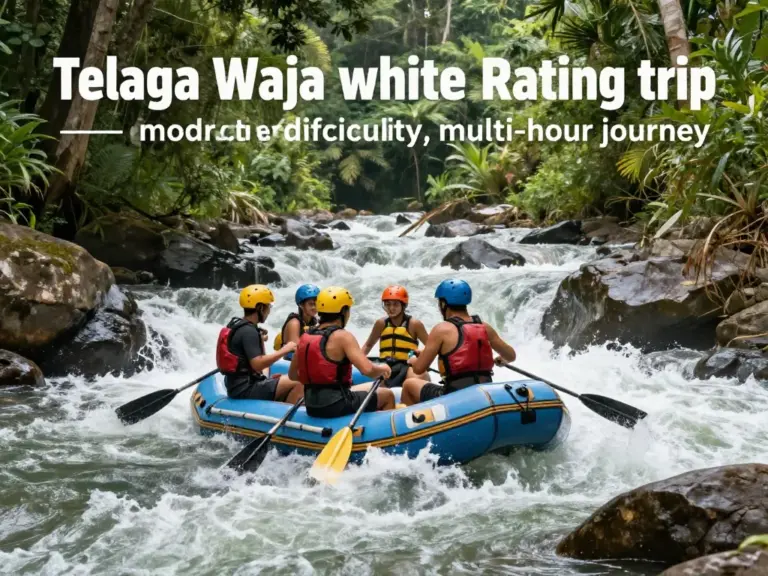
What to expect on a typical Telaga Waja rafting trip — difficulty, duration, equipment, and river conditions
Embarking on a Telaga Waja rafting trip is often cited as the highlight of many Bali vacations. Located in the shadow of the majestic Mount Agung, the Telaga Waja River offers a unique blend of adrenaline-pumping rapids and breathtaking natural scenery. Unlike the more mellow Ayung River, Telaga Waja provides a longer course and faster currents, making it the premier choice for thrill-seekers visiting Indonesia.
Understanding the Difficulty Level
The Telaga Waja River is classified as a Class III to IV river on the International Scale of River Difficulty. This means you can expect fairly frequent rapids with moderate waves and perhaps a few drops. The most iconic part of the trip is the final 4-meter drop at the Bajing Dam. While it sounds intimidating, it is perfectly safe when guided by professionals. It is suitable for beginners and families with children aged 7 and above, provided they are comfortable with a bit of splashing and excitement.
River Conditions and Scenery
One of the standout features of a Telaga Waja rafting trip is the water quality. The river originates from the springs of Mount Agung, resulting in crystal-clear water that remains relatively clean even during the rainy season. As you navigate the river, you will pass through lush rainforests, hanging trees, and vibrant green rice paddies. The air is noticeably cooler here than in the coastal areas of Kuta or Seminyak, providing a refreshing escape from the tropical heat.
Duration: How Long Does it Take?
A typical rafting excursion on this river lasts about 2.5 to 3 hours on the water. However, you should plan for a full-day activity. When you include hotel transfers (which can take 1.5 to 2 hours depending on your location), safety briefings, gear fitting, and the post-rafting buffet lunch, the entire experience usually spans 6 to 8 hours. Most operators pick up guests between 7:30 AM and 8:30 AM.
Essential Equipment Provided
When you book with a reputable operator, all specialized equipment is included. You will be provided with:
- High-quality inflatable rafts
- Life jackets (PFDs) that meet international safety standards
- Safety helmets
- Lightweight paddles
- Waterproof bags to store small valuables like cameras or phones
What You Should Bring
While the operator provides the gear, you should come prepared with swimwear or lightweight shorts and a T-shirt that can get wet. River sandals or sneakers with good grip are essential, as you will need to walk down some stairs to reach the riverbank. Don’t forget a change of clothes for after the trip, sunscreen, and a plastic bag for your wet items.
| Feature | Telaga Waja River | Ayung River |
|---|---|---|
| Difficulty | Class III – IV (Adventurous) | Class II – III (Mellow) |
| Water Clarity | Very Clear | Slightly Murky |
| Track Length | 16 km | 12 km |
คำถามที่พบบ่อย (FAQ)
Q1: Is the Telaga Waja rafting trip safe for non-swimmers?
Yes, it is safe for non-swimmers. All participants are required to wear high-buoyancy life jackets, and a professional river guide is stationed in every boat to manage navigation and safety.
Q2: What is the age limit for rafting on Telaga Waja?
Most operators allow children from age 7 up to adults aged 65. However, participants should be in good physical health and able to navigate stairs.
Q3: When is the best time of year to go?
While rafting is available year-round in Bali, the best conditions are typically during the dry season (April to October) for clear water, or the early rainy season (November to December) for faster rapids.
Q4: Do I need to bring my own towel?
Most premium rafting operators provide clean towels and shower facilities at the finish point, but it is always a good idea to check your booking details or bring a small one just in case.
References
Official Indonesia Tourism – Bali Guide
Wikipedia: International Scale of River Difficulty