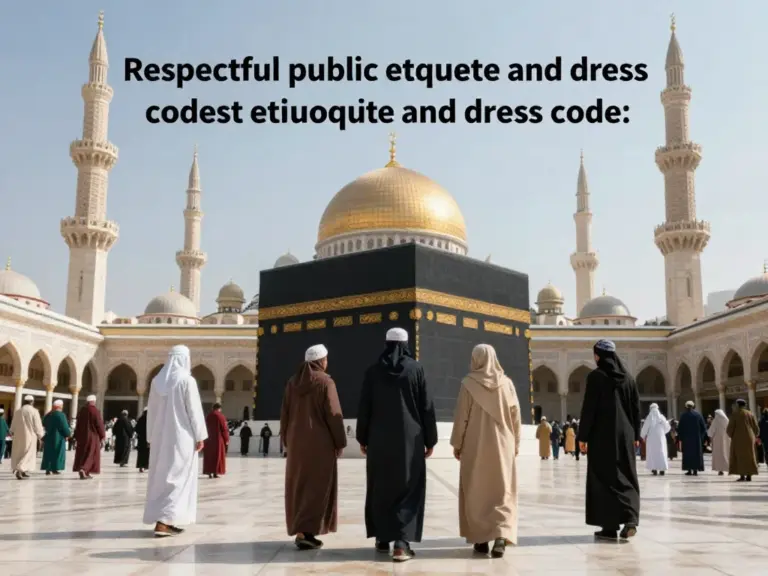
Public Etiquette and Dress Code: respectful clothing, public displays of affection, and behavior in mosques and holy sites
Indonesia is a land of immense beauty, diverse cultures, and deep-rooted traditions. As a predominantly Muslim nation with significant Hindu, Christian, and Buddhist populations, understanding the local Public Etiquette and Dress Code is essential for any traveler. Respecting local norms not only ensures a smoother journey but also fosters meaningful connections with the warm and hospitable Indonesian people.
Understanding the General Dress Code in Indonesia
While major cities like Jakarta and tourist hubs like Bali are becoming more westernized, the general rule for Public Etiquette and Dress Code in Indonesia is modesty. For both men and women, it is respectful to keep shoulders and knees covered when wandering through local villages, markets, or government buildings. Lightweight, breathable fabrics like cotton or linen are ideal for the tropical climate while maintaining a respectful appearance.
Dress Code for Women
In most public areas, t-shirts, blouses, and long skirts or trousers are perfectly acceptable. Avoid wearing revealing clothing like crop tops, short shorts, or plunging necklines in non-resort areas. In more conservative regions like Aceh, women are expected to dress even more modestly, covering arms and legs entirely.
Dress Code for Men
Men generally wear t-shirts or collared shirts with trousers or long shorts. While shorts are common in tourist areas, long pants are preferred when visiting official offices or attending formal gatherings. The ‘Batik’ shirt is the national dress and is highly respected for any formal or semi-formal occasion.
Behavior in Mosques and Holy Sites
Visiting a mosque or a temple is a highlight of Indonesia tourism, but it requires strict adherence to religious protocols. These sites are active places of worship, and your behavior should reflect that sanctity.
- Remove Footwear: Always remove your shoes before entering a mosque or the inner courtyard of a Hindu temple.
- Full Coverage: Women must cover their heads with a scarf (hijab) when entering a mosque. Both men and women must cover their arms and legs. Many sites provide sarongs for rent.
- Keep Quiet: Maintain a low voice and avoid walking in front of people who are praying.
- Photography: Always ask for permission before taking photos, especially during prayer times.
Public Displays of Affection (PDA)
In Indonesian culture, public displays of affection are generally frowned upon. Holding hands is usually acceptable in tourist areas, but passionate kissing, hugging, or excessive physical contact in public is considered disrespectful and can cause significant discomfort to locals. This applies to all couples, regardless of orientation. Maintaining a level of decorum in public spaces is a key component of the Public Etiquette and Dress Code.
General Social Etiquette
Beyond clothing, how you interact with others defines your experience. Here are a few essential tips:
| Action | Etiquette Rule |
|---|---|
| Using Hands | Always use your right hand for eating, giving, or receiving items. The left hand is considered ‘unclean’. |
| Pointing | Do not point with your index finger. Use your thumb (with a closed fist) or a gentle wave of the hand. |
| The Head | The head is considered the most sacred part of the body. Avoid touching anyone’s head, including children. |
| Saving Face | Avoid public confrontations or shouting. Staying calm and smiling is the best way to resolve issues. |
คำถามที่พบบ่อย (FAQ)
Q: Can I wear a bikini on the beach in Indonesia?
A: In tourist-heavy areas like Bali, Gili Islands, and private resorts, bikinis are perfectly fine on the beach. However, please cover up with a sarong or dress when leaving the sand to go to a cafe or walk on the street.
Q: Do I need to wear a headscarf everywhere in Indonesia?
A: No, non-Muslim women are not required to wear a headscarf in public. You only need to wear one when entering a mosque as a sign of respect.
Q: Is it okay for unmarried couples to share a hotel room?
A: In most international hotels and tourist areas, this is not an issue for foreigners. However, in more conservative regions or smaller local guesthouses (losmen), you might encounter stricter views, though enforcement on tourists is rare.
Q: What should I do if I accidentally break a cultural rule?
A: Don’t panic. A sincere smile and a polite apology (saying ‘Maaf’) go a long way. Indonesians are generally very forgiving of tourists who show a genuine effort to be respectful.
References
Official Indonesia Tourism Website
Lonely Planet: Indonesia Etiquette
- Ramadan Travel Etiquette in Indonesia: Fasting Hours, Cultural Do’s and Don’ts for Respectful Visitors
- Understanding Ramadan in Indonesia: significance, local customs, and expected public behaviors for travelers
- Fasting Hours and Practical Tips: typical suhoor and iftar times by region, how to plan travel and meals, and what to do if you’re not fasting