Indonesia, the world’s largest archipelagic nation, is best explored by sea. Understanding the various Boat Options and Routing is essential for any traveler looking to navigate the 17,000+ islands that make up this tropical paradise. From traditional wooden schooners to high-speed modern craft, the maritime infrastructure of Indonesia offers a diverse range of experiences tailored to different budgets and travel styles.
Diverse Vessel Types in Indonesia
The choice of vessel significantly impacts your travel experience. Indonesia offers everything from luxury cruises to local public transport. The Phinisi is perhaps the most iconic Indonesian vessel. These traditional two-masted sailing ships, handcrafted by the Konjo people of South Sulawesi, are now frequently used for luxury liveaboard diving trips and leisure cruises in areas like Raja Ampat and Komodo National Park.
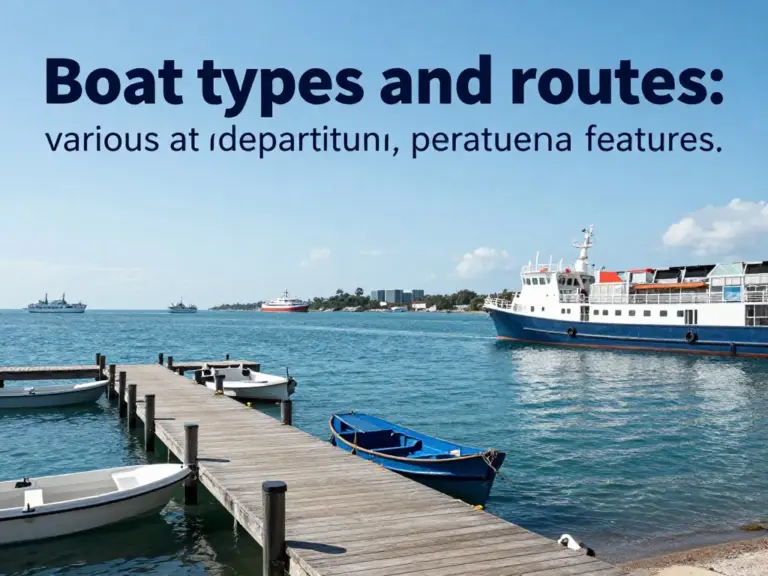
For shorter distances, Fast Boats (speedboats) are the preferred choice for tourists. These are commonly found on the route between Bali and the Gili Islands or Nusa Penida. They offer enclosed seating and significantly reduced travel times compared to traditional ferries. For budget-conscious travelers or those moving between major islands like Java and Sumatra, the PELNI Ferries provide a massive network of multi-deck passenger ships that serve as the backbone of national maritime transport.
Major Departure Points and Hubs
Navigating Boat Options and Routing requires knowledge of the primary maritime hubs. In Bali, Sanur and Padang Bai are the busiest ports for tourist departures. Sanur is the gateway to Nusa Lembongan and Nusa Penida, while Padang Bai serves as the main link to Lombok and the Gili Islands. In the east, Labuan Bajo has transformed from a quiet fishing village into a bustling port for those exploring the Komodo archipelago.
- Benoa Harbor (Bali): Hub for luxury cruises and international arrivals.
- Sorong (West Papua): The primary entry point for Raja Ampat expeditions.
- Jepara (Central Java): Departure point for the pristine Karimunjawa Islands.
- Pelabuhan Ratu (West Java): Known for surfing charters and coastal exploration.
Travel Times and Popular Sea Routes
When planning your itinerary, understanding travel times is crucial. Distances in Indonesia can be deceptive due to currents and sea states. Below is a breakdown of common routes and their estimated durations using standard vessel types.
| Route | Vessel Type | Estimated Time |
|---|---|---|
| Sanur to Nusa Penida | Fast Boat | 30 – 45 Minutes |
| Padang Bai to Gili Trawangan | Fast Boat | 1.5 – 2 Hours |
| Labuan Bajo to Komodo Island | Slow Boat (Wooden) | 3 – 4 Hours |
| Bali to Lombok | Public Ferry | 4 – 6 Hours |
| Sorong to Misool (Raja Ampat) | Express Ferry | 4 – 5 Hours |
Safety and efficiency in Indonesian waters depend on several navigational factors. The Indonesian Throughflow (ITF) creates powerful currents that move water from the Pacific to the Indian Ocean. These currents can reach up to 8 knots in narrow straits, such as the Lombok Strait, affecting travel times and fuel consumption. Navigators must also be wary of the shallow coral reefs that surround many islands, requiring modern GPS and local knowledge to avoid grounding.
Weather is another major factor. The Northwest Monsoon (December to March) often brings heavy rain and rough seas, which can lead to port closures and flight cancellations. Conversely, the Southeast Monsoon (June to September) offers drier weather but can bring stronger winds. Always verify that your chosen vessel carries valid safety certifications and life-saving equipment, as standards can vary between operators.
คำถามที่พบบ่อย (FAQ)
References
- Wonderful Indonesia Official Tourism Portal
- PT PELNI (Persero) – National Shipping Company
- BMKG – Indonesian Agency for Meteorology, Climatology and Geophysics
- Trekking the Anak Krakatau Islands: Essential Boat Logistics, Safety Risks, and Planning Tips for Adventurers
- Preparing Your Trip: Permits, Best Seasons, and Reliable Tour Operators for Anak Krakatau Excursions
- On-Board Safety and Emergency Preparedness: Life Jackets, Communication Equipment, Evacuation Plans, and Crew Qualifications