How to Participate Respectfully: Steps, Rituals, and Behavior During Temple Ceremonies
Visiting a temple during a ceremony is one of the most profound cultural experiences you can have while exploring Indonesia. Whether it is the grand Odalan in Bali or a quiet ritual in Java, understanding how to engage with these sacred events respectfully is crucial for any traveler.
Understanding the Significance of Temple Ceremonies
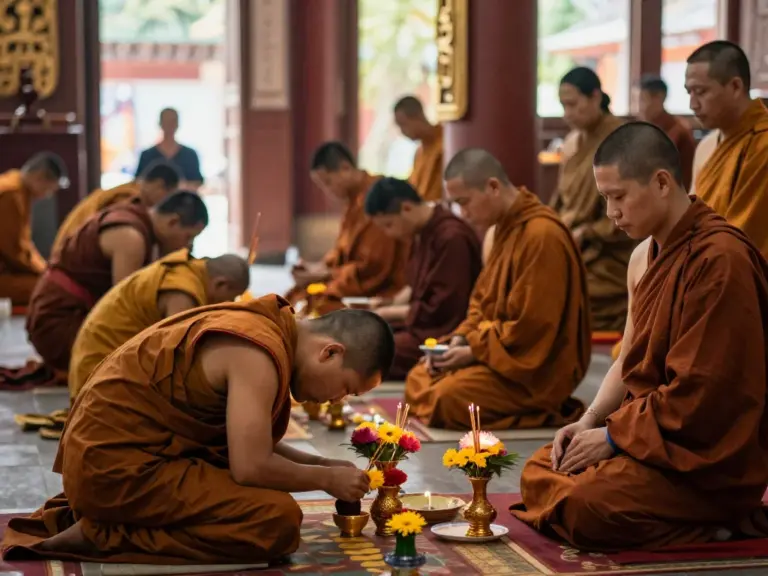
Temple ceremonies in Indonesia, particularly in Hindu-Buddhist traditions, are not merely performances; they are vital spiritual connections between the community and the divine. These rituals often involve music, dance, and intricate offerings (Canang Sari). As a visitor, you are a guest in a house of worship. Approaching these events with the right mindset ensures that the sanctity of the ritual remains undisturbed while allowing you to witness the beauty of Indonesian heritage.
Essential Dress Code and Preparation
Before stepping foot into the temple grounds, your preparation begins with your attire. Proper dress is the first sign of respect. For most temple ceremonies in Indonesia, both men and women are required to wear a sarong and a waist sash (temple scarf). Your shoulders should be covered, and clothing should be modest. If you do not have your own, many major temples provide rentals at the entrance. Furthermore, ensure you are in a state of ‘cleanliness’—spiritually and physically—as many temples forbid entry to those with open wounds or women during menstruation, based on local customs.
Steps to Enter and Behave During the Ritual
When you arrive, follow these steps to ensure a respectful presence:
- Walk Mindfully: Avoid walking in front of people who are praying or sitting on the ground.
- Keep Your Head Lower: It is considered disrespectful to have your head higher than the priest (Pedanda) or the offerings. If everyone is sitting, you should sit too.
- Maintain Silence: Keep conversations to a minimum and speak in whispers. The focus should be on the rhythmic chanting and the gamelan music.
- Photography Etiquette: Never use flash photography. Do not stand directly in front of the priest or the main altar to take a photo. Always ask for permission if you want to take a close-up portrait of a participant.
Common Rituals You May Witness
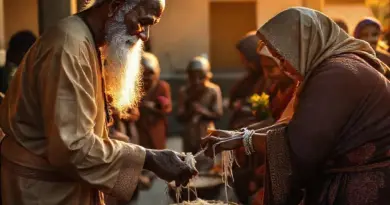
During the ceremony, you might see the ‘Pemercikan Air Suci’ (sprinkling of holy water) or the ‘Bija’ (placing of holy rice on the forehead). While tourists are often invited to observe, you should only participate in the actual prayer if you are invited by a local or if you are a practitioner. If you are offered holy water, cup your right hand over your left to receive it. If offered rice, take a few grains and press them onto your forehead or temples as a sign of receiving the blessing.
| Do’s | Don’ts |
|---|---|
| Wear a sarong and sash | Point your feet toward the altar |
| Stay quiet and seated | Step over offerings on the ground |
| Keep your head lower than the priest | Touch the heads of locals or children |
คำถามที่พบบ่อย (FAQ)
Can I attend a temple ceremony if I am not Hindu or Buddhist?
Yes, most temples in Indonesia welcome visitors of all faiths to observe their ceremonies, provided they follow the dress code and behavioral guidelines.
What should I do if I accidentally step on an offering?
Don’t panic, but be more careful. If you notice it, a small nod of apology to any nearby local is appropriate. Offerings (Canang Sari) are placed on the ground specifically for spirits, so try to watch your step constantly.
Is it okay to take videos during the prayer?
Generally, yes, but from a distance. Use a zoom lens rather than moving closer. Avoid blocking the view of participants and never use artificial lighting or drones unless specifically permitted.
Do I need to pay to enter a temple ceremony?
While some temples have a standard entrance fee for tourists, ceremonies themselves are religious events. It is customary to provide a small donation (punia) in a donation box if you are staying to watch the ritual.