Traditional Dance Performances in Ubud: Where to Watch, Performance Types (Legong, Barong, Kecak) and Cultural Etiquette
Ubud is widely recognized as the cultural heartbeat of Bali, a place where ancient traditions breathe through the daily lives of its people. Among the most captivating experiences for any visitor are the Traditional Dance Performances in Ubud. These dances are not merely entertainment; they are profound spiritual expressions, storytelling devices, and a testament to the island’s rich artistic heritage.
The Core Performance Types: Legong, Barong, and Kecak
To truly appreciate the artistry, one must understand the distinct styles of Balinese dance. Each performance offers a unique narrative and visual language.
1. Legong Dance: The Dance of Virgins
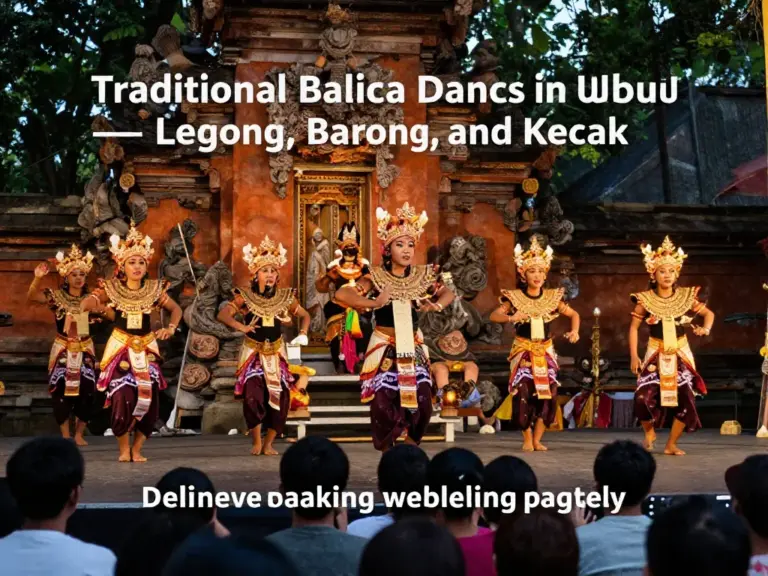
Legong is perhaps the most refined of Balinese dances, characterized by intricate finger movements, complicated footwork, and expressive facial gestures. Historically performed for royalty, it typically features young girls in gold-leafed costumes. The synchronized movements are a marvel of discipline and grace.
2. Barong Dance: The Eternal Struggle
The Barong dance depicts the classic battle between good (represented by the Barong, a lion-like creature) and evil (represented by Rangda, the demon queen). It is a vibrant, often humorous, and highly energetic performance accompanied by the rhythmic sounds of a full Gamelan orchestra.
3. Kecak Fire Dance: The Ramayana Monkey Chant
Unlike other dances, the Kecak uses no musical instruments. Instead, a chorus of 50 or more men provides the soundtrack with rhythmic “cak-cak-cak” chants. This dance tells the story of the Ramayana and often culminates in a spectacular fire dance, symbolizing the burning of Hanoman.
Where to Watch: Top Venues in Ubud
Ubud offers various atmospheric settings for these cultural displays. Choosing the right venue can enhance your experience significantly.
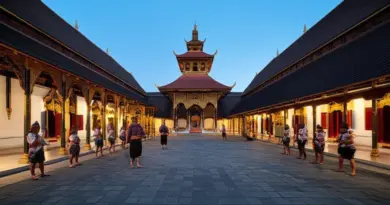
- Ubud Palace (Puri Saren Agung): The most iconic venue, located in the center of town. It hosts nightly performances against the backdrop of traditional Balinese architecture.
- Pura Dalem Taman Kaja: Known for its incredible Kecak performances, this temple provides a mystical and authentic atmosphere.
- Pura Saraswati: Famous for its lotus pond, this temple hosts dance shows that offer stunning photographic opportunities.
Cultural Etiquette: Respecting the Tradition
When attending Traditional Dance Performances in Ubud, it is vital to remember that these are often sacred rituals. Following proper etiquette ensures a respectful experience for both the performers and the local community.
| Action | Etiquette Guideline |
|---|---|
| Dress Code | Wear a sarong and sash if the performance is inside a temple. Dress modestly elsewhere. |
| Photography | Flash photography is generally discouraged as it can distract the performers. |
| Seating | Never sit higher than the priest or the offerings if the performance is part of a ceremony. |
| Conduct | Stay seated throughout the performance and keep noise to a minimum. |
คำถามที่พบบ่อย (FAQ)
What is the best time to watch traditional dance in Ubud?
Most performances start between 7:00 PM and 7:30 PM. It is best to check the local schedule at the Ubud Tourist Information Office as times can vary slightly.
How much do tickets cost for Ubud dance performances?
Tickets typically range from 100,000 to 150,000 IDR (approximately $7 – $10 USD) per person, depending on the venue and the type of dance.
Are children allowed to attend the performances?
Yes, children are more than welcome. However, be aware that the Barong and Rangda masks can sometimes be a bit scary for very young children, and the Kecak fire dance involves heat.
Do I need to book tickets in advance?
For the Ubud Palace, you can usually buy tickets from local vendors on the street the same day. For more exclusive or smaller venues, booking a day in advance is recommended.
References
Wonderful Indonesia – Ubud Official Guide
Bali.com – Guide to Balinese Dance
- Ubud for Art Lovers: Ultimate Guide to Museums, Dance Performances, and Artist Villages
- Best Museums and Galleries in Ubud: What to See, Opening Hours, and Ticket Tips for Art Enthusiasts
- Exploring Ubud’s Artist Villages: Penestanan, Mas, Celuk and Beyond — Workshops, Studio Visits, and Local Artisans