What to expect on a guided tour: typical itineraries, required gear, accessibility, and wildlife-watching tips
Embarking on a guided tour in Indonesia is one of the most rewarding ways to explore the archipelago’s diverse landscapes. Whether you are trekking through the lush jungles of Sumatra or exploring the ancient temples of Yogyakarta, a professional guide provides context, safety, and local insight that you simply cannot get on your own. In this guide, we will break down what you can expect regarding itineraries, equipment, and how to maximize your wildlife encounters.
Typical Itineraries for an Indonesia Guided Tour
Most guided tours in Indonesia are designed to balance adventure with cultural immersion. A typical 3-to-5-day itinerary often includes a mix of early morning starts to catch the sunrise—such as at Mount Bromo or Borobudur—followed by afternoon cultural workshops or nature walks. In regions like Komodo National Park, itineraries are often water-based, involving island hopping and snorkeling stops. Your guide will handle all logistics, including transportation between sites and local permits, allowing you to focus entirely on the experience.
Required Gear and Packing Essentials
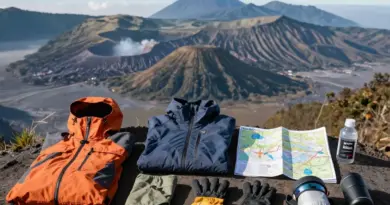
Preparation is key to enjoying your adventure. While your guided tour operator may provide heavy equipment (like tents or snorkeling gear), personal essentials are your responsibility. We recommend the following:
- Footwear: Sturdy, broken-in hiking boots for jungle treks or comfortable walking shoes for temple tours.
- Clothing: Moisture-wicking fabrics are essential for the tropical humidity. Don’t forget a light jacket for high-altitude areas.
- Protection: Biodegradable sunscreen, high-DEET insect repellent, and a wide-brimmed hat.
- Personal Meds: A basic first-aid kit and any specific prescriptions.
Accessibility and Physical Requirements
Accessibility varies widely across Indonesia. While major cities and sites like Bali offer more accessible facilities, remote jungle tours or volcanic climbs require a moderate to high level of physical fitness. Most guided tour descriptions will specify a ‘difficulty level.’ If you have mobility concerns, it is crucial to communicate these with your tour provider in advance; many operators can customize private tours with accessible vehicles and modified routes to ensure everyone can enjoy the beauty of Indonesia.
Wildlife-Watching Tips for Success
Indonesia is a biodiversity hotspot. To get the most out of wildlife-watching on your guided tour, follow these expert tips:
1. Patience is Virtue: Wildlife doesn’t run on a schedule. Be prepared to wait quietly.
2. Listen to Your Guide: They are trained to spot camouflaged animals and understand behavioral cues.
3. Keep Your Distance: For your safety and the welfare of the animals (especially Orangutans and Komodo Dragons), always maintain the distance recommended by your guide.
4. Optical Gear: Bring a good pair of binoculars and a camera with a decent zoom lens, as animals may be high in the canopy.
| Region | Primary Wildlife | Best Time to Visit |
|---|---|---|
| Sumatra/Borneo | Orangutans | June – September |
| Komodo Island | Komodo Dragons | April – December |
| West Bali | Bali Starling | Year-round |
คำถามที่พบบ่อย (FAQ)
What is the average group size for a guided tour?
Are meals included in the tour package?
Do I need to tip my guide?
References
- Mangrove and Wetland Tours Near Jakarta: Best Quiet Birding Spots, What to Expect, and How to Plan Your Trip
- Why choose mangrove and wetland tours near Jakarta? Understanding birding without the crowds and who these tours are for
- Top mangrove and wetland birding sites within easy reach of Jakarta: habitats, target species, and best seasons