Staying Safe and Healthy: Personal Safety Tips, Local Customs, Transportation, and Emergency Contacts
- Staying Safe and Healthy: Personal Safety Tips, Local Customs, Transportation, and Emergency Contacts
Welcome to the archipelago of Indonesia, a land of vibrant cultures, breathtaking landscapes, and unparalleled hospitality. To ensure your adventure through Bali, Java, Lombok, and beyond is nothing short of spectacular, understanding the nuances of personal safety, respecting local customs, navigating transportation wisely, and knowing your emergency contacts is paramount. Mastering these elements is the key to a seamless and enriching journey, making comprehensive Indonesia travel safety preparation a top priority for every visitor.
Essential Personal Safety Tips for Travelers
While Indonesia is generally safe for tourists, common sense and awareness are your best defenses against petty crime. Being proactive, rather than reactive, is the cornerstone of safe travel in any foreign destination.
1. Protecting Valuables and Documents
The most common issues travelers face involve minor theft. Always keep copies of vital documents (passport, visa, insurance) stored securely online and separate from the originals. Use hotel safes for passports and excess cash. When out, avoid flashing expensive jewelry or electronics. A cross-body bag worn in front of you is significantly safer than a backpack in crowded markets or on busy streets.
2. Nighttime Awareness
Stick to well-lit, busy areas after dark. If you are traveling solo, especially outside major tourist hubs like Kuta or Seminyak, consider arranging transport through reputable hotel services or established ride-sharing apps rather than hailing unmarked taxis on the street late at night. Never leave drinks unattended.
Understanding and Respecting Local Customs (Etiquette)
Indonesian culture is deeply rooted in respect, hierarchy, and tradition. Showing deference to local customs is essential for positive interactions and contributes significantly to your overall Indonesia travel safety experience by fostering goodwill.
The Importance of ‘Sopan Santun’ (Politeness)
Always use your right hand when giving or receiving items, shaking hands, or eating, as the left hand is traditionally considered unclean. When greeting elders or respected individuals, a slight bow with palms together (like praying) is a sign of deep respect. Never point with your finger; use your thumb or an open hand gesture instead.
Temple Etiquette and Dress Code
When visiting Hindu temples (Pura) in Bali or mosques elsewhere, appropriate attire is mandatory. This usually means covering your shoulders and knees. Sarongs and sashes are often provided or available for rent at the entrance, but bringing your own ensures a better fit. Never step over people’s heads or point your feet directly at a person or a religious shrine.
Transportation in Indonesia can be chaotic but is part of the adventure. Prioritizing safety over the lowest price will significantly reduce travel risks.
Ride-Hailing Apps vs. Traditional Taxis
In major cities like Jakarta and tourist centers like Bali, using ride-hailing apps (such as Gojek or Grab) is highly recommended. They offer transparent pricing, GPS tracking, and verified drivers, significantly enhancing your Indonesia travel safety compared to negotiating with unknown street drivers. Always verify the license plate before entering the vehicle.
Motorbike Safety (Scooters)
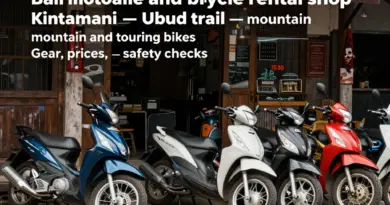
While renting a scooter offers freedom, it is statistically the riskiest mode of transport. Only rent if you are an experienced rider, possess the correct international driving permit (IDP), and wear a high-quality, properly fastened helmet. Traffic laws are frequently ignored, and Indonesian roads can be poorly maintained. Always ensure your travel insurance covers motorbike accidents.
Ferries and Inter-Island Travel
When traveling between islands, choose reputable fast-boat operators or national ferries. Avoid overloaded, unmaintained local boats, particularly during the rainy season (October to April), when sea conditions can become dangerous.
Staying Healthy: Food, Water, and Sun
Maintaining good health is crucial for enjoying your trip. Be mindful of what you consume and protect yourself from the tropical elements.
Water and Food Safety
Drink only bottled or purified water. Avoid ice unless you are certain it was made from purified water (most reputable restaurants and hotels use purified ice). When eating street food (which is highly recommended!), look for stalls that are busy with locals—high turnover means fresh ingredients. Ensure meat is cooked thoroughly. Carry hand sanitizer everywhere.
Sun Protection and Insects
The equatorial sun is intense. Use high-SPF, broad-spectrum sunscreen liberally and reapply often. Wear light, breathable clothing. Mosquitoes are active, especially at dawn and dusk. Use insect repellent containing DEET, especially if traveling to areas outside of major tourist centers, to guard against dengue fever.
Critical Emergency Contacts and Resources
Knowing who to call in a crisis is the final, vital component of your Indonesia travel safety plan. Save these numbers immediately upon arrival.
| Service | Number | Notes |
|---|---|---|
| Emergency Services (General) | 112 | The primary general emergency number. |
| Police (Polisi) | 110 | For reporting crimes. |
| Ambulance (Ambulans) | 118 or 119 | For medical emergencies. |
| Search & Rescue (Basarnas) | 166 | Crucial for remote/natural disaster situations. |
Contacting Your Embassy
Always register your trip with your home country’s embassy or consulate upon arrival. They are your primary point of contact for lost passports, serious legal issues, or major crises. Keep the local office address saved in your phone.
For a deeper dive into how to handle common travel issues in Southeast Asia, including specific safety protocols for volcanoes and diving, please watch the following resource:
คำถามที่พบบ่อย (FAQ)
Is it safe to drink tap water in Indonesia?
No. It is strongly advised that travelers only consume sealed bottled water or water that has been properly purified or boiled. Ice in reputable establishments is usually safe as it is made from purified water.
What is the best way to pay for things in tourist areas?
While cash (Indonesian Rupiah – IDR) is king, especially in markets and smaller villages, major hotels, restaurants, and large shops accept credit cards. Using local ATMs attached to major banks is the safest way to withdraw cash.
Do I need a special visa for short tourist visits?
Many nationalities can obtain a Visa On Arrival (VOA) valid for 30 days, which can sometimes be extended once. Always check the latest entry requirements for your specific nationality before departure.
Is haggling acceptable in Indonesia?
Yes, haggling (bargaining) is expected in local markets, street stalls, and for non-metered transport. However, it should always be done with a smile and good humor. Never haggle aggressively or over very small amounts, as this is considered rude.
References
- UK Government Foreign Travel Advice for Indonesia
- U.S. Department of State Travel Advisory for Indonesia
By adhering to these guidelines on personal safety, cultural sensitivity, smart transportation choices, and health precautions, you are well-equipped to enjoy the incredible diversity Indonesia has to offer. Safe travels!