Responsible Whale Shark Encounters in Nabire: Codes of Conduct, Best Season, and Ethical Visitor Guide
Embarking on Responsible Whale Shark Encounters in Nabire is a bucket-list experience for marine enthusiasts visiting West Papua, Indonesia. These gentle giants are the largest fish in the sea, and Nabire offers one of the few places on Earth where you can swim alongside them in their natural habitat. However, the surge in popularity of this destination brings a critical responsibility: ensuring that our presence does not disrupt their natural behaviors. This guide serves as your essential manual for ethical tourism in this pristine marine environment.
Understanding the Whale Shark Habitat in Nabire
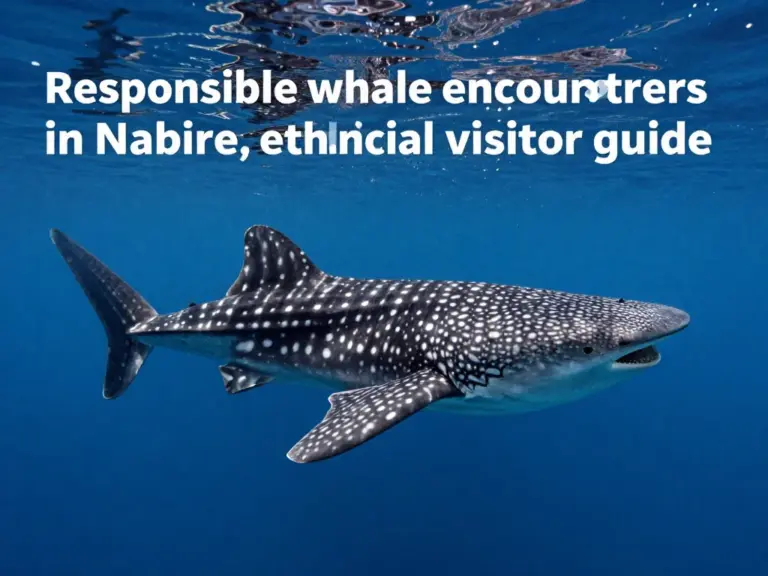
Located in Cenderawasih Bay, Nabire has become a sanctuary for whale sharks (*Rhincodon typus*). Unlike migratory populations elsewhere, the whale sharks here are often residents, frequently spotted near the traditional fishing platforms known as bagans. These platforms attract the sharks because of the small fish (ikan puri) that fall from the nets. While this interaction is mesmerizing, it is vital to remember that these are wild animals, not pets. Observing them requires patience, respect, and a commitment to conservation.
The Best Season for Encounters
Timing is everything when planning your trip. While whale sharks can be spotted year-round in Cenderawasih Bay, the optimal conditions for visibility and shark activity generally fall between August and October. During these months, the seas are generally calmer, facilitating easier boat travel to the distant bagan locations. Always check with local operators, as weather patterns in Papua can be unpredictable.
Essential Code of Conduct for Ethical Tourism
To ensure the long-term protection of these creatures, all visitors must adhere to strict guidelines. These rules are not suggestions; they are the foundation of sustainable tourism in Nabire.
- Maintain Distance: Keep at least 3 meters away from the head and 4 meters from the tail. Never touch or ride the whale sharks.
- No Flash Photography: Bright flashes can disorient the animals. Use natural light for your underwater photos.
- Avoid Sunscreen Pollution: Use only reef-safe sunscreen, or better yet, wear a rash guard to minimize chemical runoff into the water.
- Limit Group Size: Do not crowd the sharks. Allow only a few swimmers in the water at any given time.
- Follow Boat Regulations: Boats must approach slowly and turn off engines when near the sharks to prevent propeller injuries.
Why Responsible Tourism Matters
The whale shark is an endangered species. By practicing Responsible Whale Shark Encounters in Nabire, you are supporting a local economy that values the life of the animal over quick profits from mass tourism. When we prioritize the shark’s welfare, we encourage the local communities to continue protecting their marine heritage rather than engaging in harmful fishing practices. Your choice to be an ethical tourist directly contributes to the survival of the species.
คำถามที่พบบ่อย (FAQ)
Yes, whale sharks are filter feeders and are generally docile. However, they are large wild animals. Safety depends on following the instructions of your guide and maintaining a respectful distance.
No, feeding whale sharks is strictly prohibited. It alters their natural behavior and can make them dependent on humans, which is harmful to their health and survival.
Bring reef-safe sunscreen, a high-quality mask and snorkel, a rash guard, and a waterproof camera without flash. Ensure you have travel insurance that covers adventure activities.