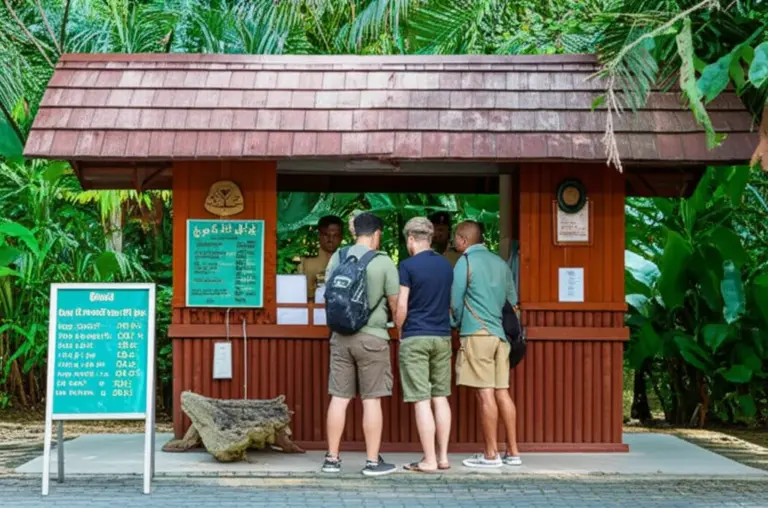
Understanding Conservation Fees and Permits: Where Fees Apply in Indonesia, How Funds Are Used, and What Travelers Should Expect
- Understanding Conservation Fees and Permits: Where Fees Apply in Indonesia, How Funds Are Used, and What Travelers Should Expect
- The Role of Indonesia Conservation Fees in Sustainable Tourism
- Where Do Travelers Encounter Conservation Fees?
- Decoding the Fee Structure: Permits and Pricing
- How Are Conservation Funds Utilized? (Ensuring Transparency and Impact)
- What Travelers Should Expect and How to Prepare
- Locating Key Conservation Areas
- คำถามที่พบบ่อย (FAQ)
Indonesia, an archipelago blessed with unparalleled biodiversity and rich cultural heritage, relies heavily on sustainable tourism to protect its natural treasures. For international visitors, understanding the system of Indonesia Conservation Fees and permits is crucial. These mandatory payments are not merely entry tickets; they are vital contributions to preserving the very destinations travelers come to enjoy. This comprehensive guide details where these fees apply, how the funds are managed, and what every traveler should prepare for to ensure an ethical and smooth journey.
The Role of Indonesia Conservation Fees in Sustainable Tourism
The concept of charging an entrance fee for natural and cultural sites is fundamental to the Indonesian government’s strategy for conservation financing. Unlike general taxes, these specific fees are earmarked to directly support the maintenance, protection, and management of the site where they are collected. By contributing these funds, tourists become active participants in sustainable development.
Why Fees are Essential for Conservation
- Funding anti-poaching patrols and wildlife monitoring programs.
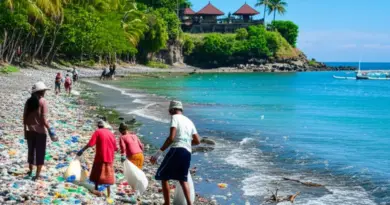
- Managing waste and controlling pollution generated by high tourist traffic.
- Supporting restoration projects, such as coral reef rehabilitation and reforestation.
- Providing sustainable livelihoods and education for local communities surrounding the protected areas.
Where Do Travelers Encounter Conservation Fees?
Conservation fees apply across three main categories of destinations in Indonesia: National Parks, major cultural sites, and increasingly, regional tourism hubs.
National Parks and Protected Areas
These are the most common locations where conservation fees are mandatory. Entrance fees are levied daily and often increase significantly on weekends and national holidays. Key examples include:
| Destination | Primary Focus | Fee Type |
|---|---|---|
| Komodo National Park | Komodo Dragon protection, Marine conservation (diving/snorkeling) | Daily Entrance Fee + Activity/Diving Permit |
| Bromo Tengger Semeru National Park | Volcanic landscape management, Tengger cultural preservation | Daily Entrance Fee |
| Ujung Kulon National Park | Javan Rhinoceros sanctuary | Daily Entrance Fee |
| Tanjung Puting National Park (Kalimantan) | Orangutan rehabilitation | Daily Entrance Fee + Guide Fee |
Cultural and Historical Sites
Major UNESCO World Heritage Sites often impose conservation fees to fund maintenance, restoration, and archaeological research. The most prominent examples are the Buddhist temple of Borobudur and the Hindu temple complex of Prambanan, both near Yogyakarta.
Regional Tourism Levies (Bali Tourism Tax)
Beyond specific sites, some regional governments have introduced broad tourism taxes aimed at environmental and cultural preservation across the entire island or region. The Bali Tourism Tax is a recent example, requiring international visitors to pay a one-time levy upon arrival. This fund is explicitly dedicated to environmental protection and cultural enhancement programs across Bali.
Decoding the Fee Structure: Permits and Pricing
The fee structure in Indonesia is typically multi-tiered, reflecting both the operational costs and the principle of equity in pricing.
Variable Pricing for Foreign vs. Local Tourists
A standard practice across Indonesia is the differential pricing system (often called ‘dual pricing’). Foreign tourists generally pay a significantly higher fee than Indonesian citizens. This is justified by the higher economic capacity of international travelers and ensures that the core costs of conservation are largely subsidized by the international tourism market.
Specific Activity Permits
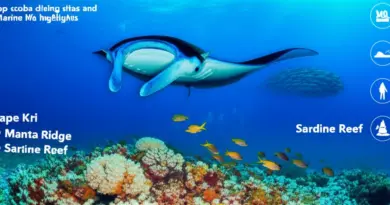
In areas like Komodo National Park or Raja Ampat, travelers engaging in specific high-impact activities such as scuba diving, snorkeling, or multi-day trekking require additional permits on top of the standard entrance fee. These permits often cover specialized monitoring and rescue services.
How Are Conservation Funds Utilized? (Ensuring Transparency and Impact)
The efficacy of Indonesia Conservation Fees rests on transparent and effective fund utilization. While exact allocations vary by region, the funds generally fall into three critical areas:
Protecting Biodiversity and Habitats
A substantial portion of the revenue directly finances field operations. This includes hiring and equipping park rangers, funding scientific research on endangered species (like the Javan rhino or orangutan), and establishing protected zones for critical habitats, such as marine sanctuaries.
Infrastructure Development and Maintenance
To manage visitor flow and minimize environmental damage, fees are used to build and maintain essential infrastructure, including designated viewing platforms, clearly marked trails, visitor centers, and waste treatment facilities. This ensures that tourism remains concentrated in manageable zones.
Supporting Local Communities and Education
Conservation success hinges on local support. Fees often subsidize community development projects, training local guides, and funding environmental education programs for residents, turning potential conflicts over land use into collaborative conservation efforts.
What Travelers Should Expect and How to Prepare
Preparation is key to avoiding delays or unexpected costs during your trip.
Payment Methods and Documentation
While major sites increasingly accept credit cards, many remote national park entrances only accept cash (Indonesian Rupiah). Always carry sufficient local currency. You will need to show your passport or a copy of your passport for proof of identification when purchasing permits.
Ethical Tourism Practices
By paying the required fees, travelers fulfill their financial obligation. However, ethical tourism extends beyond payment. Always adhere to park regulations, hire certified local guides, do not feed wildlife, and practice Leave No Trace principles.
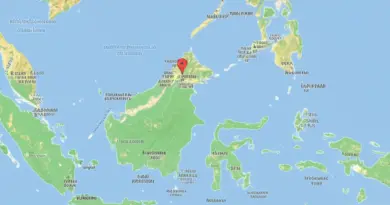
Locating Key Conservation Areas
Many of Indonesia’s most fee-dependent conservation areas are located in remote regions, emphasizing the need for structured funding.
คำถามที่พบบ่อย (FAQ)
Are the conservation fees the same for all national parks in Indonesia?
No. Fees vary significantly based on the park’s classification, popularity, required infrastructure, and the specific conservation needs of the area. Highly protected or famous parks like Komodo National Park typically have higher fees than less-visited parks.
Is the Bali Tourism Tax mandatory for all international visitors?
Yes, the Bali Tourism Tax (or levy) is mandatory for all international tourists arriving in Bali, regardless of their entry port. It is a one-time fee intended to fund cultural preservation and environmental protection efforts across the island.
Can I pay the conservation fees using a credit card?
While major tourist sites and online booking portals increasingly accept credit cards, many remote national park entrances or smaller cultural sites still operate on a cash-only basis (Indonesian Rupiah). Always carry enough cash to cover the fees for the day.
Are there different fees for diving versus simple entry into a marine park?
Yes, almost always. Marine protected areas typically charge a basic entrance fee, but high-impact activities like diving, snorkeling, or filming often require a separate, higher activity permit (often called a retribution fee) to cover specialized monitoring and infrastructure wear-and-tear.
References
Official Website of the Ministry of Tourism and Creative Economy, Republic of Indonesia
UNESCO World Heritage Centre Documentation on Indonesian Sites
- Protecting Coral Reefs in Indonesia: Snorkeling Best Practices, Conservation Fees, and How Tourists Can Help
- Why Coral Reefs in Indonesia Matter: Ecosystem Services, Biodiversity Hotspots, and Threats from Tourism and Climate Change
- How to Snorkel Responsibly in Indonesia: Best Practices, Gear Choices, and Codes of Conduct to Prevent Reef Damage