What Makes Whale Shark Encounters in Nabire Responsible and Sustainable?
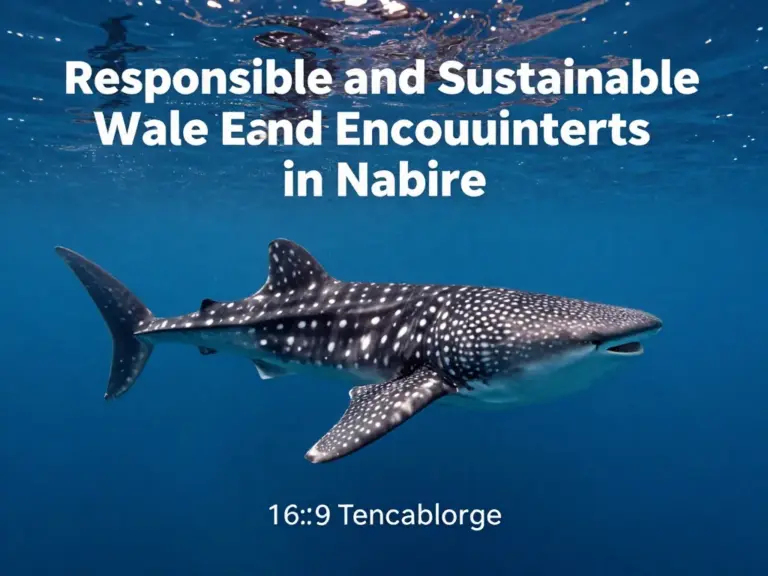
When travelers seek out the gentle giants of the ocean, the Cenderawasih Bay in Papua, specifically the waters of Nabire, stands out as a premier destination. Whale shark encounters in Nabire have gained international acclaim not only for the breathtaking proximity to these majestic creatures but also for the concerted efforts to ensure these interactions remain responsible and sustainable. As tourism grows, the local community and conservationists have implemented strict guidelines to protect the whale sharks and their habitat.
The Role of Local Fishermen in Conservation
The sustainability of whale shark tourism in Nabire is deeply rooted in the traditional practices of local fishermen. For generations, fishermen in the Kwatisore area have viewed whale sharks as good omens. They believe that these creatures bring good luck and bountiful catches. Consequently, when fishermen find whale sharks lingering near their bagans (floating fishing platforms), they often share a portion of their catch—small baitfish—with the sharks. This symbiotic relationship has evolved into a managed tourism model where the sharks are not chased or stressed, but rather attracted naturally by the presence of the fishing platforms.
Strict Guidelines for Ethical Encounters
To ensure whale shark encounters in Nabire remain ethical, the local government and tourism boards have established rigorous protocols for visitors. These guidelines are designed to minimize human impact on the animals’ natural behavior:
- No Touching: Physical contact with whale sharks is strictly prohibited to prevent the transmission of bacteria and to avoid stressing the animals.
- Maintaining Distance: Swimmers and divers must maintain a distance of at least two to three meters from the whale shark’s body and at least four meters from the tail.
- No Flash Photography: Bright flashes can disorient the sharks and are banned during underwater photography.
- Regulated Boat Traffic: Boat captains are trained to approach the sharks slowly and cut engines to prevent propeller injuries.
Community-Based Tourism Management
Unlike mass tourism models that often prioritize profit over ecological health, Nabire employs a community-based tourism approach. The local community directly manages the entry points and the boat services, ensuring that the economic benefits of tourism are distributed locally. This provides an incentive for the community to protect the whale sharks, as they are now seen as a long-term economic asset rather than just a byproduct of fishing. By keeping the number of visitors per boat limited, the local authorities prevent overcrowding, which is a common issue in other whale shark tourism hotspots globally.
| Factor | Sustainability Impact |
|---|---|
| Community Involvement | Ensures local protection and stewardship. |
| Natural Baiting | Minimizes artificial feeding and behavioral disruption. |
| Visitor Caps | Reduces stress on the marine environment. |
คำถามที่พบบ่อย (FAQ)
Here are the most common questions regarding sustainable tourism in this region:
- Is it safe to swim with whale sharks in Nabire? Yes, when following the guidance of professional local guides, it is safe. Whale sharks are filter feeders and are generally docile, but respecting their space is mandatory.
- What is the best time of year to visit Nabire for whale sharks? Whale sharks are resident in Cenderawasih Bay year-round, making it a reliable destination regardless of the season.
- Why are whale sharks in Nabire different from others? They are unique because they are closely associated with the bagans (fishing platforms) and have developed a non-migratory habit in this specific area, allowing for consistent sightings.