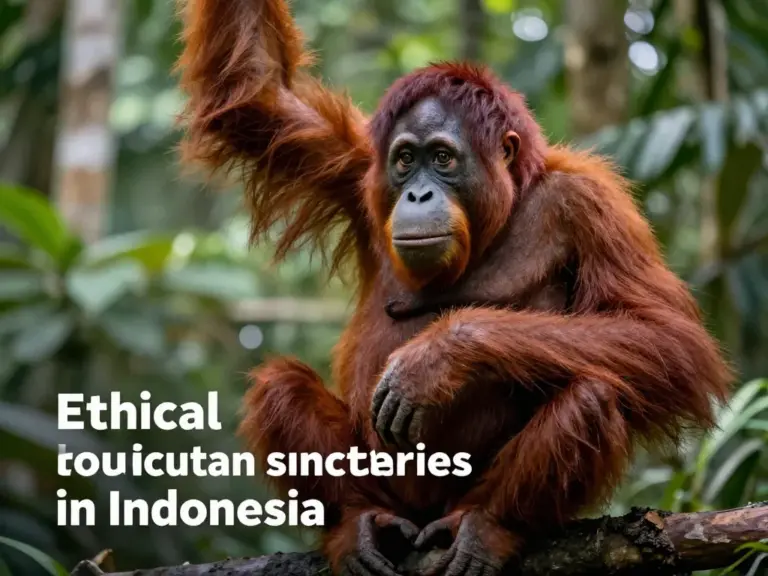
Where Can You See Ethical Orangutan Sanctuaries in Indonesia?
If you are planning a trip to the Indonesian archipelago, witnessing the majestic orangutan in its natural habitat is often at the top of every traveler’s bucket list. However, it is vital to approach this experience with responsibility. Finding ethical orangutan sanctuaries in Indonesia is not just about getting the perfect photograph; it is about ensuring that your visit supports conservation, rehabilitation, and the welfare of these critically endangered great apes.
The rapid loss of rainforest habitat due to palm oil plantations and illegal logging has left wild orangutan populations vulnerable. Consequently, rehabilitation centers have become essential refuges. Below, we explore the most reputable locations where you can observe these incredible creatures while adhering to strict ethical guidelines.
Top Ethical Orangutan Sanctuaries in Indonesia
When searching for ethical encounters, prioritize centers that focus on rehabilitation for release rather than entertainment. These centers are typically located in Kalimantan (Indonesian Borneo) and Sumatra.
1. Tanjung Puting National Park, Central Kalimantan
Tanjung Puting is perhaps the most famous destination for responsible orangutan tourism. Camp Leakey, established by Dr. Biruté Galdikas, is a world-renowned research and rehabilitation center. Visitors can take a multi-day journey on a klotok (traditional wooden riverboat) through the Sekonyer River. You will see semi-wild orangutans coming to feeding platforms.
Why it is ethical: The focus remains on research and habitat preservation. Interactions are strictly non-contact, and the animals are encouraged to remain wild, with the long-term goal of full independence in the forest.
2. Bukit Lawang, North Sumatra
Located in the Gunung Leuser National Park, Bukit Lawang offers a rugged and immersive experience. While the rehabilitation center there has shifted its focus over the years, the area remains a prime spot for trekking to see wild orangutans in their natural canopy.
Responsible travel tip: Always hire a certified local guide who is trained in wildlife conservation ethics. Never feed the animals or attempt to touch them, as human contact can transmit diseases that are fatal to orangutans.
3. Samboja Lestari, East Kalimantan
Managed by the Borneo Orangutan Survival (BOS) Foundation, Samboja Lestari is a massive reforestation project. While not a traditional “zoo,” they offer educational tours that explain the complexity of reintroducing orangutans back into the wild. This center is ideal for travelers who want to dive deeper into the conservation science behind the rehabilitation process.
How to Ensure Your Visit is Ethical
| Checklist for Travelers | Action |
|---|---|
| Distance | Maintain a minimum distance of 10 meters at all times. |
| Feeding | Never offer human food; it disrupts their natural diet and behavior. |
| Photography | Turn off flash; it can agitate or confuse the animals. |
| Health | Do not visit if you are feeling ill, as orangutans are susceptible to human viruses. |
By choosing to visit these recognized centers, you are directly contributing to the funds needed for anti-poaching patrols, veterinary care, and the restoration of degraded rainforests. Your presence as a conscious tourist is a powerful tool for conservation.
FAQ (Frequently Asked Questions)
Is it safe to visit orangutan sanctuaries?
Yes, provided you follow the rules set by the park rangers and guides. Ethical sanctuaries prioritize safety for both the humans and the animals by keeping distance and minimizing contact.
What is the best time of year to visit?
The dry season (May to September) is generally considered the best time to see orangutans, as the trails are less muddy and the animals are more active near the riverbanks.
Should I bring food for the orangutans?
Absolutely not. Feeding wild or semi-wild orangutans is strictly prohibited as it creates dependency and can lead to aggressive behavior.