Agroforestry Tours in Bali: Explore Cacao, Coffee, and Community Farms for Sustainable Travel Experiences
Bali is often celebrated for its pristine beaches and vibrant nightlife, but a deeper, more sustainable side of the island awaits those willing to venture into its lush interior. Agroforestry Tours in Bali offer a unique window into the heart of Balinese agriculture, where ancient wisdom meets modern sustainability. These tours allow travelers to explore cacao plantations, coffee forests, and community-led farms that prioritize ecological health over industrial output. By participating in these experiences, you aren’t just a tourist; you become a supporter of regenerative practices that protect Bali’s delicate ecosystem for future generations.
The Magic of Balinese Cacao and Coffee Forests
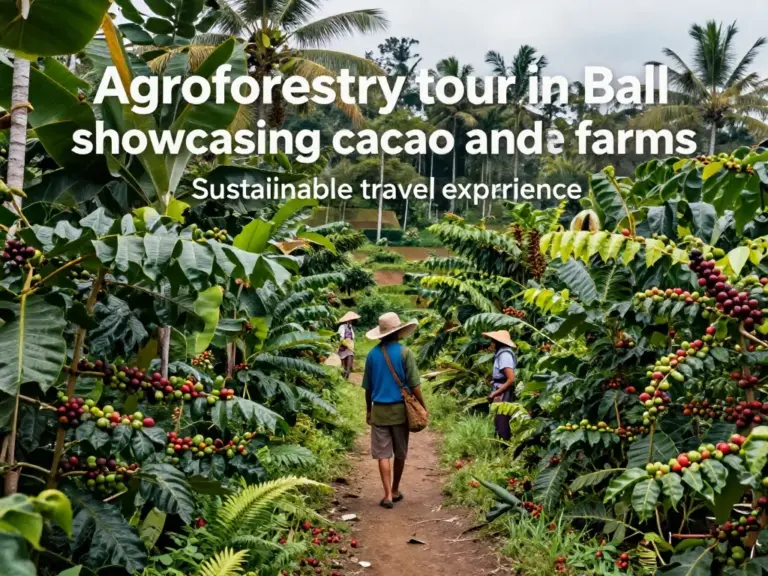
When you step into a Balinese agroforestry farm, the first thing you notice is the diversity. Unlike the monoculture plantations found elsewhere, these farms are a riot of colors and scents. Tall shade trees provide a canopy for delicate cacao trees, while coffee bushes thrive in the dappled sunlight below. This layered approach is the hallmark of Agroforestry Tours in Bali. Visitors can witness the bean-to-bar process of chocolate making or the traditional roasting of Bali’s famous Kintamani coffee. The flavor profiles are distinct because the plants absorb the essence of the surrounding fruit trees, such as mangosteen and durian, which are often interplanted with the cash crops.
Community Farms: The Heart of Sustainable Travel
Sustainability in Bali is deeply rooted in the philosophy of ‘Tri Hita Karana’—the three causes of prosperity: harmony with God, harmony among people, and harmony with nature. Community-led agroforestry projects embody this philosophy. By visiting these farms, travelers directly contribute to the local economy, ensuring that small-scale farmers can maintain their traditional way of life without succumbing to the pressures of mass tourism development. These farms often serve as educational hubs, teaching both locals and visitors about organic composting, natural pest management, and the importance of biodiversity.
| Feature | Traditional Farming | Agroforestry (Sustainable) |
|---|---|---|
| Biodiversity | Low (Single Crop) | High (Multiple Species) |
| Soil Health | Relies on Chemicals | Natural Regeneration |
| Economic Impact | Market Dependent | Diverse Income Streams |
Why Choose Agroforestry Tours for Your Next Trip?
Choosing Agroforestry Tours in Bali is a conscious decision to travel better. These tours offer a sensory experience that goes beyond sightseeing. You get to get your hands dirty, taste raw cacao pulp, smell fresh coffee blossoms, and listen to the stories of the people who tend the land. It is an immersive way to understand the challenges of climate change and the solutions being implemented on the ground. Furthermore, these tours often include traditional Balinese lunches prepared with ingredients harvested directly from the farm, offering a true ‘farm-to-table’ experience that is as delicious as it is ethical.
คำถามที่พบบ่อย (FAQ)
Q: What should I wear on an agroforestry tour?
A: It is best to wear comfortable walking shoes with good grip, as farm paths can be uneven or muddy. Light, breathable clothing and a hat are also recommended to stay cool in the tropical climate.
Q: Are these tours suitable for children?
A: Yes! Most agroforestry tours are very family-friendly and offer a wonderful educational experience for children to learn where their food comes from.
Q: Can I buy products directly from the farms?
A: Absolutely. Most community farms have small shops where you can purchase organic coffee, cacao nibs, and handmade crafts, with the proceeds going directly back to the community.
Q: How do these tours support sustainable travel?
A: They promote land conservation, reduce carbon footprints by avoiding industrial farming, and provide ethical livelihoods for local Balinese families.
References
- Why choose agroforestry tours in Bali? Benefits of cacao, coffee & community-led farm visits for eco-conscious travelers
- What to expect on a Bali cacao and coffee agroforestry tour: typical itineraries, hands-on activities, and cultural immersion
- How agroforestry supports Bali’s communities and ecosystems: sustainable farming practices, fair trade, and biodiversity conservation