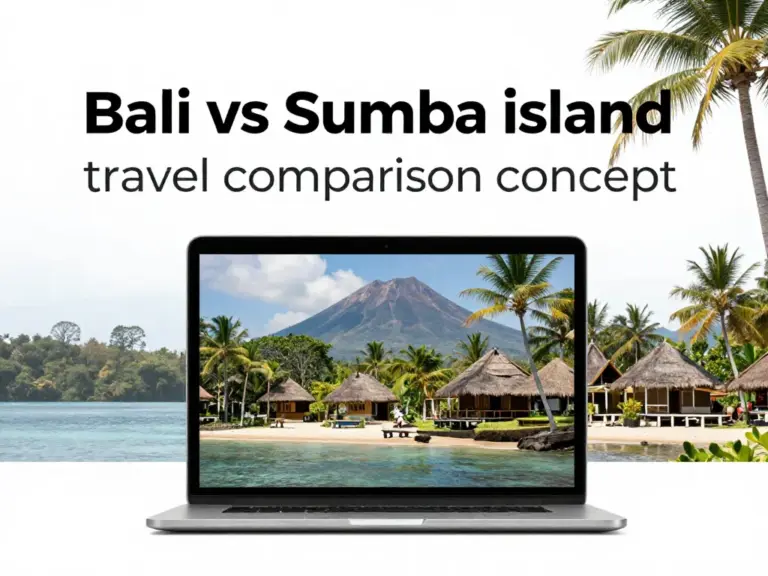
Bali vs Sumba: Which Island Is the Better Fit for Your Trip?
Planning a trip to Indonesia often begins with the most famous destination of all: Bali. However, as travelers seek more untouched, rugged, and authentic experiences, the conversation surrounding Bali vs Sumba has gained significant traction. While Bali is the undisputed king of tourism in the archipelago, offering refined luxury, vibrant nightlife, and accessible culture, Sumba offers a raw, dramatic landscape that feels like stepping back in time. Choosing between them isn’t about which island is ‘better’ in an objective sense; it is entirely about aligning the destination with the type of travel experience you crave.
Understanding the Bali Experience
Bali is a destination that truly has something for everyone. It is highly developed, making it incredibly easy to navigate for first-time visitors to Indonesia. The island is famous for its lush rice terraces, world-class surfing, spiritual retreats, and a hospitality infrastructure that is arguably the best in Southeast Asia. Whether you are a digital nomad looking for a co-working space in Canggu, a family seeking a resort in Nusa Dua, or a couple wanting a romantic escape in Ubud, Bali delivers consistency and comfort.
Key Advantages of Bali
- Infrastructure: Extensive road networks, reliable transportation apps, and a high density of cafes, restaurants, and accommodation options.
- Cultural Accessibility: Balinese culture is visible everywhere, with temples, daily offerings, and traditional dance performances easily accessible to tourists.
- Connectivity: The international airport (DPS) receives flights from all over the world, making it a convenient hub.
The Raw Appeal of Sumba
If Bali is the polished gem, Sumba is the uncut diamond. Located to the east, Sumba is significantly larger and far less developed. The landscape here is defined by rolling savannahs, limestone hills, and some of the most pristine, empty beaches you will find anywhere in the world. Sumba is not for the traveler who wants a resort on every corner; it is for the explorer who wants to witness ancient megalithic traditions, untouched waterfalls, and a slower, more deliberate pace of life.
Why Choose Sumba?
- Authenticity: Sumba remains deeply rooted in the Marapu religion, with traditional villages featuring iconic high-pitched thatched roofs that have remained unchanged for centuries.
- Adventure: From trekking to hidden waterfalls like Lapopu to surfing world-class breaks without the crowds, Sumba is an adventure playground.
- Exclusivity: You can visit major attractions and often be the only tourist there, providing a level of solitude that is nearly impossible to find in Bali.
Comparative Overview: Bali vs Sumba
To help you make an informed decision, the following table breaks down the core differences between the two islands across key travel metrics.
| Feature | Bali | Sumba |
|---|---|---|
| Tourism Development | High; very commercialized | Low; rugged and emerging |
| Accessibility | Excellent; international airport | Limited; requires domestic flights |
| Cost | Variable (Budget to Ultra-Luxury) | Generally higher (due to logistics) |
| Best For | Socializing, surfing, wellness, family | Off-the-beaten-path, culture, solitude |
| Infrastructure | Well-paved roads, abundant WiFi | Challenging; requires a private driver |
Logistics and Practical Considerations
When comparing Bali vs Sumba, logistics play a massive role in the final decision. In Bali, you can rent a scooter for a few dollars a day and explore independently. In Sumba, this approach is rarely recommended. The distances are vast, the roads can be rough, and signage is sparse. Most travelers to Sumba hire a private guide and driver for the duration of their trip, which increases the daily cost but ensures safety and efficient navigation.
Travel Checklist for Your Choice
- Choose Bali if: You want a hassle-free vacation, love vibrant dining scenes, need high-speed internet for work, or are traveling with young children.
- Choose Sumba if: You are an experienced traveler seeking a unique cultural experience, you are comfortable with limited amenities, and you prioritize nature and quiet over nightlife.
- Consider a Hybrid Trip: Many travelers spend a week in Bali for the convenience and culture, then take a short flight to Sumba for a 3-4 day ‘adventure’ excursion to get the best of both worlds.
The Cultural Factor
The cultural experience in Bali is highly visible and integrated into the tourism industry. You will be invited to see Barong dances and explore temples like Uluwatu or Tanah Lot. While beautiful, it can sometimes feel ‘packaged.’ In Sumba, culture is lived, not performed. The Marapu rituals, the intricate ikat weaving traditions, and the megalithic stone tombs found in local villages provide a more visceral, historical connection. It is a place where you observe local life rather than just consuming a tourism product.
Frequently Asked Questions (FAQ)
Is Sumba safe for tourists compared to Bali?
Yes, Sumba is generally safe for tourists. However, it requires more ‘traveler savvy’ than Bali. Since there is less infrastructure, you are more dependent on your guide and local connections. Always respect local customs, especially when visiting traditional villages.
Do I need a lot of money to visit Sumba?
Sumba can be more expensive than Bali on a day-to-day basis because you almost certainly need a private driver and guide, whereas in Bali you can be very budget-conscious. However, the cost of entry-level accommodation in Sumba is rising as the island gains popularity.
When is the best time to visit Sumba?
The best time to visit Sumba is during the dry season, from April to October. This ensures easier travel on the roads and better conditions for visiting waterfalls and beaches. If you visit during the rainy season, some roads may become impassable.
Can I surf in Sumba?
Absolutely. Sumba is famous for ‘Occy’s Left’ (Nihiwatu), a world-class wave. However, the surf culture in Sumba is much more exclusive and less crowded than the bustling breaks of Uluwatu or Canggu in Bali.
Should I visit both islands?
If you have enough time (at least 12-14 days), combining Bali and Sumba is an incredible experience. Start in Bali for the ease of transition and culture, then fly to Sumba for a wild, adventurous finale.