Coral Restoration Voluntourism in Amed and Gili Air: How to Help Right — Ethical, Effective Ways to Restore Reefs
- Coral Restoration Voluntourism in Amed and Gili Air: How to Help Right — Ethical, Effective Ways to Restore Reefs
The crystal-clear waters of Indonesia are home to some of the world’s most diverse marine ecosystems. However, these fragile environments face significant threats. For travelers seeking more than just a tan, Coral Restoration Voluntourism in Amed and Gili Air offers a unique opportunity to contribute directly to ocean health. By participating in ethical and effective reef restoration, you can help ensure that these underwater wonders survive for generations to come.
Understanding the Need for Ethical Coral Restoration
Coral reefs are the “rainforests of the sea,” providing habitat for 25% of all marine life. In areas like Amed (Bali) and Gili Air (Lombok), reefs have suffered from rising sea temperatures, destructive fishing practices, and over-tourism. Voluntourism can be a powerful tool for good, but it must be handled with care. Ethical restoration isn’t just about planting coral; it’s about long-term monitoring, community engagement, and scientific rigor.
Amed: The Heart of Community-Led Conservation
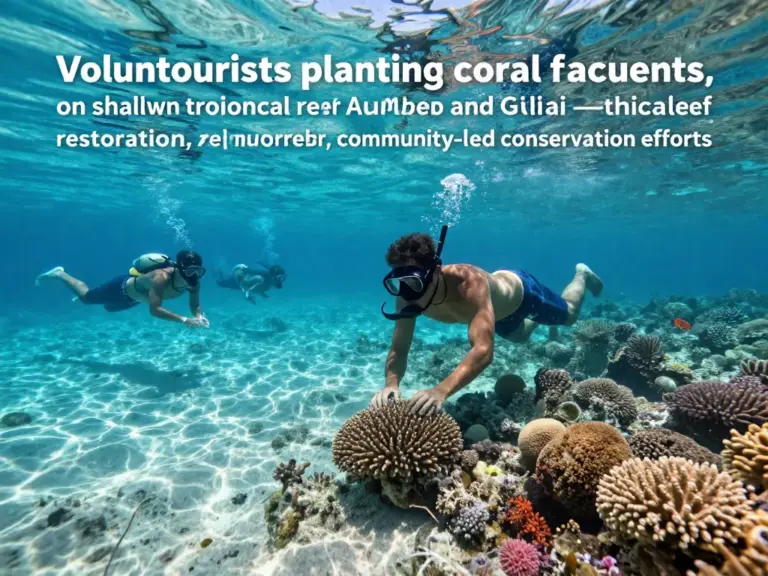
Amed is renowned for its black sand beaches and world-class diving. Beyond the famous USAT Liberty wreck nearby, Amed is a hub for innovative coral restoration. Many local dive shops use ‘Biorock’ technology or structural frames to encourage coral growth in areas where the natural reef has been damaged. When participating in Coral Restoration Voluntourism in Amed and Gili Air, you might find yourself cleaning algae off nursery structures or documenting the growth of transplanted fragments.
Gili Air: Balancing Tourism and Reef Health
Gili Air offers a more laid-back vibe compared to its neighbors, but its commitment to the ocean is intense. The Gili Ecosystem Trust and various local operators lead the charge here. Restoration efforts often focus on creating artificial reefs that provide new substrates for coral larvae to settle on. Volunteers in Gili Air often assist in reef surveys, helping scientists track biodiversity and coral health over time.
How to Help Right: Effective Voluntourism Practices
To ensure your contribution is effective, follow these guidelines for ethical voluntourism:
- Choose Accredited Organizations: Research groups that have a proven track record and transparent reporting.
- Prioritize Education: A good program will teach you about coral biology and the specific threats facing the local area.
- Respect Local Customs: Conservation is most effective when it respects and supports the local human community.
- Long-term Commitment: If possible, choose programs that emphasize the long-term maintenance of restoration sites.
| Feature | Amed Restoration | Gili Air Restoration |
|---|---|---|
| Primary Method | Structural Frames / Biorock | Substrate Enhancement |
| Atmosphere | Quiet, Community-focused | Social, Eco-conscious |
| Visibility | Excellent for Macro | Clear, Turquoise Waters |
คำถามที่พบบ่อย (FAQ)
Do I need to be a certified diver to participate?
While many in-water activities require SCUBA certification, some organizations offer land-based tasks or snorkeling-based restoration activities for non-divers.
Is coral restoration actually effective?
Yes, when done scientifically. It helps speed up the natural recovery of reefs, increases biodiversity, and provides essential habitat for fish.
How long should I volunteer for?
Programs range from one-day workshops to multi-week internships. Longer stays generally allow for a deeper impact and better learning experience.
What is the best time of year to go?
The dry season (April to October) offers the best water visibility and sea conditions for reef work in both Amed and Gili Air.
References
Coral Aid Conservation Resources
Gili Ecosystem Trust Official Site
Indonesia Travel – Marine Tourism
- What is coral restoration voluntourism and why choose Amed and Gili Air for your reef conservation trip?
- How to prepare for a responsible voluntourism experience: certifications, fitness, gear, and local regulations
- Hands-on coral restoration methods used in Amed and Gili Air: coral gardening, fragment transplantation, and monitoring protocols