Preparing to Travel to Tropical Regions: Assessing Health Risks, Recommended Vaccinations, and Timing
- Preparing to Travel to Tropical Regions: Assessing Health Risks, Recommended Vaccinations, and Timing
- Understanding Tropical Health Risks
- Essential Vaccinations for Tropical Travel
- Timing Your Preparations: When to Act
- Practical Health Tips for Your Tropical Adventure
- คำถามที่พบบ่อย (FAQ)
- What are the most common health risks when preparing to travel to tropical regions?
- When should I visit a doctor for vaccinations before a tropical trip?
- Are there specific vaccinations recommended for popular tropical destinations like Indonesia?
- What should be in a basic medical kit for tropical travel?
Tropical destinations, like the stunning islands of Indonesia, offer unparalleled beauty and adventure. However, to truly enjoy these paradises, it’s crucial to prioritize your health and safety. This comprehensive guide focuses on **preparing to travel to tropical regions**, covering everything from assessing potential health risks to understanding recommended vaccinations and the optimal timing for your pre-travel preparations. A well-prepared traveler is a healthy and happy traveler, ready to embrace the wonders of places like Bali, Lombok, or Raja Ampat without unnecessary worries.
Plan Ahead!
For most tropical travels, it’s recommended to consult a travel health specialist at least 4-6 weeks before your departure. Some vaccinations require multiple doses over several weeks to be fully effective.
Understanding Tropical Health Risks
Tropical regions, while enchanting, present unique health challenges that differ significantly from temperate climates. Awareness of these risks is the first step in effective prevention.
Common Tropical Diseases
- Malaria: A serious mosquito-borne disease. Risk varies by region; consult maps for your specific destination.
- Dengue Fever: Another mosquito-borne illness, prevalent in many tropical urban and rural areas, including parts of Indonesia. No specific vaccine for all types, so prevention is key.
- Zika Virus: Primarily spread by mosquitoes, also sexually transmissible. Poses significant risk to pregnant women due to birth defects.
- Traveler’s Diarrhea: The most common travel-related illness, usually caused by contaminated food or water.
- Hepatitis A and B: Viral infections affecting the liver. Hepatitis A is food/waterborne, Hepatitis B is blood/body fluid transmitted.
- Rabies: Present in many tropical countries. Transmitted through animal bites (dogs, monkeys, bats).
Environmental Hazards
- Sunburn and Heatstroke: The tropical sun can be intense. Proper protection and hydration are vital.
- Contaminated Water: Tap water is often unsafe for drinking, brushing teeth, or making ice.
- Unsafe Food: Street food can be delicious but carries risks if not prepared hygienically.
- Marine Life: Jellyfish, coral, and other sea creatures can cause injury or illness.
Essential Vaccinations for Tropical Travel
Vaccinations are your first line of defense against many tropical diseases. A personalized vaccination plan is crucial, especially when **preparing to travel to tropical regions** like Indonesia.
Routine Vaccinations
Ensure your routine vaccinations are up-to-date, as recommended for general health regardless of travel. These include:
- Measles, Mumps, Rubella (MMR)
- Diphtheria, Tetanus, Pertussis (DTaP)
- Varicella (Chickenpox)
- Polio
- Influenza (Flu shot)
Region-Specific Vaccinations
Depending on your specific tropical destination and activities, additional vaccinations may be required or highly recommended:
| Vaccination | Risk Factor / Region | Notes |
|---|---|---|
| Hepatitis A | Contaminated food/water worldwide | Highly recommended for most travelers. |
| Typhoid | Contaminated food/water, especially in rural areas | Recommended for those visiting developing countries or eating outside major hotels. |
| Yellow Fever | Sub-Saharan Africa, parts of South America | May be required for entry to some countries if coming from an infected area. Not a risk in Southeast Asia. |
| Rabies | Exposure to animals (e.g., bats, monkeys, stray dogs) | Consider for adventure travelers, long-term stays, or those working with animals. |
| Japanese Encephalitis | Rural agricultural areas in Asia, including parts of Indonesia | Consider for long-term stays (over 1 month) or extensive outdoor activities in endemic regions during transmission season. |
Consulting a Travel Doctor
The most crucial step in vaccination planning is to consult a travel health specialist. They will assess your individual risk based on your destination (e.g., specific regions in Indonesia), itinerary, duration of stay, and personal health history. They can provide up-to-date information and administer necessary vaccines and prescriptions for malaria prevention.
Timing Your Preparations: When to Act
Effective preparation is all about timing. Don’t leave your health planning to the last minute!
Pre-Travel Consultation (4-6 weeks before departure)
- Schedule an appointment with a travel health clinic.
- Receive necessary vaccinations (some require multiple doses over weeks).
- Get prescriptions for anti-malarials, traveler’s diarrhea antibiotics, and any personal medications.
- Discuss insect bite prevention strategies and safe food/water practices.
Last-Minute Preparations (1-2 weeks before departure)
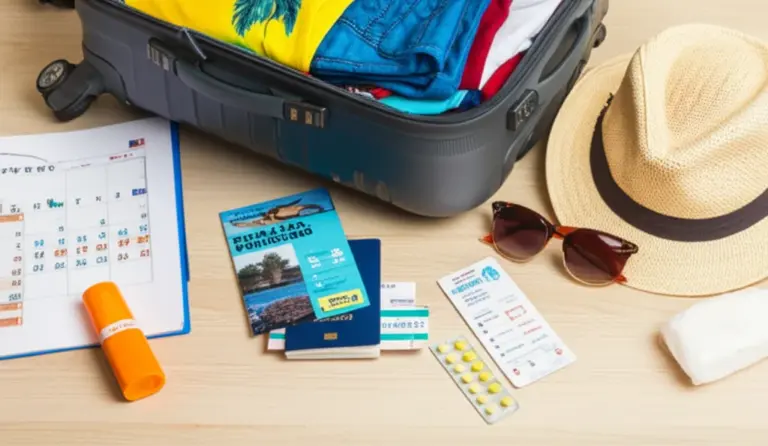
- Assemble your personal medical kit.
- Purchase insect repellent (DEET or Picaridin recommended).
- Make copies of important documents, including vaccination records.
- Confirm travel insurance coverage, especially for medical emergencies and evacuation.
During Your Trip (Ongoing vigilance)
- Drink only bottled or purified water.
- Eat only well-cooked food; avoid raw or undercooked items.
- Use insect repellent diligently, especially during dawn and dusk.
- Protect yourself from the sun with hats, sunglasses, and high-SPF sunscreen.
- Seek medical attention promptly for any unusual symptoms.
Practical Health Tips for Your Tropical Adventure
Beyond vaccinations, several practical measures can significantly enhance your health and safety while exploring tropical paradises.
Insect Bite Prevention
Mosquitoes and other biting insects are carriers of many tropical diseases. Protect yourself by:
- Using insect repellent containing DEET, Picaridin, IR3535, or oil of lemon eucalyptus.
- Wearing long-sleeved shirts and long pants, especially during dawn and dusk.
- Sleeping under an insecticide-treated mosquito net if your accommodation isn’t air-conditioned or screened.
Food and Water Safety
“Boil it, cook it, peel it, or forget it!” is a good rule of thumb. Avoid:
- Tap water, ice cubes, and drinks diluted with tap water.
- Unpasteurized dairy products.
- Raw or undercooked meat, fish, and vegetables.
- Food from street vendors that looks unhygienic or hasn’t been recently cooked.
Sun Protection
The tropical sun is powerful. Guard against sunburn and heat-related illnesses by:
- Using broad-spectrum sunscreen with an SPF of 30 or higher.
- Wearing a wide-brimmed hat and sunglasses.
- Staying hydrated with safe fluids.
- Seeking shade, especially during peak sun hours (10 AM to 4 PM).
Personal Medical Kit
A well-stocked medical kit can address minor ailments and injuries, preventing them from escalating:
- Pain relievers (e.g., ibuprofen, paracetamol).
- Anti-diarrhea medication (e.g., loperamide).
- Adhesive bandages, antiseptic wipes, and sterile gauze.
- Antihistamines for allergies or insect bites.
- Any personal prescription medications (with a doctor’s note).
Travel Insurance
Comprehensive travel insurance is non-negotiable for tropical travel. Ensure it covers:
- Medical emergencies and hospitalization.
- Emergency medical evacuation to your home country or a suitable medical facility.
- Trip cancellation/interruption and lost luggage.
Watch this video for more insights on staying healthy while traveling!
คำถามที่พบบ่อย (FAQ)
References
- CDC Travelers’ Health – Destination-Specific Information
- WHO Travel Health – Fact Sheets
- General Guidelines for Safe Travel