Ethical Orangutan Encounters in Sumatra: How to Choose Responsible Guides in Bukit Lawang for Sustainable Wildlife Tourism
- Ethical Orangutan Encounters in Sumatra: How to Choose Responsible Guides in Bukit Lawang for Sustainable Wildlife Tourism
- The Call of Sumatra’s Orangutans: Why Ethical Tourism Matters
- Understanding Responsible Wildlife Tourism
- Choosing Your Guide in Bukit Lawang: A Checklist for Responsibility
- What to Expect from an Ethical Orangutan Trek
- Beyond the Trek: Supporting Orangutan Conservation
- คำถามที่พบบ่อย (FAQ)
- Is it guaranteed to see orangutans in Bukit Lawang?
- Why is feeding orangutans considered unethical and dangerous?
- How can I verify if a guide is truly responsible in Bukit Lawang?
Sumatra, an island of unparalleled biodiversity, calls to adventurers and nature lovers worldwide. Among its most iconic inhabitants are the majestic Sumatran orangutans, whose presence draws thousands to the lush jungles of Bukit Lawang. Engaging in Ethical Orangutan Encounters in Sumatra is not just a memorable experience; it’s a crucial step towards their survival and the sustainability of the region’s unique ecosystem. This guide will empower you to make informed, responsible choices when selecting a tour guide in Bukit Lawang, ensuring your visit contributes positively to wildlife conservation and local communities.
The Call of Sumatra’s Orangutans: Why Ethical Tourism Matters
Bukit Lawang, nestled on the eastern edge of Gunung Leuser National Park, has become synonymous with orangutan trekking. This small village offers a gateway to one of the most biodiverse regions on the planet. However, the popularity of orangutan tourism brings both opportunities and challenges. While responsible tourism can be a lifeline for conservation, unethical practices pose severe risks to these incredible primates. [4], [9]
The Plight of the Sumatran Orangutan
The Sumatran orangutan (Pongo abelii) faces an existential crisis. Deforestation for palm oil plantations, illegal logging, and poaching have drastically reduced their numbers and fragmented their natural habitat. [4], [15] These intelligent creatures, sharing 97% of our DNA, are crucial to the health of the rainforest ecosystem, acting as vital seed dispersers. Protecting them means protecting the entire jungle. [5]
The Role of Tourism in Conservation
When done right, tourism in Bukit Lawang can be a powerful force for good. It provides economic incentives for local communities to protect the environment rather than engaging in destructive activities. [9], [17] Funds generated from ethical tours can support local jobs, reduce reliance on industries like palm oil, and fuel initiatives such as habitat patrols, reforestation projects, and educational programs. [4], [8]
Understanding Responsible Wildlife Tourism
Responsible wildlife tourism means prioritizing the welfare of animals and the integrity of their habitat above human gratification. It acknowledges that we are guests in their home and must behave accordingly. This is particularly vital for Ethical Orangutan Encounters in Sumatra, where past rehabilitation efforts have led to a semi-wild population more accustomed to human presence. [4], [15]
What Makes an Encounter “Ethical”?
- No Feeding: Ethical guides strictly prohibit feeding orangutans or any other wildlife. Feeding disrupts natural behavior, creates dependency, and can spread diseases. [3], [6]
- Safe Distance: Maintain a minimum distance of 10 meters from orangutans at all times. If an animal approaches, respectfully move back. [3], [6]
- Small Group Sizes: Treks should be conducted in small groups (maximum 6-8 people) to minimize disturbance. [3], [7]
- Leave No Trace: All rubbish, including food scraps, must be carried out of the forest. [5], [6]
- No Touching or Luring: Physical contact is off-limits, and guides should not beckon or call orangutans closer. [5], [6]
- Health Precautions: Do not go trekking if you are sick, as diseases can easily transfer to orangutans. [5]
The Dangers of Irresponsible Tourism
Unfortunately, some guides and tourists prioritize a close-up photo opportunity over the well-being of the orangutans. Feeding them can make them aggressive and dependent, leading to higher infant mortality rates in semi-wild populations. [3], [9], [15] Close contact also risks disease transmission, which can be devastating for these endangered animals. [5], [9] It’s crucial for visitors to be aware of these risks and to speak up if they observe unethical behavior. [5]
Choosing Your Guide in Bukit Lawang: A Checklist for Responsibility
Selecting the right guide is the single most important decision for Ethical Orangutan Encounters in Sumatra. Many operators claim to be ethical, but it’s essential to look beyond the marketing. Here’s what to look for:
Official Permits and Accreditations
A professional guide in Bukit Lawang should be registered with the Indonesian Tourist Guide Association (Himpunan Pramuwisata Indonesia – HPI) or the Indonesian Tourist Guides Association (ITGA). [3], [7] This involves training, passing exams, and regular renewal. Don’t hesitate to ask to see their license card. While not a complete guarantee of ethical practice, it’s a strong indicator of professionalism and adherence to national park regulations. [3], [9]
Small Group Sizes and Minimal Impact
Responsible companies will limit group sizes, typically to a maximum of 6-8 people, with smaller groups often being preferred. [3], [7] They should also emphasize staying on designated trails to avoid disturbing flora and fauna. Inquire about their policies regarding waste management and ensuring no litter is left behind. [6], [19]
No Feeding or Direct Contact with Wildlife
This is non-negotiable. An ethical guide will explicitly state a ‘no feeding, no touching’ policy for all wildlife. They will advise you to hide food and drinks, avoid opening backpacks in orangutan areas, and maintain a respectful distance. [3], [5] If a guide offers a “guaranteed close encounter” that involves feeding, it’s a red flag. [19]
Support for Local Communities and Conservation Efforts
Many responsible operators actively contribute a percentage of their profits to local conservation charities, reforestation projects, or community education programs. [5], [8], [13] Look for companies that clearly outline their commitment to sustainability and how they give back to the region and its inhabitants. Choosing them ensures your money directly benefits the area and its wildlife. [17]
Guide Knowledge and Professionalism
A good guide is not only knowledgeable about the jungle and its wildlife but also about ethical practices. They should be able to explain the importance of conservation, identify various species, and ensure your safety without compromising animal welfare. [7], [18] Check reviews on platforms like TripAdvisor, but also look for consistent messaging on their websites regarding ethical guidelines. [7]
What to Expect from an Ethical Orangutan Trek
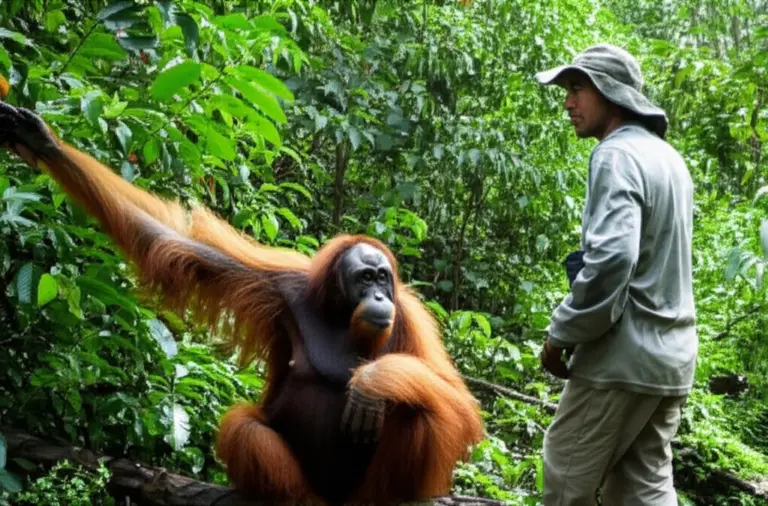
An ethical trek for Ethical Orangutan Encounters in Sumatra focuses on observation, education, and minimal disturbance. You’ll likely spend several hours hiking through dense rainforest, learning about the ecosystem from your guide. Sightings are never guaranteed, but responsible guides will use their knowledge to track orangutans while respecting their space. You’ll observe them from a distance, witnessing their natural behaviors – foraging, nesting, and caring for their young. The experience is about appreciating their wildness, not interacting with them. [6], [19]
Beyond the Trek: Supporting Orangutan Conservation
Your journey doesn’t end with the trek. You can continue to support orangutan conservation by:
- Choosing Eco-Friendly Accommodation: Many lodges in Bukit Lawang actively support conservation projects. [17]
- Volunteering: Organizations like those at Batu Kapal offer hands-on conservation opportunities. [14]
- Avoiding Unsustainable Palm Oil Products: Demand for palm oil drives deforestation, impacting orangutan habitats. [15]
- Spreading Awareness: Educate others about the importance of ethical wildlife tourism and orangutan conservation. [15]
By consciously choosing Ethical Orangutan Encounters in Sumatra and supporting conservation efforts, you become a part of the solution, helping to ensure these magnificent creatures thrive for generations to come. Your responsible travel choices can make a profound difference. [9]
คำถามที่พบบ่อย (FAQ)
The Bukit Lawang Rehabilitation Center was established in 1973 to rescue and reintroduce displaced or orphaned orangutans into the wild. While the center officially closed in 1995 (and feeding platforms in 2015) to transition to in-situ conservation, its legacy means that some semi-wild orangutans in the area are more accustomed to humans. This history underscores the critical need for ethical tourism practices today. [4], [12], [15]
References
- Exploring Sumatra: Bukit Lawang Jungle Trekking – How to Choose an Ethical Guide
- Visit Sumatran Orangutan: Sumatran Orangutan in Bukit Lawang: A History of Rehabilitation and Ecotourism
- Endless Distances: Bukit Lawang Orangutan Trekking: Your Complete Ethical Guide
- Discover Sumatra: Code of Conduct for Jungle Trekking
- Discover Sumatra: How to find a good trekking guide in Bukit Lawang?
- Wildlife Nomads: How to Save Orangutangs in Sumatra? – Tourism Powers Conservation
- SUMECO: Ethical and Responsible Jungle Trekking in Bukit Lawang
- YouTube: Orangutan Jungle Trek in Bukit Lawang, Sumatra Indonesia: 2 day trek
- Rainforest Projects: Bukit Lawang: From Rehabilitation Centre to Ecotourism
- Orangutan Eco Tours: Orangutan Conservation Eco Tours Bukit Lawang
- Volunteer World: Orangutan And Wildlife Corridor Conservation
- YouTube: Orangutan Jungle Trek in Bukit Lawang, Sumatra | Travel Vlog
- YouTube: Orangutan Jungle Trek in Sumatra, Indonesia | Kelly Gets Injured
- Meet Us On The Road: Finding an ethical jungle trek in Bukit Lawang? A full guide
- YouTube: Orangutan JUNGLE TREK in Sumatra Bukit Lawang, Nasi Goreng, Leeches, Tubing, Indonesia Travel Vlog
- YouTube: Orangutan Trekking in the Indonesian Rainforest | Bukit Lawang, Sumatra
- YouTube: 24 Hours with Wild Orangutans in Sumatra, Indonesia
- YouTube: Wild Orangutans in Bukit Lawang, Sumatra | 2 Day Trek + Rafting
- YouTube: BUKIT LAWANG: Watching Orangutans & Almost Getting Attacked by Gibbons!
- Why Choose Ethical Orangutan Encounters? Understanding Conservation, Animal Welfare, and Visitor Impact in Bukit Lawang
- How to Identify Responsible Guides and Tours: Certifications, Local Partnerships, and Red Flags to Avoid
- What to Expect on a Responsible Orangutan Trek: Sustainable Practices, Visitor Behavior, and Minimal-Impact Itineraries