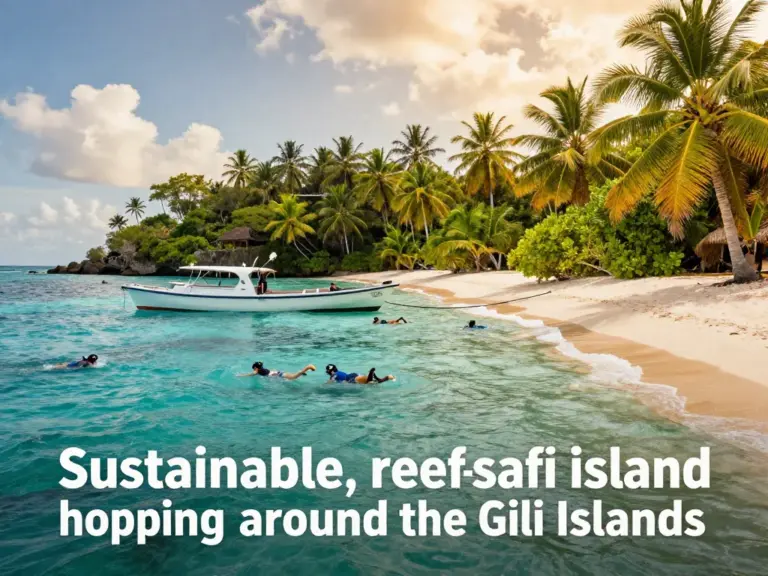
Low-Impact Island Hopping Reef-Safe Ways to Explore the Gili Islands: Sustainable Tips for Responsible Travelers
The Gili Islands—Gili Trawangan, Gili Meno, and Gili Air—are a tropical paradise nestled off the coast of Lombok, Indonesia. Known for their crystal-clear waters and vibrant marine life, these islands have become a bucket-list destination for global explorers. However, with popularity comes the responsibility of preservation. Embracing Low-Impact Island Hopping Reef-Safe Ways to Explore the Gili Islands is no longer just an option; it is a necessity to ensure these delicate ecosystems thrive for generations to come.
Why Choose Low-Impact Island Hopping?
Traditional tourism can inadvertently damage the very beauty we seek to enjoy. From anchor damage on coral reefs to the chemical runoff from standard sunscreens, the impact is measurable. By choosing low-impact methods, travelers support the local economy while minimizing their carbon footprint. This approach focuses on slow travel, respecting local customs, and protecting the biodiversity of the Indonesian archipelago.
Reef-Safe Snorkeling and Diving Practices
The reefs surrounding the Gilis are home to sea turtles, reef sharks, and hundreds of fish species. To explore them responsibly, follow these reef-safe guidelines:
- Use Reef-Safe Sunscreen: Avoid products containing oxybenzone and octinoxate, which cause coral bleaching. Look for mineral-based sunscreens (Zinc Oxide or Titanium Dioxide).
- Look, Don’t Touch: Never touch or step on the coral. Even a slight brush can kill a colony that took decades to grow.
- Maintain Buoyancy: If you are diving, ensure your buoyancy is mastered to avoid accidental contact with the seabed.
Sustainable Transportation Between the Islands
One of the most unique aspects of the Gili Islands is the absence of motorized vehicles. On land, you travel by foot, bicycle, or horse-drawn carriage (Cidomo). For island hopping, consider the following sustainable options:
| Transport Mode | Eco-Impact | Best For |
|---|---|---|
| Public Boat | Low | Budget-friendly inter-island transit |
| Kayaking / SUP | Zero | Exploring near-shore reefs quietly |
| Electric Fast Boats | Medium-Low | Quick transfers with reduced emissions |
Supporting Local Conservation Initiatives
Responsible travelers can go a step further by engaging with local NGOs. Organizations like the Gili Eco Trust work tirelessly on waste management, reef restoration (Biorock technology), and animal welfare. Participating in a beach clean-up or donating to a coral nursery project are excellent ways to leave a positive mark on the islands.
Sustainable Packing Essentials
What you bring to the island matters. Since waste management is a challenge on small islands, aim for a zero-waste kit:
- Reusable Straws and Cutlery: To avoid single-use plastics at night markets.
- Dry Bags: To keep your gear safe while using low-impact transport like kayaks.
- Biodegradable Toiletries: Ensure your soaps and shampoos don’t harm the groundwater.
คำถามที่พบบ่อย (FAQ)
Q: What is the best time to visit the Gili Islands for eco-friendly travel?
A: The dry season (May to September) is ideal. Calm seas make it easier to use low-impact transport like kayaks and reduce the fuel consumption of boats fighting heavy currents.
Q: Are there eco-friendly accommodations in the Gili Islands?
A: Yes, many resorts now use solar power, offer greywater recycling, and are built with sustainable materials like bamboo.
Q: How can I identify reef-safe sunscreen?
A: Check the label for ‘Non-Nano Zinc Oxide’ and ensure it does not contain Oxybenzone, Octinoxate, or Parabens.
Q: Is it safe to swim with turtles in the Gilis?
A: Yes, but you must keep a distance of at least 2 meters. Never chase or touch them, as it causes significant stress to the animals.
References
- Gili Eco Trust – Marine Conservation and Sustainability
- Wonderful Indonesia – Official Tourism Portal
- Coral Triangle Center – Protecting Marine Biodiversity
- Why Low-Impact Travel Matters for the Gili Islands — Understanding Reef Fragility, Local Communities, and Long-Term Tourism Impacts
- How to Plan a Reef-Safe Gili Islands Itinerary — Best Times to Visit, Eco-Friendly Transport Options, and Choosing Responsible Operators
- Practical Reef-Safe Activities and Practices — Snorkeling, Diving, Beach Etiquette, and Gear Choices That Protect Coral and Marine Life