How to Plan a Reef-Safe Gili Islands Itinerary — Best Times to Visit, Eco-Friendly Transport Options, and Choosing Responsible Operators
- How to Plan a Reef-Safe Gili Islands Itinerary — Best Times to Visit, Eco-Friendly Transport Options, and Choosing Responsible Operators
The Gili Islands—Gili Trawangan, Gili Meno, and Gili Air—are a tropical paradise nestled off the coast of Lombok, Indonesia. Known for their crystal-clear waters and vibrant marine life, these islands are a top destination for travelers seeking sun and sea. However, as tourism grows, so does the pressure on the delicate coral reefs. Planning a reef-safe Gili Islands Itinerary is no longer just a trend; it is a necessity for anyone wishing to preserve this natural wonder for future generations.
Understanding the Best Times to Visit the Gili Islands
Timing is everything when planning your Gili Islands Itinerary. To enjoy the best visibility for snorkeling and diving while minimizing your environmental impact, you should aim for the dry season. The dry season typically runs from May to September. During these months, the seas are calmer, and the lack of rain prevents runoff from clouding the water, which is better for the health of the coral reefs.
Eco-Friendly Transport Options: Getting There and Around
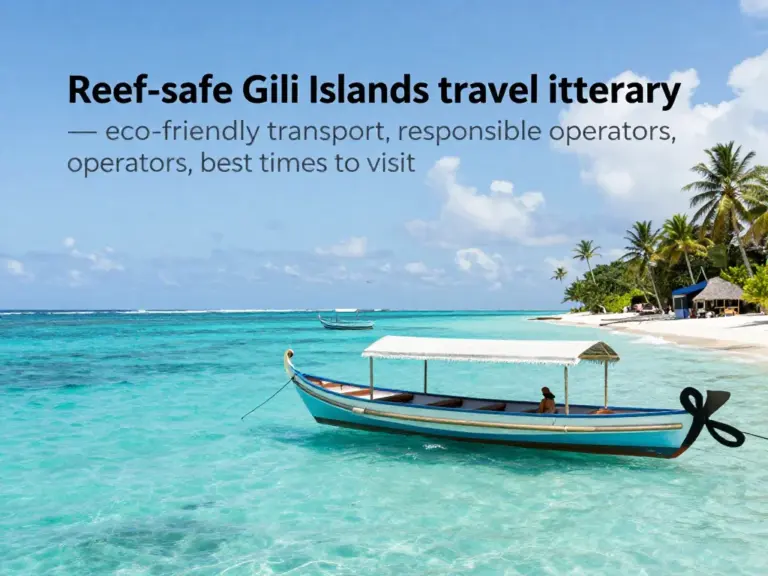
One of the most unique aspects of the Gili Islands is the total absence of motorized vehicles. To keep your Gili Islands Itinerary as reef-safe and eco-friendly as possible, consider your journey to the islands and your movement within them.
- Fast Boats from Bali: Choose operators that maintain their engines well to reduce fuel leakage into the ocean.
- Bicycles: Once on the islands, renting a bike is the most sustainable way to explore. Most guesthouses offer them for a small fee.
- Walking: The islands are small; you can walk around Gili Meno in less than an hour.
- Cidomo (Horse Carts): While traditional, many eco-conscious travelers prefer walking or cycling to ensure animal welfare standards are met.
Choosing Responsible Operators for Snorkeling and Diving
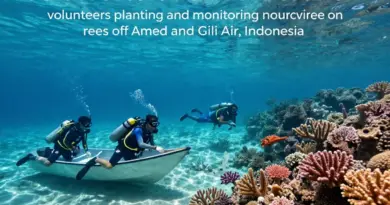
Your choice of tour operator is the most critical part of a reef-safe Gili Islands Itinerary. Look for operators that are members of the Gili Eco Trust. These businesses actively participate in reef restoration projects, such as Biorock technology, which uses low-voltage electricity to accelerate coral growth.
| Operator Type | What to Look For | Sustainability Impact |
|---|---|---|
| Dive Centers | PADI Eco Centers / Green Fins | High – Ensures no-touch policies |
| Snorkel Trips | Small groups, no bread feeding | Medium – Reduces fish behavior disruption |
| Accommodation | Solar power & water recycling | High – Reduces island waste |
Avoid any operator that encourages feeding fish or touching the turtles. These actions disrupt the natural ecosystem and can introduce bacteria that harm the reef.
Essential Reef-Safe Practices for Travelers
To truly commit to a reef-safe Gili Islands Itinerary, your personal habits matter. Always use reef-safe sunscreen that does not contain oxybenzone or octinoxate. Better yet, wear a rash guard to minimize the need for lotion. Additionally, participate in a beach clean-up; many local bars and dive shops organize weekly events where you can trade a bucket of trash for a free beer or juice.
คำถามที่พบบ่อย (FAQ)
What is the best month to visit the Gili Islands?
The best months are June and September when the weather is dry, visibility is high, and the islands are less crowded than the peak months of July and August.
Are there any cars on the Gili Islands?
No, there are no motorized vehicles on any of the three Gili Islands. Transport is limited to bicycles, walking, and horse-drawn carriages (cidomos).
How can I tell if a snorkeling tour is reef-safe?
A reef-safe tour operator will give a briefing on not touching the coral or wildlife, will not provide bread to feed fish, and is often affiliated with organizations like the Gili Eco Trust.
Do I need reef-safe sunscreen in the Gilis?
Yes, it is highly recommended. Standard sunscreens contain chemicals that cause coral bleaching. Look for mineral-based sunscreens containing zinc oxide or titanium dioxide.
Is Gili Trawangan better than Gili Air for eco-tourism?
Both islands have great eco-initiatives, but Gili Meno and Gili Air are generally quieter and more focused on nature, while Gili Trawangan has the largest concentration of eco-certified dive centers.
References
- Gili Eco Trust – Protecting the Gili Islands
- Official Indonesia Tourism – Gili Islands Guide
- Green Fins – Sustainable Diving Standards
- Low-Impact Island Hopping Reef-Safe Ways to Explore the Gili Islands: Sustainable Tips for Responsible Travelers
- Why Low-Impact Travel Matters for the Gili Islands — Understanding Reef Fragility, Local Communities, and Long-Term Tourism Impacts
- Practical Reef-Safe Activities and Practices — Snorkeling, Diving, Beach Etiquette, and Gear Choices That Protect Coral and Marine Life