How Batik is Made: Materials, traditional wax-resist techniques, modern adaptations, and step-by-step process
- How Batik is Made: Materials, traditional wax-resist techniques, modern adaptations, and step-by-step process
Batik, a UNESCO Intangible Cultural Heritage of Humanity, is far more than just patterned cloth; it is the soul of Indonesian artistry rendered in wax and dye. For visitors eager to understand the depth of Indonesian culture, learning How Batik is Made offers an unparalleled window into centuries of tradition. This comprehensive guide explores the intricate materials, time-honored techniques, and exciting modern evolutions of this iconic craft.
The Essence of Batik: Materials and Tools
The magic of Batik lies in its simplicity of concept—resisting dye—yet its execution requires specialized materials. Understanding these components is the first step in appreciating the complexity of How Batik is Made.
1. The Textile Canvas
Traditionally, high-quality Batik is crafted on natural fibers. The most prized are:
- Cotton (Kapas): The most common material, it absorbs dye evenly.
- Silk (Sutera): Used for luxurious, formal Batik, offering a delicate sheen.
- Ramie or Linen: Sometimes used for sturdier, more rustic pieces.
2. The Resist Medium: Malam (Wax)
The wax mixture, or malam, is the heart of the resist process. It typically consists of a blend of:
- Beeswax (Lilin Lebah): Provides the primary resistance.
- Paraffin or Tallow: Added to adjust the wax’s melting point and flexibility, preventing it from cracking too easily during dyeing.
3. The Tools of Application
The application tool dictates the style of the resulting pattern:
- Canting: The essential tool for fine, detailed hand-drawn Batik. It features a small copper reservoir (gagang) connected to one or more spouts (corong).
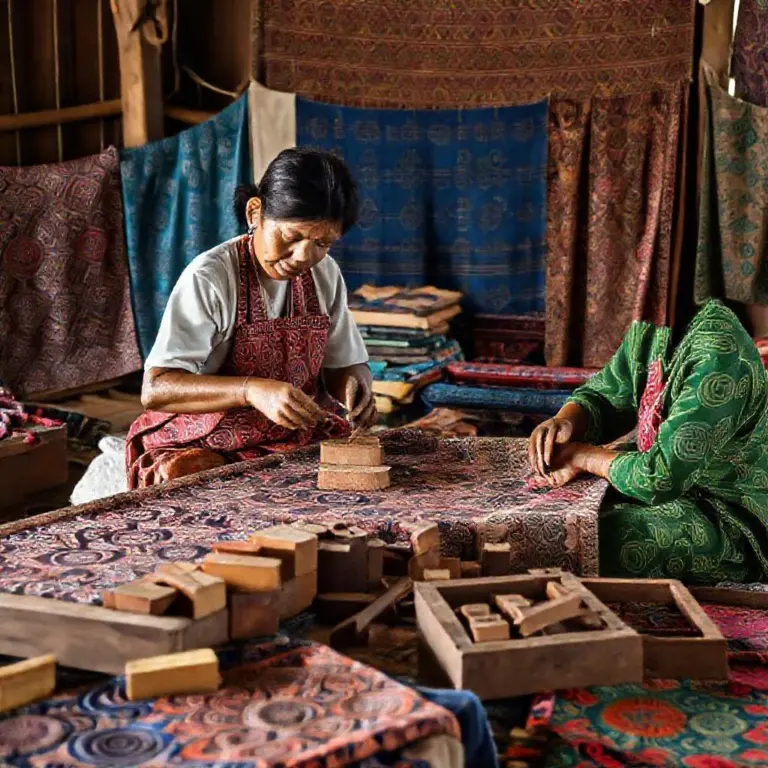
- Cap (Stamp): Large copper blocks used for mass production or repeating patterns. This method is faster but less intricate than the canting.
The Traditional Step-by-Step Process of Hand-Drawn Batik Tulis
The most revered form of Batik production is Batik Tulis (written Batik). This painstaking process can take weeks or even months to complete a single piece, embodying true artisanal dedication.
- Pattern Sketching (Nglengreng): The artist lightly sketches the desired motif onto the white cloth using charcoal or pencil.
- Wax Application (Membatik): This is the critical stage. The artist dips the canting into the hot malam and carefully draws the design onto the cloth. The wax seals the fabric, preventing the dye from penetrating those areas.
- First Dyeing (Pencelupan Pertama): The cloth is dipped into the lightest color dye first (often natural indigo or soga brown). The waxed areas remain white or the original fabric color.
- Drying and Waxing (Penembokan Ulang): After drying, the artist re-applies wax over the areas that must remain the first color. This protects the first color layer before the next dye bath.
- Repeated Dyeing: Steps 3 and 4 are repeated for every color change. Deeper colors require more layers of waxing in between.
- Boiling Off (Nglorod): Once all dyeing is complete, the fabric is boiled in hot water, often with a mild detergent, to melt away all the wax. This reveals the final, vibrant pattern.
- Final Rinse and Finishing: The cloth is washed, dried, and ironed. The finished product is a testament to patience and skill.
A Note on Color Depth
Natural dyes, like those from the Soga tree bark (producing rich browns) or indigo (producing blues), are fundamental to authentic Batik. The depth and longevity of these colors are highly valued.
The Speed and Scale of Stamped Batik (Batik Cap)
While Batik Tulis remains the pinnacle of artistry, Batik Cap (stamped Batik) allows for broader access to this art form. Understanding How Batik is Made via stamping reveals an industrial adaptation of the resist technique.
Instead of a canting, artisans use a large copper stamp, often created in sections that must be perfectly aligned to form a continuous pattern across the large cloth. The process follows the same dyeing sequence, but the wax application phase is dramatically faster, allowing for quicker turnaround times.
Modern Adaptations and Innovation in Batik Production
The textile industry constantly evolves. Modern adaptations focus on efficiency, new color palettes, and environmental sustainability.
Digital and Screen Printing
For fast fashion and large-scale commercial use, digital printing mimics the Batik look without any wax resistance. While these lack the texture and cultural depth of true Batik, they bring the aesthetic to a global audience.
Environmentally Conscious Dyeing
Contemporary Batik artists are increasingly moving away from synthetic dyes, which can pollute water sources, toward natural pigments derived from roots, leaves, and minerals, aligning the craft with sustainable tourism goals.
New Resist Materials
Some modern practitioners experiment with alternative resist agents, such as specialized gutta or even soy-based products, to achieve different textures or easier removal processes.
Experience Batik Firsthand: A Tourist’s Guide
As an Indonesia tourism enthusiast, the best way to appreciate this art is to witness it in action. Workshops are widely available, particularly in cultural hubs like Yogyakarta and Solo.
We highly recommend visiting a master artisan’s studio to see the delicate dance of the canting. While you may not have time to complete a full Batik Tulis, many short courses allow you to try applying wax to a simple design, giving you a profound appreciation for the skill involved in How Batik is Made.
To locate authentic Batik centers in Central Java, you can use the following mapping tool:
For a visual demonstration of the entire, mesmerizing process, please watch this video:
คำถามที่พบบ่อย (FAQ)
What is the main difference between Batik Tulis and Batik Cap?
Batik Tulis (written Batik) is entirely drawn by hand using a canting, resulting in unique, detailed, and highly valuable pieces. Batik Cap (stamped Batik) uses a copper stamp to apply the wax, making it faster and suitable for repeating patterns.
Why is the wax boiled off in the final step?
The boiling process, called Nglorod, is necessary to remove the hardened wax (malam) from the fabric. This reveals the final pattern where the wax successfully resisted the dye penetration.
Are all Batik patterns from Java?
While Java (especially Yogyakarta and Solo) is the historical heartland of Batik production, distinct and equally important Batik traditions exist across Indonesia, including Bali, Sumatra (e.g., Palembang), and Kalimantan, often utilizing different motifs and dye colors.
How can I tell if a Batik cloth is genuine hand-drawn Batik?
Genuine Batik Tulis will show slight imperfections, variations in wax thickness, and subtle differences on the reverse side of the fabric where the wax seeped through slightly. Stamped Batik will have perfectly uniform patterns.
References
UNESCO Intangible Cultural Heritage: Indonesian Batik
Google Arts & Culture: The Art of Batik
- Traditional Indonesian Arts and Crafts: A Guide to Batik — History, Techniques, Motifs, and Where to Experience It
- What is Batik? Origins, cultural significance, and how it differs across Indonesian regions
- Understanding Batik Motifs and Meanings: Common patterns, symbolic meanings, regional styles, and how to identify authentic pieces