What is Batik? Origins, cultural significance, and how it differs across Indonesian regions
- What is Batik? Origins, cultural significance, and how it differs across Indonesian regions
- The Ancient Roots and Global Recognition of Batik
- Profound Cultural and Spiritual Significance
- Regional Diversity: How Batik Differs Across Indonesia
- The Practicalities of Batik for Travelers
- คำถามที่พบบ่อย (FAQ)
- What is the difference between Batik Tulis and Batik Cap?
- Why is Batik significant to Indonesian culture?
- Which Indonesian region is famous for the brightest Batik colors?
Welcome to the vibrant, intricate world of Indonesian textile art. For travelers exploring the archipelago, understanding What is Batik? is essential, as it is more than just fabric—it is a living narrative, a spiritual practice, and a UNESCO-recognized Intangible Cultural Heritage of Humanity. This guide dives deep into the origins, profound cultural significance, and the dazzling regional variations that make Indonesian Batik a must-see treasure for any visitor.
Batik, derived from the Javanese words *amba* (to write) and *titik* (dot), refers to the technique of drawing patterns on cloth using hot wax resist before dyeing. The complexity of the patterns and the depth of the colors often reflect the status, history, and spiritual beliefs of the wearer. As you journey through Indonesia, you will encounter Batik that tells stories of royalty, nature, and cosmology.
The Ancient Roots and Global Recognition of Batik
While the technique itself may have roots in ancient Egypt and India, Indonesia, particularly Java, perfected and elevated Batik to an unparalleled art form. Archaeological evidence suggests Batik production in Indonesia dates back as far as the 13th century, though its true flourishing occurred during the Majapahit Empire.
The Magic of the Wax Resist Technique
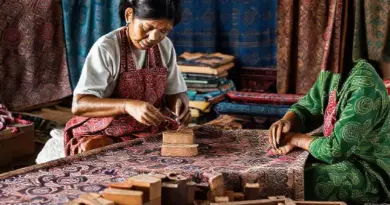
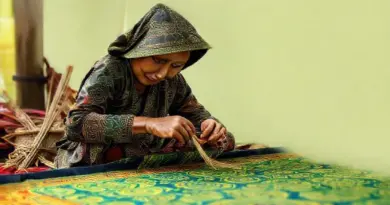
The core of Batik creation lies in the precise application of *malam* (a mixture of beeswax and paraffin). This wax is applied using a specialized tool called a canting (for fine details) or by using a cap (a copper stamp for larger, repeating patterns). The wax resists the dye, creating the signature patterns when the cloth is immersed in vats of natural indigo or soga brown. The process is repeated for every color used, making authentic, hand-drawn Batik incredibly time-consuming and valuable.
In 2009, UNESCO officially recognized Indonesian Batik as a Masterpiece of the Oral and Intangible Heritage of Humanity, solidifying its status as a vital cultural asset.
Profound Cultural and Spiritual Significance
For centuries, Batik served a purpose far beyond mere decoration. It was intrinsically linked to Javanese court life, religious ceremonies, and social hierarchy. Certain patterns were strictly reserved for royalty, while others symbolized fertility, protection, or good fortune.
Batik as a Social Indicator
In traditional Javanese society, the motifs worn communicated immediate information about the wearer:
- Status and Nobility: Deep indigo and rich brown patterns were often associated with the royal courts of Yogyakarta and Surakarta.
- Life Events: Specific Batik cloths were required for ceremonies like weddings, births, and funerals, signifying transitions in life.
- Protection: Motifs like the *Parang Rusak* (a repeating diagonal line pattern) were historically forbidden for commoners, as they were believed to possess sacred power reserved only for the Sultan.
The Spiritual Connection
The meticulous, meditative process of waxing and dyeing mirrors philosophical concepts of patience, balance, and harmony. Each dot and line drawn by the artisan is considered a form of meditation, imbuing the cloth with positive energy. This spiritual depth is what distinguishes Indonesian Batik from other resist-dyeing traditions globally.
Regional Diversity: How Batik Differs Across Indonesia
The beauty of Indonesian Batik lies in its incredible regional diversity. While Central Javanese Batik tends towards muted, traditional colors, the coastal regions developed bolder, more expressive styles influenced by trade and migration. Understanding these differences is key to appreciating the full scope of this art form.
Central Java: The Heart of Tradition (Yogyakarta & Surakarta)
Central Javanese Batik is the benchmark for traditional elegance. It primarily uses natural dyes—soga brown (from the *soga* tree bark) and indigo blue—against a creamy white background. Motifs are geometric, complex, and deeply symbolic, often depicting flora and fauna integrated into flowing, controlled patterns.
Coastal Batik: Boldness and Foreign Influence
Coastal Batik, particularly from areas like Pekalongan and Cirebon, embraced brighter, more varied colors due to proximity to international trade routes. These Batiks feature:
- Pekalongan Batik: Known for its vibrant, almost psychedelic use of color, often incorporating Chinese floral motifs (like the *Mega Mendung* or ‘cloud’ pattern) and European elements.
- Cirebon Batik: Famous for its highly stylized, almost calligraphic depiction of nature, often featuring peacocks and intricate foliage.
Eastern Indonesia: A New Frontier
Regions further east, such as those in Nusa Tenggara Timur (NTT), have unique styles that often blend Batik techniques with traditional Ikat weaving motifs. While less strictly ‘Batik’ in the Javanese sense, these areas produce stunning textiles that show cultural fusion.
To truly grasp the artistry involved in this intricate process, watching a master at work is invaluable:
Batik Modern and Contemporary Expression
Today, Indonesian artisans continue to innovate. Contemporary Batik artists experiment with non-traditional materials, abstract designs, and modern dyeing techniques, ensuring that What is Batik? remains a dynamic, evolving art form that speaks to the modern Indonesian identity while honoring its past. Many contemporary designers now blend the traditional wax-resist technique with digital printing or screen printing for broader market appeal, though the true masters still prefer the *canting*.
Visitors interested in seeing the epicenter of traditional Batik should prioritize trips to the Kraton (royal palaces) areas in Yogyakarta and Solo (Surakarta). For the most vibrant, colorful examples, head to the northern coast.
The Practicalities of Batik for Travelers
When purchasing Batik as a souvenir or for personal use, understanding the quality levels helps ensure you invest wisely. Here is a quick comparison:
| Type | Application Method | Detail Level | Time Required |
|---|---|---|---|
| Batik Tulis (Handwritten) | Canting (pen-like tool) | Extremely High | Weeks to Months |
| Batik Cap (Stamped) | Copper Stamp | High, highly repeatable | Days |
| Batik Printing | Screen or Digital Printing | Low to Moderate | Hours |
No trip to Indonesia is complete without experiencing the heritage woven into every thread of Batik. It represents the nation’s soul, history, and incredible artistic dedication.
References
คำถามที่พบบ่อย (FAQ)
Batik Tulis (handwritten) is created entirely by hand using a canting tool, resulting in unique variations and high detail. Batik Cap (stamped) uses pre-made copper stamps to apply the wax quickly, making it faster and more uniform, but less artistic than Tulis.
Batik is significant because it embodies centuries of tradition, spiritual philosophy, and social hierarchy. It was integral to court life and rituals, and its patterns often convey deep meanings related to protection, fertility, and cosmic balance.
The coastal Batik producers, particularly in Pekalongan, are known for the brightest and most colorful designs. This is due to their historical openness to foreign influences via maritime trade, leading to the use of non-traditional, synthetic dyes alongside traditional ones.
- Traditional Indonesian Arts and Crafts: A Guide to Batik — History, Techniques, Motifs, and Where to Experience It
- How Batik is Made: Materials, traditional wax-resist techniques, modern adaptations, and step-by-step process
- Understanding Batik Motifs and Meanings: Common patterns, symbolic meanings, regional styles, and how to identify authentic pieces