Indonesia, an archipelago of over 17,000 islands, offers a mesmerizing blend of vibrant cultures, lush landscapes, and challenging adventures. Navigating this vast and diverse nation requires careful planning, especially when considering remote trekking locations. This comprehensive guide details everything you need to know about Indonesia travel transport and safety, ensuring your journey is as smooth and rewarding as possible. From efficient inter-island transport options to assessing trail difficulty and hiring trustworthy local guides, we cover the essential logistical and safety components for an unforgettable Indonesian experience.
Mastering Inter-Island Transport Options
The sheer scale of Indonesia means that travel between major islands often requires utilizing a mix of air, land, and sea transportation. Understanding the reliability and cost of each mode is crucial for budgeting and scheduling your trip.
Air Travel: Connecting the Archipelago
Domestic air travel is the fastest and often the most comfortable way to bridge large distances, such as flying from Java to Sulawesi or Bali to Flores. Major carriers like Garuda Indonesia (the national flag carrier) and budget airlines such as Lion Air and AirAsia offer extensive networks. While budget carriers are cost-effective, travelers should be prepared for potential delays and strict baggage allowances. Always check the safety record of the airline before booking.
Land Transport: Trains, Buses, and Ride-Sharing
On the major islands of Java and Sumatra, land travel is highly developed. Java boasts an excellent, scenic, and reliable railway system (KAI), offering Executive, Business, and Economy classes. This is highly recommended for long-distance travel across Java. For shorter distances and navigating cities, ride-sharing apps like Gojek and Grab are ubiquitous, offering motorbike taxis (Ojek) and car services. They are essential for travelers due to their fixed pricing and ease of use.
| Mode | Best For | Key Island Coverage |
|---|---|---|
| Train (KAI) | Long-distance comfort and scenery | Java, parts of Sumatra |
| Gojek/Grab | Short, intra-city trips | All major cities (Bali, Jakarta, Yogyakarta) |
| Public Bus | Budget travel, local experience | Inter-city routes, less comfortable |
Sea Travel: Ferries and Fast Boats
For island hopping, ferries (operated by PELNI) and fast boats are indispensable. PELNI ferries cover vast distances between major ports but are slow and offer a very basic experience. Fast boats, particularly common between Bali, Lombok, and the Gili Islands, are quicker but can be rough in adverse weather. Always ensure the vessel appears well-maintained and that life jackets are readily visible.
Assessing Trail Difficulty and Trekking Preparation
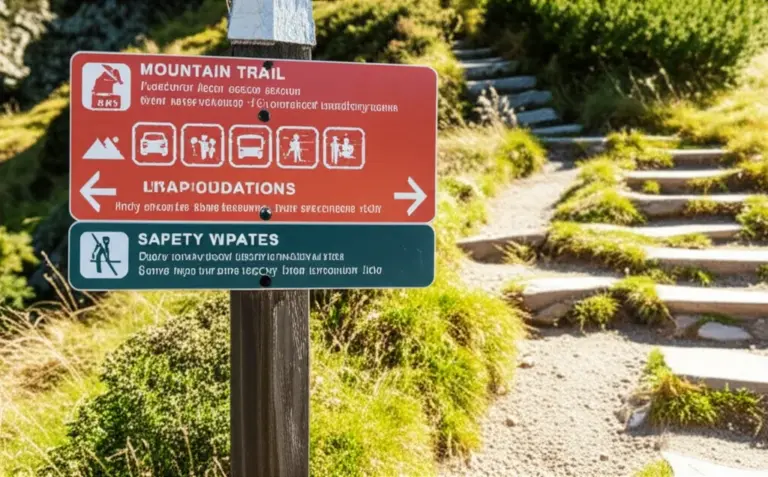
Indonesia is famous for its volcano hikes and jungle treks. However, the terrain is often challenging, characterized by steep inclines, uneven volcanic ash, and unpredictable tropical weather. It is vital to accurately assess the difficulty of a trail relative to your fitness level.
Popular Treks: From Gentle Hikes to Challenging Climbs
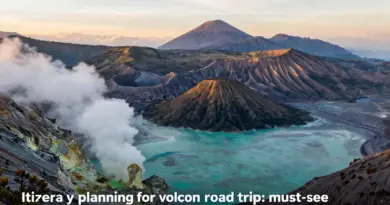
- **Mount Bromo (Java):** Relatively easy, involving a short jeep ride and a modest climb up concrete steps. Accessible to most fitness levels.
- **Mount Ijen (Java):** Moderate difficulty. Requires an early morning, steep ascent on loose soil to see the blue flames. Good fitness required.
- **Mount Rinjani (Lombok):** Highly challenging. A multi-day trek (3-4 days) involving significant altitude gain, steep scree slopes, and extreme weather changes. Requires excellent physical condition and preparation.
Essential Gear and Permits
For any multi-day trek, essential gear includes sturdy hiking boots, layers of clothing (for temperature shifts), a waterproof jacket, and reliable headlamps. Permits (often called SIMAKSI) are mandatory for entering national parks and must be secured through the park office or a registered tour operator prior to starting the hike.
Watch this short guide for general tips on navigating Indonesian travel logistics.
The Value of Local Guides and Cultural Immersion
Hiring a local guide is not just a matter of safety—it is an investment in cultural understanding and community support. In areas like the remote villages of Flores or the dense jungles of Borneo, local guides possess invaluable knowledge of the terrain, weather patterns, and local customs. Always hire guides who are officially licensed and recommended by reputable hotels or government-certified agencies.
When visiting temples or meeting elders, remember to dress modestly (covering shoulders and knees). Always use your right hand when giving or receiving objects or money, as the left hand is considered impolite.
Comprehensive Safety Tips for Travelers
Ensuring your personal security and health is paramount when exploring Indonesia. By following practical guidelines regarding Indonesia travel transport and safety protocols, travelers can mitigate most risks.
Health and Insurance
**Travel Insurance:** Never travel without comprehensive travel insurance that covers emergency medical evacuation, especially if planning high-risk activities like diving or mountain trekking. **Vaccinations:** Ensure routine vaccinations are up-to-date. Depending on the region, consider vaccinations for Hepatitis A and B, Typhoid, and Japanese Encephalitis. **Water:** Always drink bottled water or use a reliable water filter/purifier. Tap water is generally unsafe for consumption.
Security and Environment
**Petty Crime:** While generally safe, petty theft (snatching bags from motorbikes) occurs in busy tourist areas like Bali and Jakarta. Keep valuables secured and out of sight. **Road Safety:** Drive defensively if renting a scooter; road conditions and traffic rules can be chaotic. Avoid traveling by road late at night in remote areas. **Natural Disasters:** Indonesia is seismically active. Familiarize yourself with tsunami and earthquake protocols, especially when staying near the coast. Pay attention to local weather warnings, particularly during the rainy season (November to March).
By understanding the logistics of transport, respecting the local environment, and prioritizing safety, your exploration of Indonesia’s breathtaking islands—from the volcanic peaks of Java to the underwater wonders of Raja Ampat—will be truly transformative. Effective planning is the cornerstone of responsible adventure travel in this incredible destination.
คำถามที่พบบ่อย (FAQ)
Here are answers to common questions regarding travel logistics in Indonesia.
References
Garuda Indonesia Official Website
Smart Traveller Indonesia Safety Advice