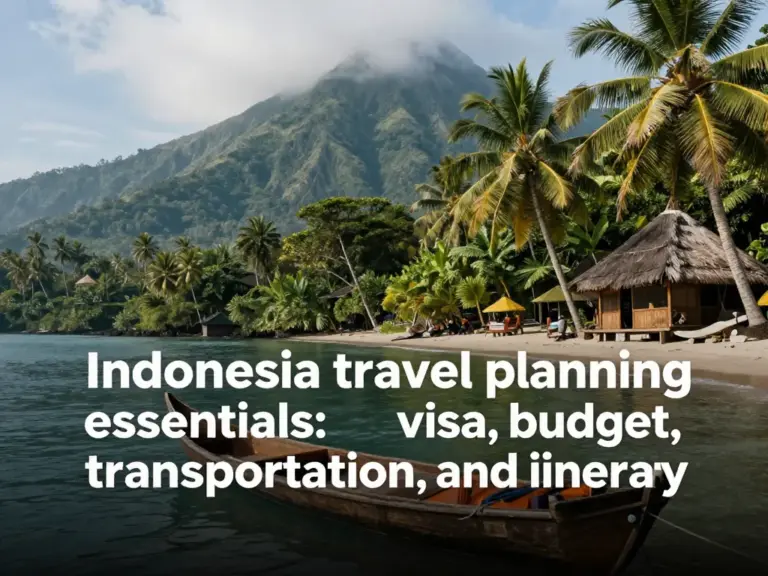
How to Plan Your Indonesia Trip: Visas, Budget, Transportation, and Itineraries
Planning a getaway to the world’s largest archipelago can feel overwhelming, but knowing how to plan your Indonesia trip effectively transforms the process into an exciting adventure. From the spiritual landscapes of Bali to the volcanic wonders of Java and the pristine waters of Raja Ampat, Indonesia offers a diverse experience for every traveler. This guide breaks down the essential logistical steps to ensure your journey is seamless, memorable, and stress-free.
Understanding Visa Requirements
The first step in your planning process is navigating entry requirements. Most international travelers will need a Visa on Arrival (VoA), which is valid for 30 days and can be extended once. It is advisable to check the official Indonesian immigration portal to see if your nationality qualifies for the electronic Visa on Arrival (e-VoA) to save time at the airport.
Setting Your Budget
Indonesia caters to all budget levels, from backpackers living on $30 a day to luxury travelers seeking five-star resorts. When creating your budget, consider these three tiers:
| Budget Tier | Daily Estimate | Travel Style |
|---|---|---|
| Budget | $30 – $50 | Hostels, local warungs, public transport |
| Mid-Range | $70 – $120 | Boutique hotels, private drivers, cafe dining |
| Luxury | $200+ | Private villas, internal flights, guided tours |
Transportation: Getting Around the Archipelago
Indonesia is vast. To maximize your time, domestic flights are the most efficient way to hop between islands like Java, Bali, and Lombok. For shorter distances, ride-hailing apps like Gojek or Grab are indispensable for booking scooters, cars, and even food delivery. For island hopping, ferries are common, though always check local weather conditions before booking.
Crafting Your Itinerary
Don’t try to see everything in one go. Indonesia is massive. A classic 2-week itinerary often looks like this:
- Days 1-4: Ubud, Bali (Cultural heart, rice terraces, yoga).
- Days 5-8: Nusa Penida or Gili Islands (Snorkeling, beaches, relaxation).
- Days 9-12: Yogyakarta, Java (Borobudur and Prambanan temples).
- Days 13-14: Jakarta (Shopping and urban exploration).
คำถามที่พบบ่อย (FAQ)
The best time is during the dry season, which runs from April to October. This ensures sunny weather for beaches and trekking.
Yes, it is highly recommended to have comprehensive travel insurance that covers medical emergencies and adventure activities like surfing or hiking.
The local currency is the Indonesian Rupiah (IDR). While credit cards are accepted in major hotels and restaurants, cash is essential for local markets and rural areas.