Why Visit Indonesia’s Hidden Islands? Understanding the Appeal, Best Seasons, and Safety Tips for Off-Grid Exploration
- Why Visit Indonesia’s Hidden Islands? Understanding the Appeal, Best Seasons, and Safety Tips for Off-Grid Exploration
- The Irresistible Allure: Beyond the Tourist Trail
- Spotlight Destinations: Where to Go Off-Grid
- Navigating the Calendar: Best Seasons for Exploration
- Safety and Preparedness for Off-Grid Travel
- Responsible Exploration: E-E-A-T in Practice
- คำถามที่พบบ่อย (FAQ)
- Is it safe to travel to remote Indonesian islands without a tour group?
- What is the best way to get to islands far from Java or Bali?
- Are these islands suitable for budget backpacking?
- What specific vaccinations should I consider before visiting remote Indonesian islands?
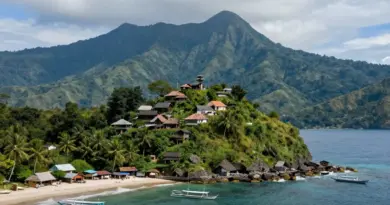
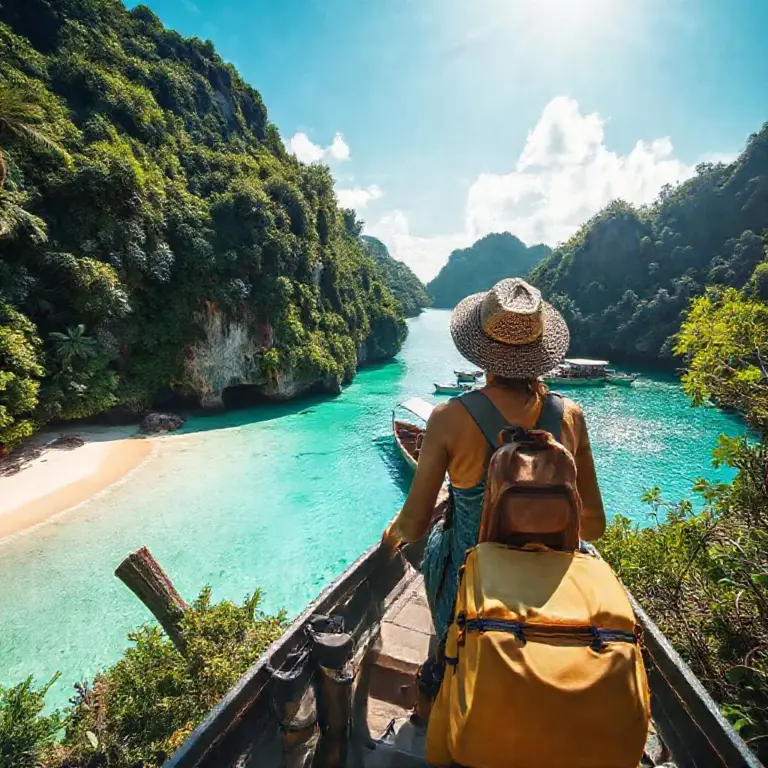
While Bali shines brightly, the true soul of the Indonesian archipelago lies scattered across its thousands of lesser-known gems. If you are searching for untouched nature, profound cultural immersion, and genuine solitude, understanding Why Visit Indonesia’s Hidden Islands? becomes your next great travel mission. This guide is curated for the discerning traveler ready to venture off the established tourist track.
The Irresistible Allure: Beyond the Tourist Trail
The appeal of Indonesia’s hidden islands is rooted in authenticity and raw, untamed beauty. These destinations offer a stark contrast to the developed resorts, promising experiences that feel truly earned.
Pristine Biodiversity and Marine Wonders
Many of these islands fall within the Coral Triangle, making them unparalleled hotspots for marine life. Diving and snorkeling here are often done without crowds, revealing vibrant, undisturbed ecosystems. Think Komodo National Park’s neighbors, or the remote reefs of the Banda Islands.
- Raja Ampat’s Neighbors: Exploring the less-visited parts of West Papua offers similar biodiversity without the heavy infrastructure.
- Volcanic Landscapes: Islands like Flores and Sumba boast dramatic topography, from crater lakes to remote waterfalls, offering incredible trekking opportunities.
Cultural Preservation and Genuine Connection
On islands such as the Togian Islands (Sulawesi) or the Mentawai Islands (Sumatra), local traditions remain deeply ingrained in daily life. Visitors are often welcomed not as tourists, but as guests, offering rare insights into ancient customs, architecture, and community structures. This is where true cultural exchange happens.
Spotlight Destinations: Where to Go Off-Grid
To truly answer Why Visit Indonesia’s Hidden Islands?, one must look at specific, remote locations that define off-grid exploration. These islands require patience and flexibility.
The Lesser Sunda Gems (East of Lombok)
Beyond the tourist hubs of Bali and Gili, islands like Alor and Lembata offer rugged beauty. Alor is gaining recognition for its world-class macro diving sites, while the local traditions of whale hunting (using traditional methods) on Lembata provide a unique anthropological experience.
The Spice Islands (Maluku)
Banda Neira, the historical heart of the global nutmeg trade, offers incredible history alongside stunning underwater topography. Access requires long ferry rides or domestic flights, but the reward is stepping back into a less-modernized, deeply historical setting.
Sulawesi’s Remote Archipelagoes
The Togian Islands are famous for their crystal-clear waters and the Bajau sea nomads. Travel here often involves multiple slow boat transfers, testing your patience but rewarding you with unparalleled serenity.
Unlike the heavily touristed areas, the shoulder seasons and the dry season are crucial for remote island exploration, as infrastructure is minimal and weather dictates accessibility.
The Prime Window: Dry Season (April to October)
This is generally the best time for most of Indonesia. Sea conditions are calmer, making inter-island travel via local boats safer and more reliable. Visibility for diving and snorkeling is at its peak across the eastern islands.
Shoulder Season Advantages (March & November)
If you seek fewer travelers while still enjoying reasonable weather, the transition months are excellent. You might encounter brief, intense rain showers, but the prices are often lower, and the welcome warmer.
Wet Season Considerations (November to March)
While beautiful—lush and green—the wet season significantly impacts logistics. Ferries can be canceled, roads become treacherous, and visibility underwater decreases. It is best avoided unless you are specifically targeting areas like parts of Sumatra where the dry season differs slightly.
Safety and Preparedness for Off-Grid Travel
Venturing to remote areas demands a higher level of self-sufficiency. Your safety hinges on meticulous preparation. This is vital knowledge for anyone asking Why Visit Indonesia’s Hidden Islands? responsibly.
Health and Medical Preparedness
Medical facilities on truly hidden islands are often basic or non-existent. Always carry a comprehensive first-aid kit, including prescription medications, anti-diarrhea remedies, and sterile wound care supplies. Ensure you have comprehensive travel insurance that explicitly covers emergency evacuation, as this can be extremely costly.
| Item | Importance Level | Notes |
|---|---|---|
| Water Purification | Critical | Assume tap water is unsafe; use filters or tablets. |
| Power Bank/Solar Charger | High | Electricity supply can be intermittent or non-existent. |
| Cash (Rupiah) | Critical | ATMs are rare; bring sufficient small denominations. |
| Local Language Phrasebook | Medium | English proficiency is very low outside major centers. |
Logistical Flexibility and Communication
Accept that schedules are suggestions, not commitments. Delays are inevitable. Always inform someone reliable (your embassy or a trusted contact back home) of your general itinerary, even if you cannot check in daily. Mobile signal will be patchy at best.
To better visualize the journey required to reach these remote havens, take a look at this overview of Indonesian travel logistics:
Responsible Exploration: E-E-A-T in Practice
To maintain the pristine nature of these environments, responsible tourism is paramount. Demonstrating Experience, Expertise, Authoritativeness, and Trustworthiness (E-E-A-T) means leaving no trace.
- Respect Local Customs: Always ask permission before photographing people, especially in traditional villages. Dress modestly when visiting sacred sites.
- Waste Management: Carry out everything you carry in. Plastic pollution is a major issue on remote coastlines; bring reusable containers and bags.
- Support Local Guides: Hiring local guides not only provides economic benefit but also ensures you navigate sensitive areas safely and respectfully. Look for guides certified by local tourism boards for trustworthy service.
The choice to explore Indonesia’s hidden islands is a commitment to slower, deeper travel. The logistical challenges fade into insignificance when measured against the reward of witnessing true paradise.
คำถามที่พบบ่อย (FAQ)
References
- Off-the-Beaten-Path Indonesia: Uncovering Hidden Islands and Secret Spots for Adventurous Travelers
- How to Find and Plan Trips to Secret Spots: Local Guides, Permits, Transport Options, and Responsible Travel Practices
- Top Lesser-Known Islands and Remote Beaches to Visit in Indonesia: Detailed Picks for Snorkeling, Hiking, Culture, and Wildlife