How to Find and Plan Trips to Secret Spots: Local Guides, Permits, Transport Options, and Responsible Travel Practices
- How to Find and Plan Trips to Secret Spots: Local Guides, Permits, Transport Options, and Responsible Travel Practices
- Phase 1: Unearthing the Unknown – Finding Secret Spots
- Phase 2: Navigating Bureaucracy – Permits and Permissions
- Phase 3: Mastering Logistics – Transport Options
- Phase 4: The Ethos of Exploration – Responsible Travel Practices
- คำถามที่พบบ่อย (FAQ)
- Is it legal to visit undocumented ‘secret’ waterfalls in Bali?
- How far in advance should I plan for remote permits in Papua?
- What is the safest way to pay local guides in remote areas?
Dreaming of escaping the crowds of Kuta or the usual Mount Batur sunrise trek? Indonesia, an archipelago teeming with thousands of islands, holds countless **secret spots** waiting to be discovered. However, accessing these pristine locations requires more than just a good map; it demands meticulous planning, local knowledge, and a deep commitment to responsible travel. This comprehensive guide details precisely **How to Find and Plan Trips to Secret Spots: Local Guides, Permits, Transport Options, and Responsible Travel Practices** to ensure your adventure is both successful and ethical.
The search intent for this topic is deeply informational and practical, aimed at experienced travelers seeking authentic, low-impact experiences within the Indonesian context. We will leverage local expertise and regulatory knowledge to pave the way for your next unforgettable journey.
Phase 1: Unearthing the Unknown – Finding Secret Spots
The best secrets are rarely listed on major booking sites. They are whispered between trusted travelers or known only to the local community. Success hinges on moving beyond mainstream tourism hubs.
Leveraging Local Knowledge and Digital Whispers
Your first line of defense against tourist traps is direct engagement. While Google Maps shows the popular routes, local insights reveal the hidden waterfalls, untouched beaches, or ancient villages.
- Engage with Local Homestay Owners: These individuals often know the immediate surroundings intimately. Ask them where they go on their days off.
- Dive into Niche Forums and Social Media Groups: Search platforms like Reddit (e.g., r/indonesia, r/travel) or specific Facebook groups dedicated to Indonesian trekking or diving. Look for discussions mentioning specific regencies (Kabupaten) rather than just island names.
- Consult Specialized Travel Blogs and Micro-Influencers: Look for content creators who focus on remote areas of Sulawesi, Maluku, or West Papua, as these regions retain more secrets.
The Role of Trusted Local Guides
For truly remote or sensitive areas, hiring a local guide is often mandatory for safety and cultural respect. A good guide provides context, access, and ensures you adhere to local customs.
When selecting a guide, prioritize those affiliated with local cooperatives or community-based tourism initiatives. They reinvest profits locally, which is crucial for sustainable discovery.
Many of Indonesia’s most rewarding secret spots—especially those within National Parks, protected tribal lands, or sensitive marine areas—require official authorization. Ignoring this step can lead to heavy fines or deportation.
Types of Permits Required
The specific permit depends entirely on the location:
- National Park Entry (Taman Nasional): Required for trekking in areas like Gunung Leuser or Rinjani. These are usually obtained at the park headquarters (Kantor Taman Nasional).
- Conservation Permits: Necessary for diving or visiting marine protected areas, often handled by local marine park offices or conservation agencies.
- Customary Land Access (Adat): In more remote areas, particularly in Papua or parts of Kalimantan, you may need permission from the village head (Kepala Desa) to cross or camp on customary lands. This is a matter of respect, not just regulation.
Streamlining the Permit Process
If you are using a reputable local trekking operator or guide, they will typically manage the permit acquisition for you. If you are independent, budget significant lead time—weeks, not days—for official applications, especially for multi-day excursions into restricted zones.
Phase 3: Mastering Logistics – Transport Options
Reaching the truly secret spots often means bypassing airports and major ferry terminals. This requires embracing the multi-modal, often unpredictable, nature of Indonesian travel.
From Flights to Final Mile
Consider this hierarchy of transport when planning:
| Mode | Best For | Considerations |
|---|---|---|
| Domestic Flights (Garuda, Lion Air) | Connecting distant islands (e.g., Java to Flores). | Book early; budget for potential delays. |
| Ferries (Pelni/Local) | Inter-island travel where speed isn’t critical. | Longer journeys; sometimes less comfortable than expected. |
| Buses (Antar Kota) | Traveling between cities on major islands (Java, Sumatra). | Night buses save time, but comfort varies wildly. |
| Rental Car/Scooter | Local exploration near base camps. | Ensure your international driving permit is valid; traffic can be chaotic. |
| Local Boat/Ojek (Motorbike Taxi) | The final leg to remote coastal areas or villages. | Negotiate fare beforehand; essential for true isolation. |
For deep exploration, be prepared to combine several of these modes. For example, a flight to a regional airport, followed by a long-distance bus, and finally a chartered local boat.
To illustrate the journey planning involved, here is a visual guide to navigating logistics:
Phase 4: The Ethos of Exploration – Responsible Travel Practices
Finding a secret spot comes with a profound responsibility: ensuring it remains secret and pristine for future generations. This is the cornerstone of ethical exploration in sensitive ecosystems like Indonesia.
Minimizing Environmental Impact (Leave No Trace)
The ‘Leave No Trace’ principle is paramount. When visiting an unmarked location, the impact of a single visitor can feel magnified.
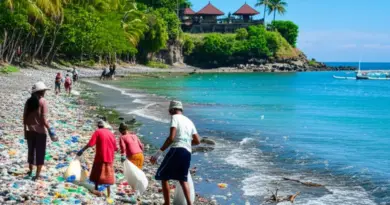
- Waste Management: Pack out everything you pack in. This includes organic waste, which often decomposes slowly in tropical environments or attracts wildlife unnaturally.
- Trail Discipline: Stay on existing paths. Creating new shortcuts damages fragile vegetation and soil structure.
- Water Safety: Use reef-safe sunscreen and biodegradable soaps, especially near coral reefs or pristine freshwater sources.
Cultural Sensitivity and Community Engagement
In remote Indonesian communities, tourism is often new. Approach with humility and respect for local adat (customary law).
- Ask Before Photographing: Never take pictures of people, especially elders or sacred ceremonies, without explicit permission. A polite request in Bahasa Indonesia goes a long way.
- Dress Appropriately: When visiting villages or religious sites, ensure shoulders and knees are covered, even if the weather is hot.
- Support Local Economy Directly: Buy food, crafts, and services directly from community members rather than relying solely on external tour operators.
By adhering to these practices, you transition from being a tourist to becoming a respectful guest, which is the key to unlocking genuine Indonesian hospitality and finding those truly special, protected places.
คำถามที่พบบ่อย (FAQ)
References
For official park regulations, always cross-reference with the Indonesian Ministry of Environment and Forestry website or official local tourism boards.
Indonesian Ministry of Environment and Forestry Official Site
Wonderful Indonesia Tourism Portal
- Off-the-Beaten-Path Indonesia: Uncovering Hidden Islands and Secret Spots for Adventurous Travelers
- Why Visit Indonesia’s Hidden Islands? Understanding the Appeal, Best Seasons, and Safety Tips for Off-Grid Exploration
- Top Lesser-Known Islands and Remote Beaches to Visit in Indonesia: Detailed Picks for Snorkeling, Hiking, Culture, and Wildlife