Marine Wildlife and Diving Highlights — Whale Sharks, Coral Reefs, Snorkeling & Diving Sites, and Responsible Wildlife Tourism Tips
- Marine Wildlife and Diving Highlights — Whale Sharks, Coral Reefs, Snorkeling & Diving Sites, and Responsible Wildlife Tourism Tips
- Indonesia: The Heart of the Coral Triangle
- Encountering Giants: Whale Sharks and Manta Rays
- Top Diving Destinations in Indonesia
- The Importance of Coral Reef Ecosystems
- Responsible Wildlife Tourism Tips for Divers
- คำถามที่พบบ่อย (FAQ)
- Q: What is the best time of year to dive in Indonesia?
- Q: Are the Whale Shark encounters in Indonesia safe?
- Q: Do I need a special certification to dive in Komodo National Park?
- Q: How can I ensure my tourism trip is responsible and sustainable?
Welcome to Indonesia, an archipelago nation that holds the undisputed title as the epicenter of global marine biodiversity. For divers and snorkelers, exploring the Marine Wildlife and Diving Highlights Indonesia offers an unparalleled adventure, from swimming alongside the gentle giants—Whale Sharks—to navigating pristine coral gardens teeming with life. This guide provides an in-depth look at the best sites, the incredible species you can encounter, and crucial tips for ensuring your visit supports responsible wildlife tourism. Prepare to dive into the heart of the Coral Triangle.
Indonesia: The Heart of the Coral Triangle
Indonesia sits squarely within the Coral Triangle, a massive marine area often called the “Amazon of the Seas.” This region boasts the highest diversity of marine life on Earth, hosting over 76% of the world’s coral species and 37% of the world’s reef fish species. This immense biological richness means that every dive here is a discovery, making it the ultimate destination for enthusiasts seeking spectacular coral reefs and vibrant ecosystems.
Why Indonesia is a Marine Megalopolis
- Over 500 species of reef-building corals.
- Six of the world’s seven marine turtle species.
- Vast populations of pelagic species, including tuna, sharks, and rays.
Encountering Giants: Whale Sharks and Manta Rays
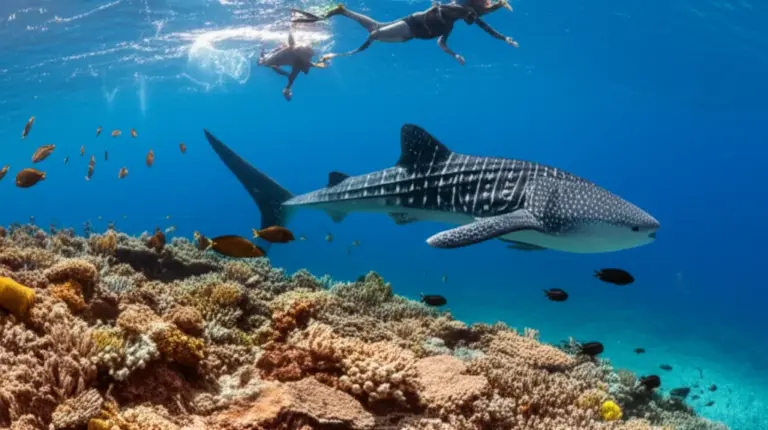
The dream of many divers is a close, respectful encounter with the ocean’s behemoths. Indonesia delivers these moments regularly. Whale Sharks, the largest fish in the sea, are filter feeders and generally non-aggressive, offering truly bucket-list snorkeling and diving opportunities. Manta Rays, known for their majestic, balletic movements, congregate at cleaning stations across the archipelago.
Key Whale Shark Sightings Spots
| Location | Highlight | Best Time to Visit |
|---|---|---|
| Cenderawasih Bay, West Papua | Reliable year-round sightings, often seen feeding near local fishing platforms (bagans). | Year-round, peaks May to October |
| Talisa Island, Gorontalo | Seasonal sightings, known for deep-water encounters. | November to April |
| Derawan Islands, East Kalimantan | Known for diverse marine life surrounding the whale shark encounters. | Year-round |
Top Diving Destinations in Indonesia
Choosing where to dive in Indonesia can be overwhelming due to the sheer number of world-class sites. However, three destinations consistently top the lists for unparalleled biodiversity and dive quality, showcasing the very best of Marine Wildlife and Diving Highlights Indonesia.
Raja Ampat: The Biodiversity Hotspot
Located off the northwest tip of the Bird’s Head Peninsula in West Papua, Raja Ampat (meaning ‘Four Kings’) is arguably the most biodiverse marine region on the planet. Divers here can expect kaleidoscopic soft corals, pygmy seahorses, wobbegong sharks, and massive schools of fish. The sheer density of species is staggering.
Komodo National Park: Dragons and Deep Dives
Famous for the endemic Komodo Dragon, the surrounding waters offer exhilarating drift dives and spectacular pelagic action. Sites like Batu Bolong and Castle Rock are renowned for massive Manta Ray aggregations, strong currents, and vibrant hard coral formations. This area requires experienced divers due to the challenging conditions, but the rewards are immense.
Bali & Gili Islands: Accessible Underwater Wonders
For those seeking accessible diving, Bali and the nearby Gili Islands (Trawangan, Meno, and Air) are perfect starting points. Bali offers the famous USAT Liberty wreck in Tulamben and seasonal Mola Mola (Ocean Sunfish) sightings near Nusa Penida. The Gili Islands are known for turtle sightings and relaxed, shallow dive sites perfect for beginners.
The Importance of Coral Reef Ecosystems
Coral reefs are not just beautiful; they are vital. They protect coastlines from erosion, support local fisheries that feed millions, and provide crucial habitat for thousands of marine species. Unfortunately, these delicate ecosystems face severe threats from climate change, plastic pollution, and unsustainable tourism. Understanding their fragility is the first step toward responsible interaction.
Responsible Wildlife Tourism Tips for Divers
To ensure that the Marine Wildlife and Diving Highlights Indonesia remain pristine for future generations, every visitor must adhere to strict ethical guidelines. Responsible tourism is not just a suggestion; it is a necessity for conservation in sensitive areas like the Coral Triangle.
Best Practices for Underwater Encounters
- Maintain Distance: Never touch, chase, or harass marine life. Maintain a minimum distance of 3 meters from Whale Sharks and Manta Rays.
- Buoyancy Control: Ensure perfect buoyancy to avoid kicking or touching corals. Even a slight brush can kill decades of coral growth.
- Reef-Safe Sunscreen: Use mineral-based sunscreens that do not contain oxybenzone or octinoxate, as these chemicals bleach corals.
- Take Only Photos: Do not remove shells, coral fragments, or any other marine objects. Leave the environment exactly as you found it.
คำถามที่พบบ่อย (FAQ)
References
- Coral Triangle Initiative on Coral Reefs, Fisheries and Food Security (CTI-CFF)
- World Wildlife Fund (WWF) on Marine Conservation
- Official Indonesia Tourism Website
- West Papua Wonders: Ultimate 8-Day Itinerary for Biak, Nabire, and Cenderawasih Bay
- Why Visit West Papua — Best Time, Travel Logistics, and Top Attractions in Biak, Nabire, and Cenderawasih Bay
- Day-by-Day 8-Day Detailed Itinerary — Flights, Transfers, Accommodation, Daily Activities, and Time Estimates for Biak, Nabire, and Cenderawasih Bay