West Papua Wonders: Ultimate 8-Day Itinerary for Biak, Nabire, and Cenderawasih Bay
West Papua, the western half of the island of New Guinea, remains one of the world’s last true frontiers for tourism. While places like Bali and Raja Ampat draw massive crowds, the regions of Biak, Nabire, and the vast Cenderawasih Bay offer an unparalleled experience defined by raw nature, profound history, and unique marine encounters. This **West Papua 8-Day Itinerary** is meticulously designed for the adventurous traveler seeking authenticity, focusing on sustainable exploration and unforgettable moments, particularly the famed whale sharks of the bay.
Travel Advisory
Travel in West Papua requires careful planning and flexibility. Logistics between islands and towns are often dependent on weather and local scheduling. Embrace the journey and the unexpected moments this incredible region offers.
Why Choose West Papua’s Untouched Triangle?
Unlike its more famous counterparts, this itinerary focuses on destinations less traveled, providing a deeper connection to Papuan culture and biodiversity. Biak offers historical intrigue from World War II, Nabire serves as the gateway to pristine rainforests, and Cenderawasih Bay is globally renowned as one of the best places to interact with whale sharks year-round.
Biak: Known for its stunning coral reefs and remnants of wartime history, Biak Island provides a soft entry point to the region. It features decent infrastructure relative to other remote areas.
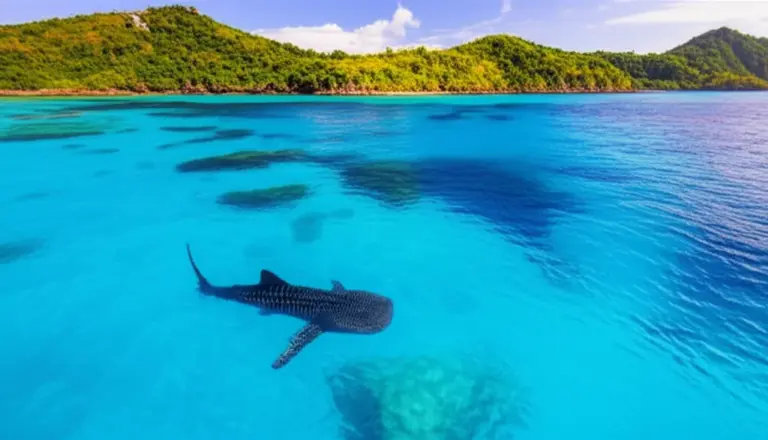
Cenderawasih Bay: The jewel of this trip. This protected marine area is one of the few places where whale sharks congregate predictably, feeding directly beneath traditional fishing platforms (bagans).
The Ultimate West Papua 8-Day Itinerary
| Day | Destination | Highlight Activity |
|---|---|---|
| 1 | Biak (Arrival) | Settle in, explore the local market, and enjoy a sunset view. |
| 2 | Biak | Japanese Caves (Goa Jepang) and Wreck Diving/Snorkeling. |
| 3 | Biak to Nabire | Morning flight/ferry transfer; logistical setup in Nabire. |
| 4 & 5 | Cenderawasih Bay | Whale Shark Snorkeling/Diving (Multiple sessions). |
| 6 | Nabire | Explore local rivers or visit a nearby nature reserve for bird watching. |
| 7 | Nabire/Biak | Return travel/contingency day; cultural visit. |
| 8 | Departure | Flight out of Frans Kaisiepo Airport (BIK) or Nabire Airport (NBX). |
Day 1: Arrival in Biak
Arrive at Frans Kaisiepo International Airport (BIK). Biak is historically significant, having been a major Japanese military base during WWII. Check into your accommodation and take a gentle stroll along the coast to acclimatize to the tropical climate. Enjoy fresh seafood at a local warung.
Day 2: Biak’s Historical Echoes and Coastal Beauty
Begin the day with a visit to the infamous Goa Jepang (Japanese Caves), a network of tunnels used by Japanese forces. This site provides a sobering look at the island’s past. In the afternoon, head to Parai Beach or Anggopi Beach for snorkeling. Biak’s surrounding waters are rich with colorful corals and historical wreck sites (like the B-17 bomber wreck) that appeal to experienced divers.
Day 3: Transfer to Nabire and Local Immersion
Travel day. Take the short flight or a longer ferry ride from Biak to Nabire (NBX). Nabire is a smaller, quieter town, primarily serving as the jumping-off point for Cenderawasih Bay National Park. Secure your local transportation and arrange for the forthcoming marine excursion. Use the afternoon to visit the local market and engage with the Papuan people.
Day 4 & 5: Cenderawasih Bay – The Whale Shark Experience
These are the pinnacle days of your **West Papua 8-Day Itinerary**. Travel by boat deep into Cenderawasih Bay. The unique aspect here is that the whale sharks gather beneath the local bagans (fishing platforms) to feed on small baitfish. Snorkeling or diving alongside these magnificent gentle giants in their natural habitat is a truly humbling and world-class wildlife encounter.
Watch a glimpse of the incredible underwater world waiting in Cenderawasih Bay:
Day 6: Nabire’s Hidden Gems
After the marine excitement, explore Nabire’s terrestrial side. Consider an excursion into the rainforests surrounding the town. This area is known for bird watching, including potential sightings of various species of Birds of Paradise, though this requires an early start and the help of an experienced local guide. Alternatively, visit the Kali Bumi River for a relaxing boat ride.
Day 7: Cultural Encounters and Relaxation
Depending on your ongoing travel schedule (return to Biak or direct departure from Nabire), use this day for cultural appreciation. Engage with the local communities, learn about traditional Papuan crafts, or simply relax and reflect on the journey. This day also serves as a crucial contingency buffer for any unexpected travel delays inherent in remote Indonesian travel.
Day 8: Departure
Depart from Nabire or Biak, carrying memories of one of the most biodiverse and culturally rich areas on Earth. The successful completion of this rigorous **West Papua 8-Day Itinerary** confirms your status as a true adventure traveler.
Essential Travel Tips for West Papua
- Permits (Surat Jalan): While requirements vary, it is wise to inquire about obtaining a Surat Jalan (travel permit) from the local police station upon arrival, especially if traveling outside major towns.
- Health: Malaria risk is present. Consult a doctor about prophylaxis. Bring ample insect repellent.
- Cash: ATMs are scarce outside of Biak and Nabire centers. Carry sufficient Indonesian Rupiah (IDR) for local guides, fees, and accommodation.
- Best Time to Visit: While Cenderawasih Bay whale sharks are year-round, the driest months (July to October) offer the best overall travel conditions.
Understanding the geography is key to navigating this region efficiently. Here is a general area map:
คำถามที่พบบ่อย (FAQ)
Is it safe to travel to West Papua?
Generally, the areas covered in this itinerary (Biak and Nabire) are safe for tourists, provided standard precautions are taken. Political tensions occasionally arise in other parts of Papua, but they rarely affect these coastal tourism centers. It is always advisable to follow local government advice and use reputable local guides.
What is the best time to see the whale sharks in Cenderawasih Bay?
Cenderawasih Bay is unique because the whale sharks are present year-round due to their feeding habits beneath the bagans (fishing platforms). There is no specific ‘season,’ making it an exceptionally reliable destination for this wildlife encounter.
Are special permits needed for travel in this region?
Foreign visitors are usually required to register with the local police upon arrival, and obtaining a Surat Jalan (travel permit) is highly recommended, especially if you plan to venture into interior or remote villages outside of Biak or Nabire town centers. Always confirm the latest requirements before departure.
References
For official information regarding travel in Indonesia and marine park regulations, please consult the following resources:
- Why Visit West Papua — Best Time, Travel Logistics, and Top Attractions in Biak, Nabire, and Cenderawasih Bay
- Day-by-Day 8-Day Detailed Itinerary — Flights, Transfers, Accommodation, Daily Activities, and Time Estimates for Biak, Nabire, and Cenderawasih Bay
- Marine Wildlife and Diving Highlights — Whale Sharks, Coral Reefs, Snorkeling & Diving Sites, and Responsible Wildlife Tourism Tips