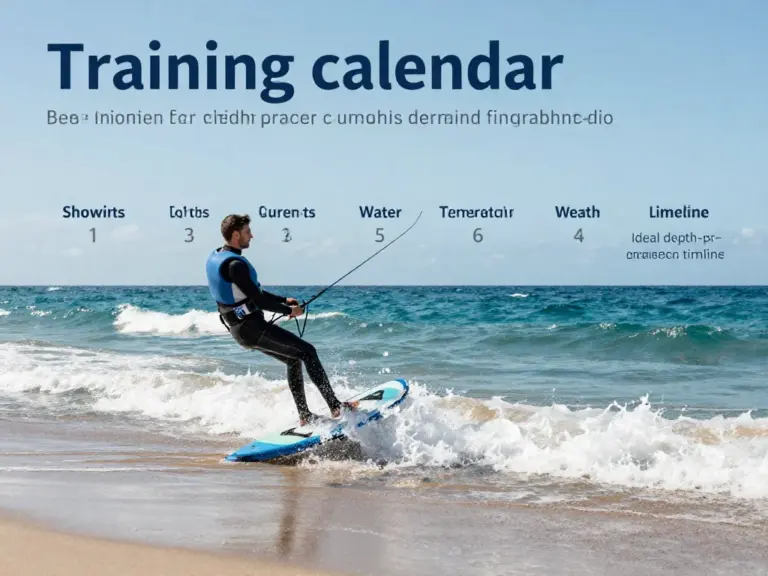
Training calendar and best months: wind, currents, water temperature, and ideal times for depth progression
Indonesia is a global epicenter for aquatic exploration, offering some of the deepest and most pristine waters on the planet. For athletes and enthusiasts focused on depth progression—whether in freediving or technical scuba diving—understanding the Training calendar and best months is critical. The archipelago’s unique position between the Indian and Pacific Oceans creates a complex interplay of wind, currents, and water temperature. To achieve peak performance and safety, one must align their training schedule with these natural cycles.
The Impact of Wind and Currents on Training
Wind is the primary architect of surface conditions. In Indonesia, the seasonal monsoons dictate the wind direction. From April to October, the Southeast Monsoon brings dry air from Australia, generally resulting in calmer seas in the northern parts of the islands but choppier conditions in the south. Conversely, the Northwest Monsoon (November to March) brings rain and wind that can disrupt boat travel and visibility.
Currents in Indonesia are largely driven by the ‘Indonesian Throughflow’ (ITF), a massive movement of water from the Pacific to the Indian Ocean. For depth progression, sites like Amed in Bali or the Gili Islands are preferred because they offer ‘blue water’ depth close to shore with relatively manageable currents compared to the high-energy channels of Komodo or Nusa Penida.
Water Temperature and Thermoclines
Temperature plays a vital role in mammalian dive reflex activation. In most Indonesian training hubs, surface temperatures hover between 28°C and 30°C. However, as you descend for depth progression, you may encounter thermoclines—layers where the temperature drops abruptly. In places like Nusa Penida, temperatures can plummet to 18°C during upwelling events (July-September). While this is great for seeing Mola Mola, it is challenging for freedivers working on relaxation at depth.
A Monthly Training Calendar and Best Months for Indonesia
To help you plan your journey, we have outlined the ideal windows for training based on historical weather patterns and water conditions across the archipelago.
| Season | Months | Conditions | Best For |
|---|---|---|---|
| Peak Dry | May – September | Low humidity, calm seas, cooler water (upwellings) | Advanced depth, consistent training |
| Shoulder | April & October | Glassy water, very light wind, high visibility | Personal Bests (PBs), photography |
| Wet Season | November – March | Higher rainfall, warmer water, occasional swells | Beginner courses, shallow drills |
The “Golden Window”: April to June
This is arguably the best time for depth progression in Indonesia. The transition from the wet to the dry season results in ‘glassy’ surface conditions, making boat sessions and buoy work incredibly stable. Visibility often exceeds 30 meters, providing the psychological comfort needed for deep dives.
Regional Focus: Where to Train?
- Amed, Bali: Known for its deep bays and lack of strong currents. Ideal year-round, but best from April to November.
- Gili Trawangan: Excellent for depth and drift dives. The currents can be strong, so timing with the tides is essential.
- Raja Ampat: While famous for biodiversity, its remote nature makes it better for experienced divers. Best from October to April.
คำถามที่พบบ่อย (FAQ)
References
- Official Indonesia Tourism Portal
- PADI – Professional Association of Diving Instructors
- AIDA International – Freediving Federation