Ethical Orangutan Encounters in Sumatra: How to Choose Responsible Guides in Bukit Lawang for a Sustainable Wildlife Experience
- Ethical Orangutan Encounters in Sumatra: How to Choose Responsible Guides in Bukit Lawang for a Sustainable Wildlife Experience
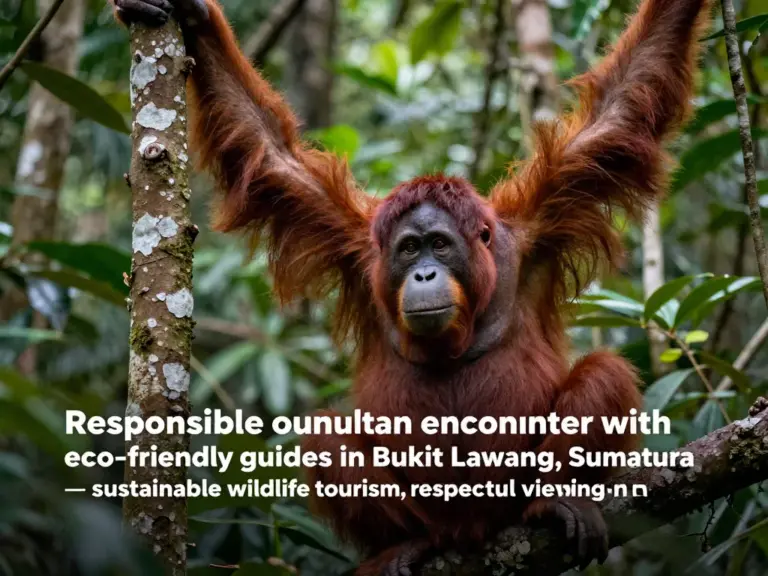
The lush rainforests of Northern Sumatra offer one of the most profound wildlife experiences on Earth: the chance to see the critically endangered Sumatran orangutan in its natural habitat. Bukit Lawang, a small village on the edge of the Gunung Leuser National Park, serves as the primary gateway for these adventures. However, as tourism grows, the need for Ethical Orangutan Encounters becomes paramount. Choosing the right guide is not just about your safety; it is about the survival of a species that shares 96.4% of our DNA.
Understanding the Impact of Tourism in Bukit Lawang
Bukit Lawang has transformed from a quiet rehabilitation center outpost into a bustling tourism hub. While tourism provides vital income for local communities, irresponsible practices can lead to disease transmission, behavioral changes in wildlife, and habitat degradation. Ethical Orangutan Encounters ensure that these primates remain wild and healthy. When humans get too close or provide food, orangutans lose their natural foraging instincts and become susceptible to human illnesses, which can be fatal to them.
How to Identify a Responsible Guide
Selecting a guide is the most critical decision you will make for your Sumatra trip. A responsible guide acts as a bridge between you and the forest, prioritizing the welfare of the animals above all else. Look for the following indicators of a high-quality, ethical guide:
- Official Certification: Ensure your guide is licensed by the Indonesia Tourist Guides Association (HPI).
- Strict No-Feeding Policy: Ethical guides will never use food to lure orangutans closer for photos.
- Maintaining Distance: A minimum distance of 7 to 10 meters should always be maintained between humans and wildlife.
- Small Group Sizes: Large crowds stress the animals. Responsible operators limit their group sizes to 6 people or fewer.
Essential Rules for Ethical Orangutan Encounters
To ensure a sustainable wildlife experience, visitors must adhere to strict protocols within the Gunung Leuser National Park. Your behavior directly impacts the environment.
| Action | Rule for Ethical Trekking |
|---|---|
| Feeding | Strictly prohibited. Never offer food or water to wildlife. |
| Noise Levels | Keep voices low to avoid startling or stressing the animals. |
| Waste Management | Pack out everything you pack in. Leave no trace of your presence. |
| Health | Do not enter the park if you are feeling ill (flu, cold, etc.). |
The Role of Sustainable Lodging in Bukit Lawang
Your choice of accommodation also plays a role in the local ecosystem. Many eco-lodges in Bukit Lawang work directly with conservation groups. By staying at establishments that prioritize waste reduction, use local materials, and employ residents fairly, you contribute to a circular economy that values the forest’s preservation over short-term exploitation.
Conclusion: Becoming a Conscious Traveler
An Ethical Orangutan Encounter is a privilege, not a right. By doing your research, asking the right questions, and respecting the boundaries of the natural world, you ensure that future generations can also witness the majesty of the ‘Person of the Forest.’ Your choices in Bukit Lawang have the power to protect Sumatra’s unique biodiversity.
คำถามที่พบบ่อย (FAQ)
Can I touch the orangutans in Bukit Lawang?
No. Touching orangutans is strictly forbidden. It is dangerous for both you and the animal, as it can lead to the transmission of diseases and alters the animal’s natural behavior.
What should I do if a guide offers to feed an orangutan?
You should firmly decline and remind the guide of the national park rules. After your trek, report the behavior to the local tourism office or the HPI to help improve standards in the area.
How much does a responsible trek cost?
Prices are generally standardized by the local guide association. While you might find ‘budget’ options, they often cut corners on ethics. Expect to pay a fair price that includes national park permits and supports local conservation efforts.
What is the best time of year for orangutan trekking?
The dry season, from October to March, is generally the best time for trekking as trails are less slippery. However, orangutans can be seen year-round.
References
- Sumatran Orangutan Society (SOS)
- Official Indonesia Tourism – Bukit Lawang
- IUCN Red List: Pongo abelii
- Why Ethical Tourism Matters: Understanding Orangutan Conservation, Local Communities, and Visitor Impact in Bukit Lawang
- How to Identify Responsible Guides and Tours: Certifications, Animal Welfare Practices, and Community-Based Partnerships
- What to Expect on an Ethical Orangutan Trek: Itineraries, Safety Protocols, Visitor Guidelines, and Minimizing Disturbance