Using Toll Roads in Java: How eToll Cards, Rest Areas, and Speed Rules Work for Drivers
Exploring the island of Java by car has become significantly easier and faster thanks to the extensive Trans-Java Toll Road network. Whether you are driving from Jakarta to Surabaya or exploring the volcanic landscapes of Central Java, understanding the logistics of Using Toll Roads in Java is essential for a stress-free journey. From payment methods to safety regulations, this guide covers everything international and local tourists need to know.
Understanding the eToll System
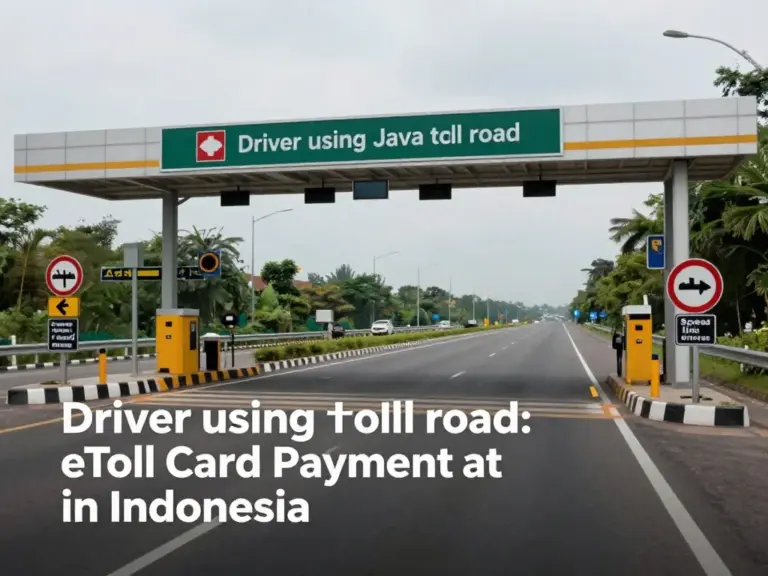
All toll roads in Indonesia, especially across Java, utilize a 100% cashless payment system. There are no manual booths that accept cash. Drivers must use an electronic money card, commonly referred to as an e-Toll card. These cards are issued by various Indonesian banks, including Mandiri (e-mony), BRI (Brizzi), BNI (TapCash), and BCA (Flazz).
You can purchase and top up these cards at Indomaret or Alfamart convenience stores, which are ubiquitous across Java. When approaching a toll gate, simply tap your card on the reader. The gate will open once the balance is deducted. Some sections use a ‘closed system’ where you tap once to enter and once to exit, while others use an ‘open system’ with a flat fee paid at the gate.
Rest Areas: Facilities and Types
Rest areas (locally known as Rest Area or TIP – Tempat Istirahat dan Pelayanan) are strategically located along the Trans-Java route. They are categorized into three types:
- Type A: Large facilities with gas stations (SPBU), restaurants, mosques, toilets, ATMs, and sometimes even mini-hotels.
- Type B: Medium facilities with toilets, small food stalls, and mosques, but usually no gas station.
- Type C: Small parking spots with basic toilets, usually only open during peak holiday seasons like Mudik (Eid).
Stopping at a rest area is highly recommended every 2-3 hours to combat driver fatigue. The food stalls (Warung) offer delicious local Javanese cuisine at reasonable prices.
Speed Rules and Traffic Regulations
Safety is paramount when Using Toll Roads in Java. The Indonesian Ministry of Transportation sets strict speed limits that are monitored by Electronic Traffic Law Enforcement (ETLE) cameras. Generally, the rules are:
| Zone | Minimum Speed | Maximum Speed |
|---|---|---|
| Expressways (Toll) | 60 km/h | 100 km/h |
| Urban Toll Sections | 60 km/h | 80 km/h |
Overtaking should only be done in the right lane. Be cautious of heavy trucks that often occupy the left and middle lanes at slower speeds. During heavy rain, it is advised to reduce speed significantly as hydroplaning is a risk on certain asphalt sections.
Emergency Assistance
If you encounter a breakdown or emergency while Using Toll Roads in Java, you can contact the toll road operator’s call center. For the state-owned operator Jasa Marga, the emergency number is 14080. There are also emergency phones located every few kilometers along the shoulder of the road.
คำถามที่พ่อยบ่อย (FAQ)
Can I use one e-Toll card for two cars?
No, usually each car must have its own card to tap in and tap out correctly, especially in closed toll systems where the entry point must match the exit point recorded on the card.
What should I do if my e-Toll balance is insufficient?
Do not panic. You can press the help button at the gate to call an officer, or in many cases, there are officers stationed nearby who can help you top up or provide a temporary solution. Do not reverse your car.
Are there many gas stations on the Trans-Java Toll Road?
Gas stations are located in every Type A rest area, which are typically spaced about 20-50 kilometers apart. However, it is wise to keep your tank at least half full.
References
Jasa Marga Official Website
Badan Pengatur Jalan Tol (BPJT)
- How eToll Cards Work in Java: Types, Where to Buy, Top-Up Options, and Common Payment Issues
- Toll Road Map and Routes Across Java: Major Expressways, Toll Plazas, Typical Distances, and Travel Time Expectations
- Rest Areas and Facilities on Java Toll Roads: Tiers of Rest Stops, Services Available, Safety Tips, and Best Stops for Families