Day 2 — Komodo National Park Highlights: Snorkeling Spots, Pink Beach, and Optimizing Your Day on a Liveaboard
Welcome to the heart of your Indonesian adventure. On Day 2 of a typical liveaboard journey, you transition from the initial excitement into the deep, immersive beauty of the UNESCO World Heritage site. This day is specifically designed to showcase the most iconic Komodo National Park Highlights, blending vibrant marine life with surreal landscapes that look like they’ve been pulled from a fantasy novel.
Morning Magic: The Iconic Pink Beach
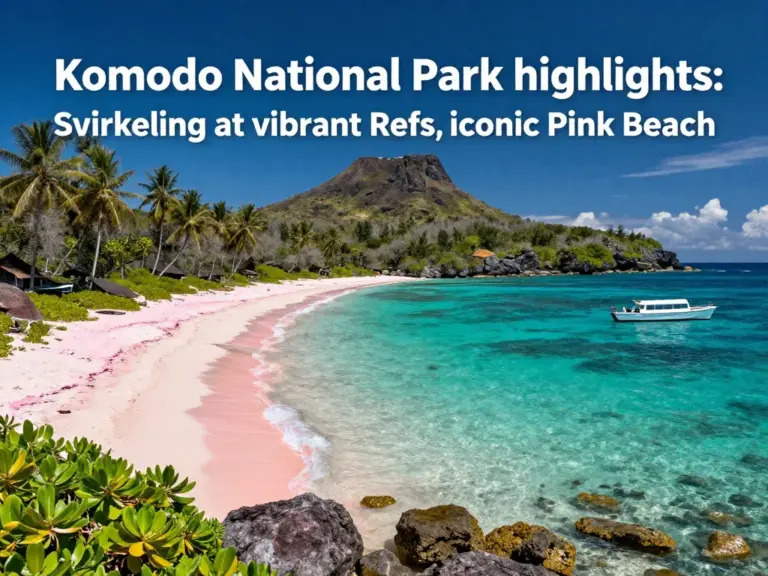
The day usually begins with a sunrise view of the coastline before heading to the world-famous Pink Beach (Pantai Merah). This isn’t just clever marketing; the sand truly possesses a soft rosy hue caused by microscopic animals called Foraminifera, which produce a red pigment on the coral reefs. When these tiny red coral fragments mix with white sand, they create the stunning pink glow that makes this one of the top Komodo National Park Highlights.
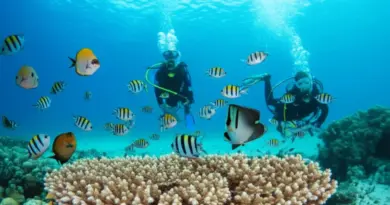
While the beach is perfect for sunbathing and photography, the real treasure lies just beneath the surface. The turquoise water is crystal clear, offering immediate access to vibrant coral gardens teeming with tropical fish. It is an ideal spot for both beginners and experienced snorkelers due to the gentle currents and high visibility.
Midday Exploration: World-Class Snorkeling Spots
After the serenity of Pink Beach, your liveaboard will likely navigate toward deeper waters. Two of the most sought-after snorkeling spots in the park are Manta Point (Karang Makassar) and Taka Makassar.
- Manta Point: This is where the magic happens. Manta rays frequent this area to feed on plankton and visit ‘cleaning stations.’ Drifting along the current while watching these majestic ‘birds of the sea’ glide beneath you is a spiritual experience.
- Taka Makassar: A tiny, crescent-shaped sandbar surrounded by a vast reef. It offers some of the most vivid blue water in the region, perfect for a mid-day dip and more snorkeling exploration.
Optimizing Your Day on a Liveaboard
Life on a liveaboard is about rhythm. To truly enjoy the Komodo National Park Highlights, you must optimize your schedule. The key is to balance activity with recovery.
| Time | Activity | Focus |
|---|---|---|
| 06:00 AM | Sunrise & Light Breakfast | Photography & Energy |
| 08:30 AM | Pink Beach Visit | Snorkeling & Relaxation |
| 12:00 PM | Lunch on Deck | Hydration & Fuel |
| 02:00 PM | Manta Point Drift | Wildlife Encounter |
| 05:30 PM | Sunset at Padar or Kalong | Scenic Views |
Optimizing your day also means managing your gear. Rinse your snorkeling mask with fresh water after every session and keep your sunscreen (reef-safe!) applied. The Indonesian sun is unforgiving, especially when reflected off the water.
Conclusion: The Essence of Komodo
Day 2 is the soul of any Komodo expedition. By combining the terrestrial wonder of Pink Beach with the aquatic majesty of Manta Point, you experience the full spectrum of what makes this park a global treasure. As the sun sets and the flying foxes take to the sky, you’ll realize that a liveaboard is the only way to truly witness these Komodo National Park Highlights in their natural, untouched state.
คำถามที่พบบ่อย (FAQ)
What is the best time of year to see Manta Rays?
While Mantas can be seen year-round, the peak season is during the dry season from May to September, and also during the rainy season (December to February) when plankton blooms are higher.
Is the sand at Pink Beach always pink?
Yes, but the intensity can vary depending on the light and how wet the sand is. It looks most vibrant during the ‘golden hour’ of sunrise or sunset, or when a wave has just receded.
Do I need to be a strong swimmer for snorkeling?
While basic swimming skills are necessary, most liveaboards provide life jackets and ‘floats.’ For drift snorkeling at Manta Point, being comfortable in moving water is a plus.
What should I bring for a day of snorkeling?
Essential items include reef-safe sunscreen, a rash guard for UV protection, a dry bag for your electronics, and an underwater camera to capture the incredible marine life.
References
- Official Indonesia Tourism – Komodo National Park Guide
- UNESCO World Heritage Centre – Komodo National Park