Tana Toraja must-sees and cultural tips: top attractions, traditional funeral sites, trekking routes, accommodation options, and respectful local customs
- Tana Toraja must-sees and cultural tips: top attractions, traditional funeral sites, trekking routes, accommodation options, and respectful local customs
Nestled high in the mountainous region of South Sulawesi, Indonesia, Tana Toraja offers an unparalleled cultural journey. This land, literally meaning ‘The Land of Toraja’, is renowned globally for its distinctive ancestral beliefs, elaborate funeral ceremonies, and iconic boat-shaped traditional houses known as Tongkonan. For travelers seeking a profound immersion into a culture where life and death are intricately woven into a vibrant tapestry, Tana Toraja is a destination that promises unforgettable experiences. This comprehensive guide will delve into the essential Tana Toraja must-sees and cultural tips, ensuring visitors can explore its top attractions, understand its traditional funeral sites, discover exciting trekking routes, find suitable accommodation options, and navigate the respectful local customs with ease. [2, 13, 23]
Discovering Tana Toraja’s Unique Attractions
Tana Toraja’s landscape is dotted with sites that reflect its rich history and spiritual beliefs. From ancient burial grounds to picturesque villages, each location tells a story. [2, 9]
Ancient Burial Sites: Lemo, Londa, and Bori Kalimbuang
The Torajan people have a unique way of honoring their deceased, often involving elaborate cliffside or cave burials. These sites are not merely graves but powerful cultural statements. [2, 9, 12, 16]
- Lemo: Famous for its ‘hanging graves’ carved into a cliff face, guarded by rows of tau-tau – wooden effigies of the deceased. These figures watch over the rice fields, representing the noble families buried within. [2, 9, 16]
- Londa: This site features deep limestone caves filled with coffins and bones, offering a more intimate, albeit eerie, glimpse into Torajan burial traditions. Guides with lanterns are often available to lead visitors through the dark passages. [2, 6, 9, 20]
- Bori Kalimbuang: A megalithic site featuring ancient stone pillars (menhirs) erected to commemorate important funeral ceremonies. It also houses ‘baby trees’ where infants who died before teething were traditionally buried. [2, 10]
Traditional Villages: Kete Kesu and Palawa
These villages are living museums, showcasing the iconic Tongkonan houses and the enduring Torajan way of life. [2, 7, 9]
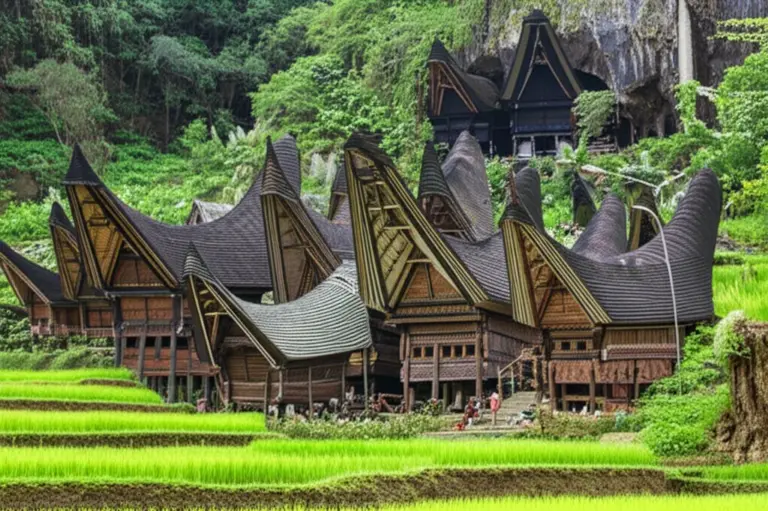
- Kete Kesu: One of the most famous and well-preserved traditional villages, recognized for its rows of intricately carved Tongkonan houses and adjacent burial caves. It’s often a site for major ceremonies. [2, 7, 9, 10]
- Palawa: An underrated gem offering some of the best-preserved Tongkonan houses, adorned with buffalo horns and skulls, providing excellent photographic opportunities away from larger crowds. [2, 9]
Natural Wonders: Batutumonga and Ollon Valley
Beyond its cultural sites, Tana Toraja boasts breathtaking natural beauty, with lush rice terraces and panoramic mountain views. [2, 19]
- Batutumonga: Located high on Mount Sesean, this area offers spectacular panoramic views of the entire Toraja valley, especially at sunrise. It’s also a starting point for various treks. [2, 19, 29]
- Ollon Valley: Though less frequently visited, Ollon Valley provides stunning vistas of rolling hills and pristine nature, perfect for those seeking tranquility and off-the-beaten-path exploration.
Understanding Torajan Funeral Ceremonies: A Cultural Deep Dive
The elaborate funeral ceremonies, known as Rambu Solo’, are central to Torajan culture and a profound aspect of the Tana Toraja must-sees and cultural tips. They are not merely funerals but grand celebrations of life and the transition to the afterlife, often lasting for days and involving hundreds of guests and animal sacrifices. [2, 11, 16, 22]
The Significance of Rambu Solo’
In Torajan belief, death is a gradual process, and the deceased is considered ‘sick’ or ‘sleeping’ until the funeral ceremony is performed. This can mean keeping the body, sometimes mummified, in the family home for months or even years while preparations are made and funds are gathered. The ceremonies involve ritualistic chants, traditional dances, and the sacrifice of numerous water buffaloes and pigs, believed to assist the deceased’s soul on its journey to Puya (the afterlife). [2, 11, 18, 21]
Respectful Attendance Tips
Attending a Rambu Solo’ can be a deeply moving experience. Visitors are generally welcome, but it’s crucial to approach with respect and cultural sensitivity. [2, 26]
- Bring a Gift: It’s customary to bring a small offering to the grieving family, such as cigarettes, sugar, or a small amount of money. [2, 26]
- Dress Modestly: Wear conservative clothing that covers your shoulders and knees. [13]
- Ask Permission: Always ask permission before taking photographs, especially of people. Be discreet and avoid being intrusive. [13, 26]
- Hire a Local Guide: A local guide can provide invaluable insights, help with etiquette, and facilitate respectful interaction with the community. [12, 13, 26]
Ma’Nene Ceremony
Another fascinating, albeit less frequent, ritual is the Ma’Nene ceremony, where ancestral corpses are exhumed, cleaned, and redressed in new clothes, reinforcing the strong bond between the living and the dead. This usually happens every few years in August. [2, 11, 15]
Trekking Through Tana Toraja’s Lush Landscapes
Tana Toraja’s highlands offer stunning trekking opportunities, winding through rice paddies, coffee plantations, and traditional villages. It’s a fantastic way to experience the region’s natural beauty and daily life. [6, 19, 29]
Popular Trekking Routes and Difficulty Levels
Routes vary from easy walks to multi-day expeditions, catering to different fitness levels. [19, 29]
- Rantepao to Batutumonga: A popular day trek offering incredible views and passing through several traditional villages. [2, 19, 29]
- Around Kete Kesu and Palawa: Shorter, easier walks that combine cultural sightseeing with scenic village paths. [19]
- Mount Sesean: A more challenging hike to the peak for 360-degree views of the valley, often done at sunrise. [2, 28]
What to Expect on a Torajan Trek
Treks often lead through remote areas where you can witness local farming practices, interact with villagers, and discover hidden burial sites. Bringing comfortable shoes, insect repellent, and a small backpack with water is recommended. [19, 29]
Accommodation Options in Tana Toraja
While Tana Toraja is not known for luxury resorts, it offers a range of comfortable and authentic accommodation choices, primarily centered around Rantepao. [3, 4, 5]
From Homestays to Hotels: Where to Stay
- Homestays: For an immersive cultural experience, consider a homestay. Places like Ruraraya Homestay or Rosalina Homestay offer traditional Torajan-style rooms and a chance to interact closely with local families. [3, 4, 5, 14]
- Mid-Range Hotels: Rantepao has several hotels offering comfortable amenities. Luta Resort and Toraja Heritage Hotel are popular choices, often featuring traditional Torajan architecture. [3, 4, 5]
- Budget-Friendly Options: Hotels like Hotel Pison or Hotel Indra in Rantepao provide basic but clean accommodation for budget travelers. [3]
Booking Tips
It’s advisable to book accommodation in advance, especially during peak season (July-August), when funeral ceremonies are more frequent. Online platforms like Agoda and Booking.com list many options. [4, 5]
Respectful Local Customs and Etiquette
Understanding and respecting local customs is paramount for a meaningful visit to Tana Toraja. The Torajan people are generally warm and welcoming, but adherence to their traditions is highly appreciated. [2, 13]
General Etiquette for Visitors
- Modesty in Dress: As mentioned, conservative attire is best, especially when visiting sacred sites or attending ceremonies. [13]
- Photography: Always ask for permission before photographing people, and be subtle. Avoid using flash in dimly lit sacred areas. [13, 26]
- Entering Homes/Tongkonan: If invited into a Tongkonan, remove your shoes before entering. [15]
- Greetings: A simple ‘Halo’ or ‘Apa kabar?’ (How are you?) will often be met with a friendly response. [2]
Engaging with Locals
Torajans are known for their hospitality. Engaging with them, perhaps over a cup of local coffee, can enrich your experience significantly. A local guide can facilitate these interactions, providing context and translation. [13, 29]
Tana Toraja is more than just a destination; it’s a living cultural narrative that invites respectful exploration. By understanding its unique traditions and engaging with its people, visitors can unlock the true essence of this extraordinary corner of Indonesia. The blend of spiritual ceremonies, stunning landscapes, and warm hospitality makes Tana Toraja a truly unforgettable journey for any traveler. These Tana Toraja must-sees and cultural tips are designed to help you navigate this incredible region and create lasting memories. [2, 13, 23]
คำถามที่พบบ่อย (FAQ)
References
- The World Travel Guy: Tana Toraja Indonesia: Travel Guide & Best Things To Do
- Discover Your Indonesia: The Best Hotels in Tana Toraja For Your Highland Holiday
- Agoda: 11 Best Hotels in Tana Toraja, Indonesia
- Booking.com: Where To Stay in and around Tana Toraja, Indonesia
- Discover Your Indonesia: 14 Unusual and Exciting Things to Do in Tana Toraja
- Traveloka: Top Things to Do & Best Places in Tana Toraja Regency 2025
- Journey Beyond Horizon: The Ultimate Tana Toraja Travel Guide
- Time Travel Bee: Visiting Tana Toraja by yourself
- Authentic Indonesia: 5 Unique Culture and Traditions of Tana Toraja
- Indonesia’d: Sulawesi Travel Musts: Witness the Burial Rites and Sites of Tana Toraja
- What’s New Indonesia: Tana Toraja
- Airbnb: Kabupaten Tana Toraja Holiday Rentals & Homes
- TravelLocal: Exploring the traditions and culture of Tana Toraja
- Kelas Vakansi: Tana Toraja Travel Guide: A Cultural Paradise in South Sulawesi
- YouTube: YOU MUST KNOW! 7 ICONIC & HISTORIC TOURIST SPOTS IN TANA TORAJA!
- Museum of Wander: Tana Toraja funeral Sulawesi Indonesia
- Beyond the Bucketlist: Tana Toraja Funerals: How to Visit Ethically
- Gunung Bagging: Buntu Ambeso
- IndoGlobal Adventure: Toraja Trekking Tour
- Two Weeks in Sulawesi: The Ultimate 14-Day Route for Tana Toraja, Togian Islands, and Makassar
- Day-by-day Sulawesi itinerary overview: how to allocate 14 days between Makassar, Tana Toraja, and the Togian Islands for optimal travel flow and logistics
- Getting to each destination: best transport options (flights, ferries, private driver) plus travel time, costs, and booking tips for Makassar → Tana Toraja → Togians