Top Trails in Sumatra: Bukit Lawang, Kerinci Seblat, Gunung Leuser and Multi-Day Jungle Routes (difficulty, duration, best seasons)
- Top Trails in Sumatra: Bukit Lawang, Kerinci Seblat, Gunung Leuser and Multi-Day Jungle Routes (difficulty, duration, best seasons)
Sumatra, the sixth-largest island in the world, is a true frontier for adventure tourism. For those seeking raw, untamed wilderness, the island offers unparalleled biodiversity and some of Southeast Asia’s most challenging and rewarding treks. Navigating the **Top Trails in Sumatra** requires careful planning, as the terrain varies dramatically from dense lowland rainforests teeming with wildlife to high-altitude volcanic slopes. This comprehensive guide breaks down the crucial elements—difficulty, duration, and seasonal windows—for the three titans of Sumatran adventure: Bukit Lawang, Kerinci Seblat, and the vast Gunung Leuser National Park.
Sumatra’s Big Three: The Must-Know Trekking Hubs
The core of Sumatran trekking lies within its protected areas. While hundreds of smaller routes exist, these three hubs form the backbone of any serious itinerary, each offering a profoundly different experience.
1. Bukit Lawang & Gunung Leuser National Park: The Gateway to Orangutans
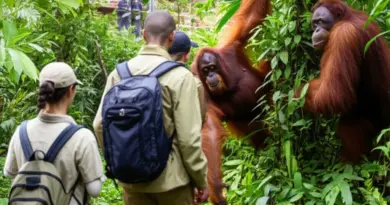
Bukit Lawang, located on the eastern edge of Gunung Leuser National Park (GLNP), is the most accessible and famous starting point. The primary draw here is the chance to see wild Sumatran orangutans in their natural habitat. Treks are generally less physically demanding than high-altitude climbs, focusing instead on navigating humid, slippery jungle paths.
Difficulty and Duration
- Difficulty: Easy to Moderate. Trails involve significant elevation gain/loss but are generally well-trodden paths.
- Duration: Day trips are common, but 2-day/1-night jungle camps offer deeper immersion.
- Terrain Focus: Dense primary and secondary rainforest, river crossings.
For those seeking a deeper, more challenging immersion within GLNP, multi-day expeditions (4 to 7 days) can take you far from the tourist track toward the park’s interior, demanding higher fitness levels and better logistical support.
2. Kerinci Seblat National Park: Summiting Sumatra’s Highest Peak
Kerinci Seblat National Park (KSNP) is home to Mount Kerinci, the highest volcano in Indonesia (3,805m / 12,484 ft). This trek is a serious undertaking, requiring good cardiovascular fitness and acclimatization planning. Unlike the lush, humid lowlands of Leuser, Kerinci offers a progression through distinct ecological zones, culminating in the stark, rewarding views from the active crater rim.
Difficulty and Duration
- Difficulty: Strenuous/Hard. Significant altitude gain over two days. The final ascent is steep, often involving scree or loose volcanic soil.
- Duration: Typically 2 days/1 night (overnight at the designated camp) or 3 days/2 nights for a more relaxed pace.
- Terrain Focus: Cloud forest, sub-alpine scrub, volcanic scree.
The experience here is less about spotting specific wildlife (though Sumatran tigers and rhinos inhabit the park) and more about conquering the summit. Proper cold-weather gear for the summit night is essential, even near the equator.
Deep Dive into Multi-Day Jungle Routes & Logistics
When planning the **Top Trails in Sumatra**, the length of the commitment directly impacts preparation. Multi-day routes require advanced packing and mental fortitude. Here is a comparative overview of what to expect:
| Route Area | Typical Duration | Primary Challenge | Wildlife Highlight |
|---|---|---|---|
| Bukit Lawang (Deep Trek) | 3 – 5 Days | Humidity, Navigation, River Crossings | Orangutans, Siamang Gibbons |
| Kerinci Summit | 2 Days | Altitude Sickness, Cold Temperatures | Cloud Forest Flora, Volcanic Views |
| Leuser Interior (Remote) | 5 – 7 Days | Isolation, Logistical Complexity | Elephants, Rare Birds |
Evaluating Difficulty and Duration
Fitness is relative in the jungle. A 3-day trek in the humid, muddy lowlands of Leuser can be more exhausting than a 2-day ascent of Kerinci, where altitude is the main factor. Always be honest about your endurance level. For Kerinci, aim to be capable of hiking 6-8 hours uphill with a heavy pack. For Leuser, focus on hydration management and stream crossing stability.
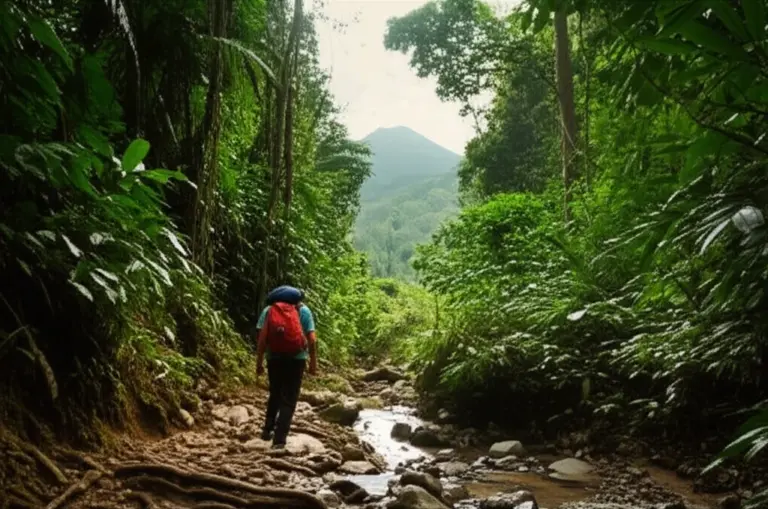
To give you a visual sense of the incredible jungle immersion available, here is a look at the stunning environment you can expect:
Understanding the Best Seasons for Trekking
Sumatra operates on a tropical monsoon climate, meaning rain is a constant possibility. However, there are distinct peaks and troughs in rainfall that heavily influence trail conditions.
- Peak Dry Season (May to September): This is universally considered the best time to tackle the Top Trails in Sumatra. Rainfall is significantly lower, meaning trails are less muddy, river crossings are safer, and visibility (especially for Kerinci’s summit) is higher.
- Shoulder Seasons (April & October): These months can offer fewer crowds and still relatively good weather, but expect more unpredictable afternoon downpours.
- Wet Season (November to March): Trekking is still possible, but expect heavy, sustained rain, leading to severely waterlogged trails, increased leech activity, and potentially dangerous flash floods in river valleys. Some remote routes may become impassable.
Essential Gear and Safety for Sumatran Treks
Expert preparation prevents poor performance. Beyond the standard hiking kit, Sumatran treks demand specific attention to protection against insects and moisture. Always pack high-strength repellent, waterproof everything (dry bags are non-negotiable), and sturdy, broken-in waterproof boots. For Kerinci, thermal layers are mandatory for the summit push.
Trusting your local guide is paramount. They are your primary source of safety information regarding wildlife encounters, trail markers, and emergency procedures. Never attempt deep jungle excursions without professional, licensed accompaniment.
Planning Your Expedition: Permits and Guides
Access to both Gunung Leuser and Kerinci Seblat National Parks is strictly controlled. You cannot simply hike in solo. Permits must be secured in advance through registered tour operators or park offices. While Bukit Lawang’s entry points are well-managed, multi-day treks into the deeper zones of Leuser require specialized permits that can take several weeks to process.
Knowing the general location of these parks helps visualize the journey across the island:
Whether you seek the intimate wildlife encounters of Bukit Lawang or the high-altitude challenge of Kerinci Seblat, preparing for the unique demands of the humid, biodiverse environment is key to conquering the Top Trails in Sumatra successfully.
คำถามที่พบบ่อย (FAQ)
Below are answers to common queries regarding Sumatran trekking logistics.
References
- Official Gunung Leuser National Park Information Portal
- Kerinci Seblat National Park Management Authority
- Indonesian Tourism Board: Sumatra Adventure Guide
- Trekking in Sumatra: The Best Trails and Conservation Tours for Eco-Conscious Adventurers
- Why Choose Sumatra for Trekking and What to Expect from Its Ecosystems and Wildlife
- Conservation Tours and Responsible Trekking: How to Support Orangutan Rehabilitation, Local Communities and Anti-Poaching Efforts