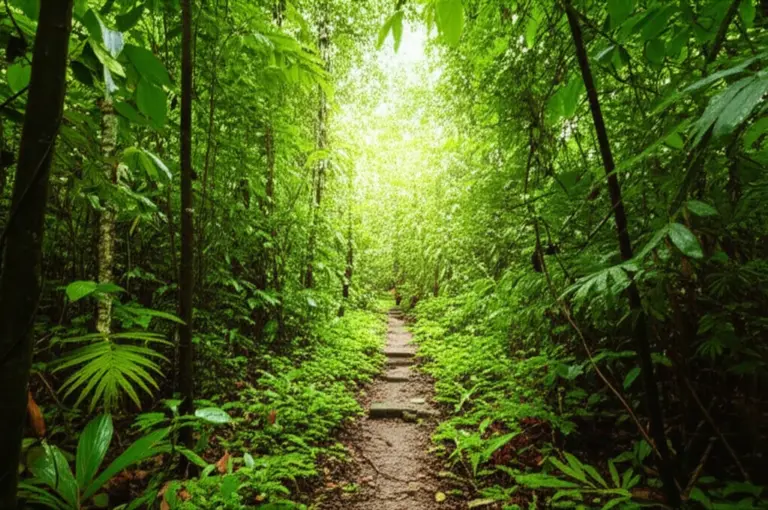
Trekking in Sumatra: The Best Trails and Conservation Tours for Eco-Conscious Adventurers
- Trekking in Sumatra: The Best Trails and Conservation Tours for Eco-Conscious Adventurers
Sumatra, the sixth-largest island in the world, remains one of Southeast Asia’s last great wilderness frontiers. For the discerning traveler focused on sustainability and deep immersion, trekking in Sumatra offers unparalleled opportunities to witness biodiversity found nowhere else. This guide delves into the best trekking routes in Sumatra, focusing specifically on operators and trails that prioritize conservation and respect for local cultures. If your adventure must align with your ethics, prepare to explore the emerald heart of Indonesia responsibly.
Sumatra’s Prime Trekking Destinations: Where Adventure Meets Conservation
The island is vast, but its conservation efforts are concentrated in a few key ecological zones. These areas are managed under strict environmental guidelines, ensuring that your adventure contributes positively to their preservation.
1. Bukit Lawang: The Gateway to Orangutan Encounters
Bukit Lawang, located on the edge of Gunung Leuser National Park, is perhaps the most famous starting point for Sumatran treks. It is renowned for providing the most accessible and reliable wild orangutan sightings in the world. Eco-conscious adventurers must understand that these are not zoos; sightings depend on the animals’ natural roaming patterns.
Ethical Guidelines for Bukit Lawang
To maintain the integrity of the ecosystem, reputable tour operators enforce strict rules: no feeding, maintaining a minimum distance of 10 meters, and keeping noise levels low. Supporting guides trained in these protocols is paramount.
For an immersive experience, consider booking a multi-day trek that includes camping deep within the jungle, far from the main tourist paths. This minimizes daily impact on the primary viewing areas.
Location Focus: Bukit Lawang Base Camp
2. Gunung Leuser National Park: Deep Jungle Immersion
For those seeking true wilderness, multi-day expeditions into the core of Gunung Leuser National Park are essential. This UNESCO World Heritage site is one of the most biodiverse places on Earth, home not only to orangutans but also Sumatran tigers, rhinos, and elephants. These treks require high fitness levels and are strictly guided, often involving river crossings and dense primary rainforest navigation.
3. Harau Valley (West Sumatra): Dramatic Limestone Peaks
While Leuser is for deep jungle immersion, the Harau Valley offers a different kind of trekking experience focusing on geology and local Minangkabau culture. Treks here are shorter, often involving hiking between towering limestone cliffs (some used by rock climbers) and visiting traditional villages nestled in verdant rice paddies. This area highlights cultural sustainability alongside natural beauty.
Beyond the Summit: Essential Eco-Conscious Touring
Being an eco-conscious adventurer means going beyond just picking a trail; it means choosing *how* you travel. In Sumatra, this translates directly into supporting genuine conservation efforts rather than simple tourist traps.
Choosing Certified Conservation Tours
Look for tour operators explicitly stating their commitment to the Leuser Ecosystem Protection Initiative or those that partner directly with local ranger posts. A truly ethical tour operator will clearly outline where your money goes: park fees, guide wages, and community support projects.
| Ethical Indicator | What to Look For |
|---|---|
| Guide Training | Guides certified in first aid and wildlife monitoring. |
| Waste Management | Mandatory ‘pack it in, pack it out’ policy. |
| Community Fee | Direct revenue sharing with villages near the park entrance. |
Responsible Wildlife Viewing Etiquette
The welfare of the Sumatran Orangutan depends entirely on respectful observation. Never attempt to touch, feed, or follow an orangutan without the explicit, sanctioned direction of your guide. The goal is to observe their natural behavior in their habitat, not to interrupt it for a photo opportunity.
Preparing for Your Sumatran Expedition
Sumatra’s environment is challenging: it is hot, humid, and often wet. Proper preparation is crucial for both safety and minimizing environmental impact.
Gear Essentials for Humid Climates
Forget heavy cotton. Quick-drying synthetics or merino wool are your best friends. Essential items include:
- Lightweight, waterproof hiking boots (broken in!).
- High-quality insect repellent (DEET recommended for deep jungle).
- Water purification tablets or a reliable filter system.
- A compact, reusable water bottle (plastic reduction is key).
Safety and Local Guides
Never venture into the deep jungle, especially near Leuser, without a licensed local guide. They possess vital knowledge regarding weather patterns, snake identification, and navigation. Using local expertise directly supports the local economy and ensures your safety. For an overview of the sheer thrill involved in navigating these environments, watch this experience recap below:
Remember, the most rewarding experiences come from those who respect the environment’s inherent wildness.
The Ultimate Sumatran Trekking Itinerary Overview
To help structure your trip, here is a comparison of the main trekking styles available across the island, focusing on environmental impact versus wildlife density.
- Short & High-Density (Bukit Lawang): Ideal for 1-2 day trips. High probability of seeing orangutans. Moderate environmental impact due to higher tourist volume.
- Deep Immersion (Leuser Core): Requires 3-7 days. Lower human traffic, maximizing chances of seeing rare fauna (like Sumatran Tigers, though rare). Highest commitment to Leave No Trace principles required.
- Cultural & Scenic (Harau/Lake Toba): Focuses on landscapes and village stays. Lower wildlife density but excellent for cultural exchange and appreciating the island’s unique geology.
คำถามที่พบบ่อย (FAQ)
Find quick answers to common questions regarding eco-conscious adventures in Sumatra.
A typical introductory orangutan trek in Bukit Lawang lasts between one and three days. The one-day trek usually involves a 4-6 hour jungle hike to spot wildlife and returning to a guesthouse, while multi-day treks involve deeper jungle immersion and camping by the river.
Yes, trekking in Sumatra is generally safe for solo female travelers, provided you strictly use reputable, established tour operators in areas like Bukit Lawang. Always inform someone of your itinerary and stick to established, guided routes, especially when venturing into remote parts of Gunung Leuser National Park.
The best time for trekking across most of Sumatra is during the dry season, generally spanning from June to September. While rain is possible year-round, this period offers lower humidity and less risk of trail erosion or impassable rivers.
Ethical conservation tours ensure that revenue streams, such as guide fees, accommodation bookings, and food sourcing, are directed toward the villages bordering the national parks. This provides a sustainable economic alternative to activities like illegal logging or poaching, fostering local stewardship of the environment.
References
For further reading on the critical work being done to protect Sumatra’s biodiversity, please consult these resources:
- The Leuser Ecosystem Protection Initiative
- UNESCO World Heritage Site Status for Leuser
- Rainforest Alliance Sustainable Tourism Guidelines
- Why Choose Sumatra for Trekking and What to Expect from Its Ecosystems and Wildlife
- Top Trails in Sumatra: Bukit Lawang, Kerinci Seblat, Gunung Leuser and Multi-Day Jungle Routes (difficulty, duration, best seasons)
- Conservation Tours and Responsible Trekking: How to Support Orangutan Rehabilitation, Local Communities and Anti-Poaching Efforts