How to Support Rehabilitation and Release Programs: Donations, Volunteering, and Responsible Wildlife Tourism Best Practices
- How to Support Rehabilitation and Release Programs: Donations, Volunteering, and Responsible Wildlife Tourism Best Practices
- Understanding Wildlife Rehabilitation and Release Programs
- The Power of Donations: Financial Support for Wildlife
- Volunteering Your Time and Skills
- Responsible Wildlife Tourism: A Guide for Travelers
- Best Practices for Engaging with Wildlife Programs in Indonesia
- Conclusion
- คำถามที่พบบ่อย (FAQ)
- What types of animals do rehabilitation centers in Indonesia typically help?
- How can I ensure my donation goes to a legitimate and ethical organization?
- Is it okay to visit wildlife sanctuaries or rescue centers as a tourist in Indonesia?
- What are the signs of an unethical wildlife tourism experience to avoid?
- Can responsible tourism truly make a difference for wildlife in Indonesia?
Indonesia, a nation blessed with unparalleled biodiversity, is home to countless unique species, from the majestic Sumatran tiger to the vibrant Bali starling. However, this rich natural heritage faces significant threats, including habitat loss, illegal wildlife trade, and human-wildlife conflict. In the face of these challenges, wildlife rehabilitation and release programs emerge as critical lifelines, offering hope and a second chance for countless animals. For anyone passionate about conservation, especially those interested in Indonesia tourism, understanding how to provide effective wildlife rehabilitation support is paramount. This comprehensive guide explores various avenues, from financial contributions to ethical tourism practices, empowering you to make a tangible difference.
Understanding Wildlife Rehabilitation and Release Programs
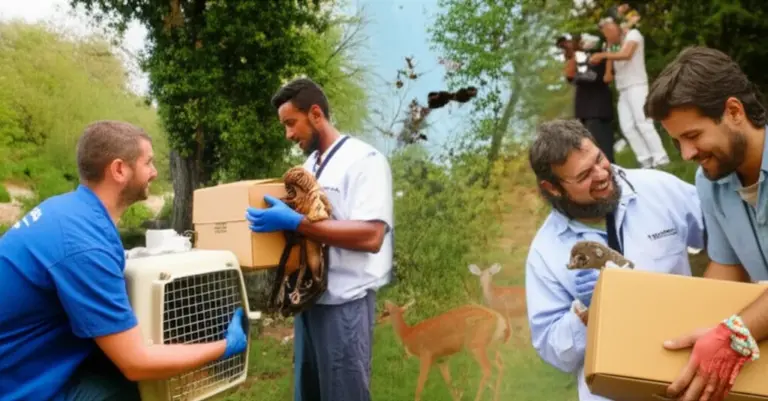
Wildlife rehabilitation centers are sanctuaries dedicated to rescuing, treating, and rehabilitating injured, orphaned, or displaced wild animals with the ultimate goal of returning them to their natural habitats. These programs are complex, requiring veterinary expertise, specialized care, and a deep understanding of animal behavior. In Indonesia, these centers play a vital role in combating the devastating effects of the illegal pet trade, rescuing animals confiscated from poachers, and caring for those impacted by deforestation.
The process typically involves initial rescue, medical assessment and treatment, long-term rehabilitation (which can include physical therapy, behavioral enrichment, and social grouping), and finally, release into a suitable and safe environment. For animals that cannot be released due to permanent injury or habituation, these centers provide lifelong sanctuary. Their work is a cornerstone of conservation efforts, directly impacting the survival of endangered species and maintaining ecological balance.
The Power of Donations: Financial Support for Wildlife
Financial contributions are the lifeblood of most rehabilitation and release programs. Running these facilities is incredibly expensive, covering everything from specialized veterinary care and medications to appropriate diets, enclosure maintenance, and the salaries of dedicated staff. Your donations provide crucial wildlife rehabilitation support that directly impacts an animal’s chance of recovery and release.
Ways to Donate:
- Direct Financial Contributions: One-time or recurring donations can be made directly to reputable organizations. Look for transparency in their financial reporting to ensure your funds are used effectively.
- Sponsorship Programs: Many centers offer programs where you can ‘adopt’ or sponsor a specific animal, receiving updates on its progress. This personal connection can be very rewarding.
- Fundraising Initiatives: Participate in or organize fundraising events. This could be anything from a charity run to selling handmade crafts, with proceeds going to a chosen rehabilitation center.
- Merchandise Purchases: Buying merchandise from a center often contributes directly to their operational costs, allowing you to show your support while getting a souvenir.
Volunteering Your Time and Skills
Beyond financial contributions, dedicating your time and skills can offer invaluable wildlife rehabilitation support. Volunteering can range from hands-on animal care to administrative tasks, and it’s an incredibly immersive way to contribute to conservation efforts in Indonesia.
| Volunteer Type | Description | Typical Tasks |
|---|---|---|
| On-Site Volunteering | Working directly at a rehabilitation center in Indonesia. This often requires a significant time commitment and can be physically demanding. | Animal feeding, enclosure cleaning, facility maintenance, assisting vets/keepers, preparing enrichment. |
| Remote/Skill-Based Volunteering | Contributing from anywhere using your professional skills. Ideal for those who cannot travel or commit to on-site roles. | Social media management, graphic design, grant writing, photography, data entry, research, educational material development. |
Before committing to a volunteer program, especially one abroad, ensure you thoroughly research the organization. Look for clear program descriptions, ethical guidelines, and transparent communication about expectations and costs. Ethical centers prioritize animal welfare over human interaction, so direct contact with wild animals might be limited, which is a sign of a good program.
Responsible Wildlife Tourism: A Guide for Travelers
For tourists visiting Indonesia, your choices can significantly impact wildlife conservation. Responsible wildlife tourism means engaging with wildlife in a way that causes no harm, supports conservation, and benefits local communities. It’s an indirect yet powerful form of wildlife rehabilitation support, preventing animals from needing rescue in the first place.
- Choose Ethical Operators: Research tour operators that prioritize animal welfare and conservation. Avoid any establishment that allows direct contact with wild animals (especially infants), offers elephant riding, or promotes performances by captive wild animals. Look for certifications from recognized ethical tourism bodies.
- Observe Wildlife Responsibly: When viewing animals in their natural habitat, maintain a respectful distance. Avoid loud noises, sudden movements, or feeding animals. Your presence should be as unobtrusive as possible.
- Say No to Harmful Interactions: Resist the urge for selfies with captive animals, especially those that appear distressed or are clearly not in their natural environment. Do not purchase souvenirs made from endangered species or their parts.
- Support Local Communities: Choose accommodations, restaurants, and guides that are locally owned and committed to sustainable practices. This ensures that tourism revenue directly benefits the people who share their land with wildlife, fostering a vested interest in conservation.
Learn More About Wildlife Rescue in Indonesia
Video showcasing the work of Cikananga Wildlife Center in Indonesia.
Best Practices for Engaging with Wildlife Programs in Indonesia
Whether you’re donating, volunteering, or simply traveling, informed choices are key to providing effective wildlife rehabilitation support. Here are some overarching best practices:
- Research and Due Diligence: Always verify the legitimacy and ethical standards of any organization before contributing. Look for transparency in their operations, clear mission statements, and positive reviews from independent sources.
- Prioritize Animal Welfare: A reputable rehabilitation center focuses on minimizing human contact to ensure animals retain their wild instincts for successful release. Be wary of places that offer excessive hands-on experiences.
- Consider Long-Term Impact: Think about how your support contributes to sustainable conservation. Does the program engage in community education, habitat protection, or anti-poaching efforts alongside rehabilitation?
By adopting these practices, you move beyond being a passive observer to becoming an active participant in safeguarding Indonesia’s incredible wildlife. Every donation, every hour volunteered, and every responsible tourism choice contributes to a brighter future for these vulnerable creatures.
Conclusion
The preservation of Indonesia’s diverse wildlife is a shared responsibility. Rehabilitation and release programs are at the forefront of this battle, working tirelessly to mend broken lives and restore wild populations. As tourists and global citizens, our actions have profound consequences. By providing thoughtful wildlife rehabilitation support through conscious donations, dedicated volunteering, and adhering to responsible wildlife tourism best practices, we can all play a crucial role in ensuring that Indonesia’s natural wonders thrive for generations to come. Your commitment helps turn the tide for countless animals, offering them the chance to return to the wild where they belong.
คำถามที่พบบ่อย (FAQ)
References
- World Animal Protection – Wildlife Tourism
- TRAFFIC – The Wildlife Trade Monitoring Network
- International Union for Conservation of Nature (IUCN)
- WWF Indonesia
- Ethical Orangutan Sanctuaries in Indonesia: Where to See and Support Rehabilitation
- Why Ethical Sanctuaries Matter: Understanding Orangutan Rescue, Rehabilitation, and Conservation Efforts in Indonesia
- Top Ethical Orangutan Sanctuaries to Visit: Profiles, Location, Admission, and Visitor Guidelines for Responsible Tourism