Ethical Orangutan Sanctuaries in Indonesia: Where to See and Support Rehabilitation
- Ethical Orangutan Sanctuaries in Indonesia: Where to See and Support Rehabilitation
Indonesia, a vibrant archipelago known for its breathtaking landscapes and rich biodiversity, is home to one of the world’s most charismatic and endangered great apes: the orangutan. For travelers passionate about wildlife and conservation, visiting Ethical Orangutan Sanctuaries in Indonesia offers a profound and responsible way to connect with these magnificent creatures. This guide will help you navigate the options for ethical orangutan tourism, ensuring your visit contributes positively to their survival and rehabilitation.
Understanding Ethical Orangutan Tourism in Indonesia
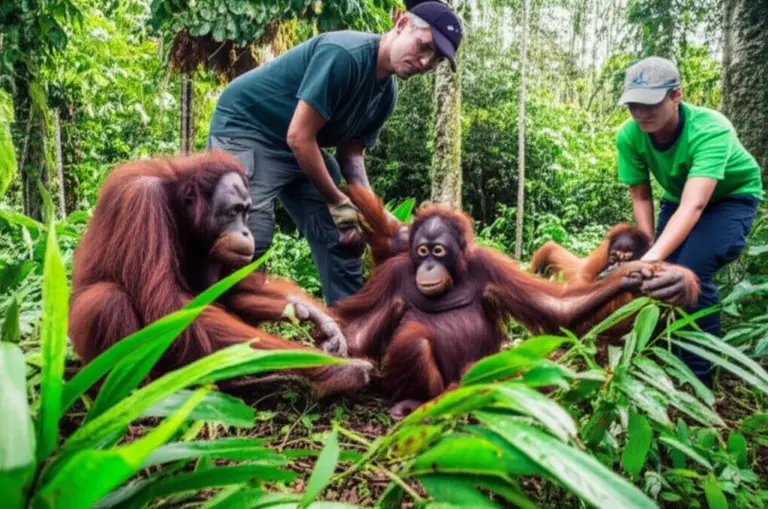
The term ‘ethical’ is crucial when considering orangutan encounters. True ethical sanctuaries prioritize the orangutan’s welfare and eventual return to the wild, or provide lifelong care for those unable to be released. This means minimal human intervention, no direct contact with the animals, and a strong focus on rehabilitation, research, and habitat protection. Responsible tourism supports these genuine conservation efforts, rather than contributing to practices that exploit orangutans for entertainment or profit. [6, 27]
- No feeding or touching of wild or semi-wild orangutans. [6, 16]
- Maintaining a respectful distance (minimum 10m). [4]
- Supporting organizations dedicated to rehabilitation and release. [5, 13, 31]
- Choosing licensed and ethical tour operators. [6, 27]
- Minimizing environmental impact (e.g., no littering, no plastic waste). [6]
Key Ethical Orangutan Sanctuaries in Borneo (Kalimantan)
Borneo, particularly the Indonesian part (Kalimantan), is a primary habitat for orangutans. Several reputable centers here offer insights into their conservation work.
Tanjung Puting National Park & Camp Leakey
Located in Central Kalimantan, Tanjung Puting National Park is arguably the most famous destination for orangutan encounters in Indonesia. Camp Leakey, established by Dr. Biruté Galdikas, is a renowned research and rehabilitation center within the park. Visitors typically explore the park via a traditional ‘klotok’ houseboat, offering a unique river safari experience. While feeding platforms are part of the historical rehabilitation process here, ethical guidelines emphasize maintaining distance and respecting the animals’ wild nature. The park’s focus is on research, rehabilitation, and educating the public about orangutan conservation. [21, 23, 25]
Samboja Lestari Orangutan Rehabilitation Centre (BOSF)
Operated by the Borneo Orangutan Survival Foundation (BOSF), Samboja Lestari in East Kalimantan is a leading rehabilitation and reforestation project. It houses over 150 orangutans on man-made islands, providing a safe environment for those unable to be released into the wild. Visitors can take guided tours, witness the dedication of the staff, and learn about the extensive rehabilitation process, which includes ‘forest schools’ where young orangutans learn survival skills. Overnight stays at their eco-lodge offer a more immersive experience, though direct contact with orangutans is not permitted. [7, 9, 10, 12, 17, 20]
Nyaru Menteng Orangutan Rescue and Rehabilitation Centre (BOSF)
Also run by BOSF, Nyaru Menteng in Central Kalimantan is the largest orangutan care center in Indonesia, caring for hundreds of orphaned and displaced orangutans. The center focuses on intensive rehabilitation, preparing orangutans for eventual release into protected forests. While not open for general public visits in the same way as Tanjung Puting or Samboja Lestari, some volunteer programs and special tours offer limited, highly controlled access to observe the rehabilitation process from a distance. The focus is strictly on the orangutans’ well-being and minimizing human interaction. [12, 24, 26, 28, 31, 42, 43]
Ethical Orangutan Sanctuaries in Sumatra
Sumatra is home to a distinct species of orangutan, also critically endangered. Ethical tourism here is equally vital.
Gunung Leuser National Park & Bukit Lawang
Located in North Sumatra, Gunung Leuser National Park is a UNESCO World Heritage Site and one of the last strongholds for Sumatran orangutans. Bukit Lawang, a village at its edge, serves as a popular gateway for jungle treks. While a former rehabilitation center here closed in 1996, the area is now known for its semi-wild orangutans that were once part of the rehabilitation program or their descendants. Ethical trekking involves using certified local guides who adhere to strict rules, such as no feeding or touching, to ensure the orangutans remain wild and healthy. [6, 16, 18, 19, 21, 22, 30]
Sumatran Orangutan Conservation Programme (SOCP) at Batu Mbelin / Orangutan Haven
The SOCP operates a crucial rescue and quarantine center at Batu Mbelin, near Medan, where confiscated or injured orangutans receive medical care and begin their rehabilitation journey. While the quarantine center itself is not open to the public to prevent disease transmission and stress to the animals, SOCP has developed the nearby ‘Orangutan Haven’. This facility provides lifelong sanctuary for orangutans that cannot be released back into the wild due to health reasons or past trauma. The Haven is designed to be open to the public, offering an educational experience to raise awareness about orangutan conservation and the threats they face. [12, 32, 36, 37, 38, 41]
How to Support Orangutan Conservation Beyond Visiting
Your commitment to orangutan conservation can extend far beyond a visit. Every action, no matter how small, contributes to their survival:
- Donate: Support reputable organizations like the Borneo Orangutan Survival Foundation (BOSF) ข้อความลิงก์, Sumatran Orangutan Conservation Programme (SOCP) ข้อความลิงก์, or Orangutan Foundation International (OFI) ข้อความลิงก์. These funds directly contribute to rescue, rehabilitation, reintroduction, and habitat protection. [5, 13, 14, 31, 32, 34]
- Adopt an Orangutan: Many organizations offer symbolic adoption programs, providing regular updates on a specific orangutan’s progress. [24, 31]
- Choose Sustainable Products: Be mindful of products containing palm oil, a major driver of deforestation in orangutan habitats. Look for certified sustainable palm oil (CSPO) or palm oil-free alternatives. [6, 36]
- Spread Awareness: Educate others about the plight of orangutans and the importance of ethical tourism and conservation.
Planning Your Ethical Orangutan Adventure
To make your trip impactful and responsible, consider these tips:
- Best Time to Visit: The dry season (May to September) is generally recommended for better trekking conditions and orangutan sightings. [21]
- Choose Ethical Tour Operators: Research and select operators with strong ethical policies and a proven commitment to conservation. Ask about their practices regarding animal interaction, waste management, and local community benefits. [6, 15, 27, 30]
- Pack Responsibly: Bring reusable water bottles, avoid single-use plastics, and pack light to minimize your footprint.
- Respect Wildlife Photography Ethics: Use long lenses, avoid flash, and never disturb the animals for a photo opportunity.
- Engage with Locals: Support local businesses and learn about the local culture, recognizing the interconnectedness of human and wildlife well-being.
คำถามที่พบบ่อย (FAQ)
Visiting Ethical Orangutan Sanctuaries in Indonesia is more than just a trip; it’s an opportunity to become an advocate for these incredible creatures and their threatened rainforest homes. By making informed, responsible choices, you contribute directly to a future where orangutans can thrive in the wild.
References
- Borneo Orangutan Survival Foundation (BOSF) Ethical Guidelines & Code of Conduct
- Borneo Orangutan Survival Foundation (BOSF) Official Website
- Ethical Jungle Trekking in Bukit Lawang with Sumatra Cheeky Monkeys
- Samboja Lestari – Wanderlog
- Nyaru Menteng Orangutan Rescue and Rehabilitation Centre – The Orangutan Project
- Top Orangutan Sanctuaries in Indonesia You Need to Visit – Jungle Inn Bukit Lawang
- Orangutan tours and tourism in Indonesian Borneo: Is it ethical? – Time Travel Turtle
- Eco-Tourism and Orangutans: How Kalimantan is Balancing Conservation and Tourism
- Sumatran Orangutan Conservation Programme (SOCP) Official Website
- The Orangutan Haven – Orangutan Outreach
- Orangutan Foundation International (OFI) Official Website
- Sustainable Tourism – Bukit Lawang trekking orangutan in lauser jungle
- Why Ethical Sanctuaries Matter: Understanding Orangutan Rescue, Rehabilitation, and Conservation Efforts in Indonesia
- Top Ethical Orangutan Sanctuaries to Visit: Profiles, Location, Admission, and Visitor Guidelines for Responsible Tourism
- How to Support Rehabilitation and Release Programs: Donations, Volunteering, and Responsible Wildlife Tourism Best Practices