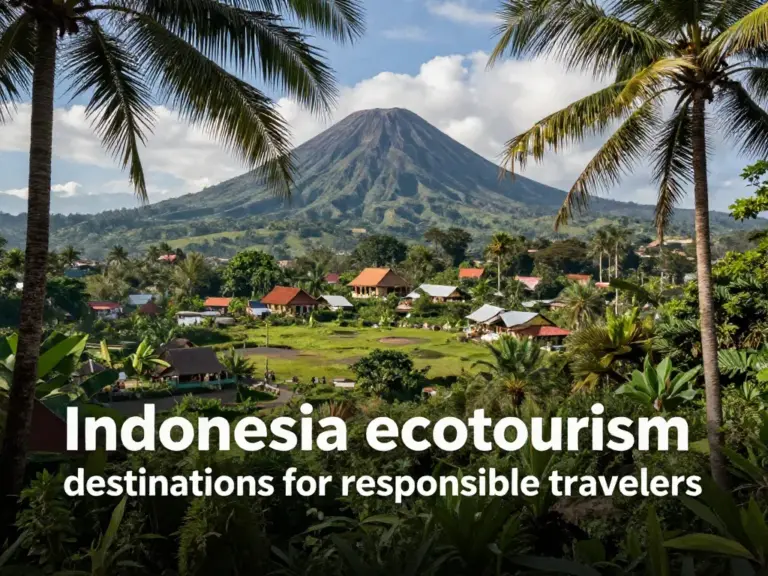
Top Ecotourism Destinations in Indonesia for Responsible Travelers
Indonesia, an archipelago of over 17,000 islands, is a treasure trove of biodiversity and cultural richness. For the conscious adventurer, finding Top Ecotourism Destinations in Indonesia for Responsible Travelers is about balancing the thrill of discovery with the imperative of conservation. As global awareness shifts toward sustainable tourism, Indonesia has stepped up, offering incredible experiences that support local communities and preserve fragile ecosystems.
Why Choose Ecotourism in Indonesia?
Ecotourism goes beyond simple sightseeing; it is an act of stewardship. By choosing destinations that prioritize environmental protection and social equity, travelers ensure that Indonesia’s stunning landscapes remain pristine for future generations. From the lush jungles of Sumatra to the vibrant coral reefs of West Papua, sustainable travel empowers indigenous communities and funds vital wildlife protection efforts.
1. Raja Ampat, West Papua: The Crown Jewel of Marine Conservation
Raja Ampat is arguably the epicenter of marine biodiversity on the planet. For responsible travelers, this region offers a unique opportunity to witness untouched coral reefs and rare marine species. Many local homestays here are community-run, ensuring that your tourism dollars directly support the local Papuan people rather than large international hotel chains.
2. West Bali National Park: Conservation in Action
While much of Bali is heavily developed, West Bali National Park remains a sanctuary for nature lovers. This protected area is crucial for the survival of the endangered Bali Starling. Visitors can engage in guided trekking and bird-watching tours led by local rangers, providing an authentic and educational experience that respects the park’s fragile boundaries.
3. Tangkoko Nature Reserve, North Sulawesi
For those interested in unique wildlife, Tangkoko is home to the charismatic Tarsier—one of the world’s smallest primates—and the black-crested macaque. Ecotourism initiatives here are deeply integrated with the community, with local guides providing essential employment and fostering a culture of conservation among the villagers who once hunted these animals.
How to Be a Responsible Traveler in Indonesia
- Support Local: Choose locally-owned homestays and eat at family-run warungs.
- Reduce Plastic: Indonesia faces significant plastic waste challenges; carry a reusable water bottle and refuse single-use plastics.
- Respect Wildlife: Never engage in activities that involve touching, feeding, or riding animals.
- Cultural Sensitivity: Dress modestly when visiting rural villages and always ask permission before taking photographs of locals.
คำถามที่พบบ่อย (FAQ)
What is the best time to visit Raja Ampat for ecotourism?
The best time to visit for diving and snorkeling is from October to April when the seas are calmest.
Are there sustainable transport options in Indonesia?
While domestic flights are common, try to use ferries or trains (in Java) to reduce your carbon footprint where possible.
How can I ensure my tour operator is eco-friendly?
Look for certifications, read reviews specifically mentioning conservation efforts, and check if they employ local guides.