What Is Ecotourism in Indonesia? Understanding the Meaning and Benefits
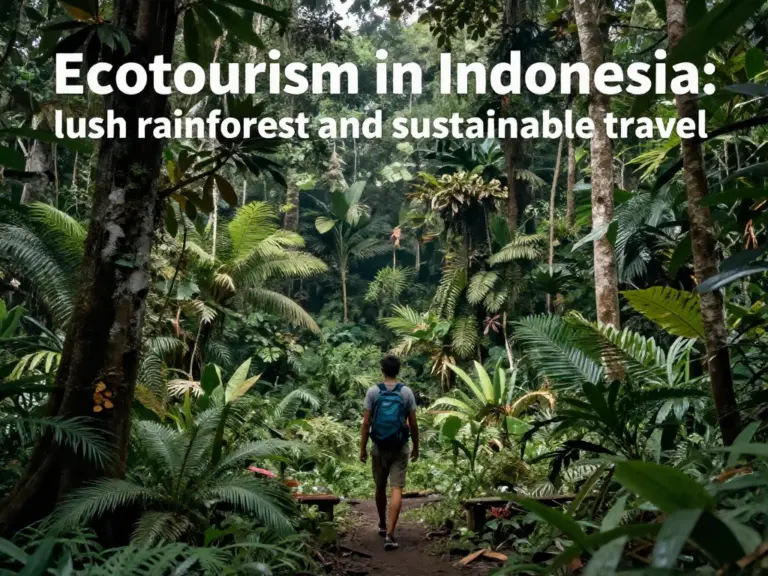
When travelers dream of the archipelago, they often think of pristine beaches and lush rainforests. But What Is Ecotourism in Indonesia, and why is it becoming the gold standard for responsible travel? At its core, ecotourism is travel that unites conservation, communities, and sustainable travel. In Indonesia, this concept is vital, as the nation is home to one of the world’s most significant biodiversity hotspots. It isn’t just about visiting nature; it is about protecting the delicate balance of ecosystems while ensuring local economies thrive.
The Definition of Ecotourism in Indonesia
To understand What Is Ecotourism in Indonesia, we must look beyond typical sightseeing. Ecotourism involves responsible travel to natural areas that conserves the environment, sustains the well-being of the local people, and involves interpretation and education. In the Indonesian context, this means moving away from mass tourism—which can often degrade coral reefs and pollute forests—toward models that prioritize the health of the land and the prosperity of the indigenous populations who call these places home.
Why Indonesia is the Perfect Hub for Eco-Travel
Indonesia’s geography makes it a unique candidate for sustainable tourism development. With over 17,000 islands, the country hosts vast rainforests, towering volcanoes, and some of the richest marine biodiversity on the planet. From the orangutans of Borneo to the pristine coral triangles of Raja Ampat, the natural capital here is immense.
The Benefits of Sustainable Tourism
| Benefit Category | Impact on Indonesia |
|---|---|
| Environmental | Reduces plastic waste and preserves natural habitats. |
| Economic | Direct revenue flows to local villages rather than foreign corporations. |
| Cultural | Promotes traditional practices and respect for indigenous heritage. |
How to Practice Ecotourism Responsibly
Understanding What Is Ecotourism in Indonesia is the first step; the second is implementation. As a traveler, your choices dictate the future of these destinations. Avoid single-use plastics, choose locally-owned accommodations, and support community-led tours. By hiring a local guide, you are directly funding the protection of that guide’s home.
Furthermore, look for certifications. Many regions in Indonesia are now adopting strict sustainability guidelines. When you visit places like Komodo National Park or the jungles of Sumatra, ensure your tour operators have proper permits and follow “Leave No Trace” principles. This ensures that the wildlife, such as the Komodo dragon or the Sumatran orangutan, remains wild and undisturbed.
The Future of Green Tourism in the Archipelago
The Indonesian government has recognized the importance of shifting toward high-value, low-impact tourism. By developing “New Balis”—destinations that are managed with sustainability in mind—the country hopes to distribute tourism revenue more evenly while safeguarding its natural treasures. This shift is essential for the long-term viability of the tourism sector in Indonesia.
คำถามที่พบบ่อย (FAQ)
Q: What is the main goal of ecotourism in Indonesia?
A: The primary goal is to promote sustainable travel that preserves natural environments and provides economic benefits to local communities, ensuring long-term conservation of biodiversity.
Q: Can I visit protected areas in Indonesia?
A: Yes, but you must usually pay an entrance fee and follow strict regulations, such as hiring a licensed guide and not leaving any waste behind.
Q: How do I know if a tour company is truly ecotourism-friendly?
A: Look for certifications, transparency in how they support local communities, and clear policies on wildlife interaction and waste management.