Traditional Dance and Performance Schedule: Tari Topeng, Zapin, and Festival Highlights
- Traditional Dance and Performance Schedule: Tari Topeng, Zapin, and Festival Highlights
- The Mystical Veil: Understanding Tari Topeng
- The Rhythmic Pulse of Zapin
- Annual Festival Highlights: Where Culture Meets Grandeur
- Planning Your Visit: Traditional Dance and Performance Schedule Tips
- คำถามที่พบบ่อย (FAQ)
- What is the best time of year to see traditional dances in Indonesia?
- Are there entrance fees for these performances?
- Can I take photos during the Tari Topeng or Zapin performances?
Indonesia is a vast archipelago where every island whispers a different story through the language of movement. For travelers seeking an authentic cultural immersion, understanding the Traditional Dance and Performance Schedule is essential. From the mystical masked movements of Java to the rhythmic footwork of the Malay-influenced Zapin, these performances are not just entertainment; they are living testaments to Indonesia’s diverse heritage. This guide provides an in-depth look at these iconic dances and highlights the festivals you simply cannot miss.
The Mystical Veil: Understanding Tari Topeng
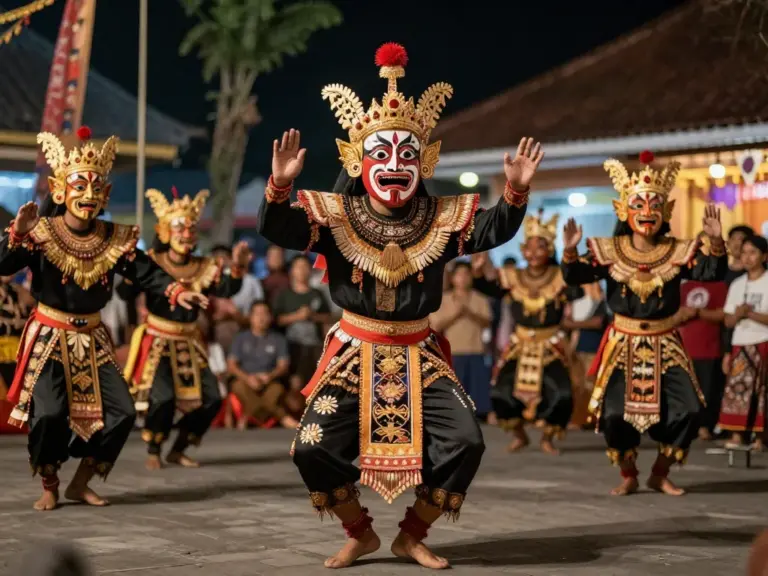
Tari Topeng, or the Mask Dance, is one of Indonesia’s most profound artistic expressions. Predominantly found in Cirebon (West Java), Bali, and Madura, this dance involves performers wearing intricately carved wooden masks that represent various characters, from noble kings to mischievous demons. In Cirebon, the Topeng Cirebon is particularly famous for its five distinct mask types, known as Panca Wanda, symbolizing the journey of human life from birth to death.
The performance is a masterclass in subtlety. The dancer must convey complex emotions without facial expressions, relying entirely on the tilt of the head, the flick of a wrist, and the precise positioning of the body. When viewing a Traditional Dance and Performance Schedule, look for ‘Topeng’ shows in cultural hubs like the Keraton Kasepuhan in Cirebon or the Ubud Palace in Bali, where these ancient stories are brought to life under the moonlight.
The Rhythmic Pulse of Zapin
Moving from the mystical masks of Java to the coastal regions of Sumatra and the Riau Islands, we encounter the energetic Zapin Dance. Originally brought by Arab traders in the 14th century, Zapin has evolved into a uniquely Malay-Indonesian art form. It is characterized by rapid footwork and a rhythmic syncopation that mirrors the accompanying gambus (lute) and marwas (drums).
Zapin was traditionally a social dance for men, but today, it is performed by both genders in vibrant, synchronized formations. It is often the highlight of weddings and religious celebrations. If you are visiting Pekanbaru or the Riau archipelago, the local Traditional Dance and Performance Schedule will frequently feature Zapin during the ‘Hari Jadi’ (Anniversary) of various cities, showcasing the region’s pride and Islamic cultural synthesis.
Annual Festival Highlights: Where Culture Meets Grandeur
To see Indonesia’s performing arts at their peak, planning your trip around major festivals is highly recommended. These events gather the best troupes from across the nation for spectacular showcases.
- Bali Arts Festival (Pesta Kesenian Bali): Held annually from mid-June to mid-July in Denpasar. This month-long event is the pinnacle of Balinese culture, featuring daily dance dramas and parades.
- Solo International Performing Arts (SIPA): Hosted in Surakarta (Solo), this festival brings together international and local performers in a massive outdoor stage setting, usually in September.
- Dieng Culture Festival: Located in the highlands of Central Java, this festival combines traditional rituals with contemporary performances, famous for the dreadlock hair-cutting ceremony and traditional ‘Lengger’ dances.
| Festival Name | Typical Month | Primary Location | Key Highlights |
|---|---|---|---|
| Bali Arts Festival | June – July | Denpasar, Bali | Massive Parades, Tari Kecak |
| SIPA | September | Solo, Central Java | Global Performance Fusion |
| Dieng Culture Festival | August | Banjarnegara, Central Java | Lengger Dance, Rituals |
| Malay Cultural Festival | October | Tanjung Pinang, Riau | Zapin Competitions |
Planning Your Visit: Traditional Dance and Performance Schedule Tips
Navigating the Traditional Dance and Performance Schedule requires a bit of local insight. While major cities like Jakarta and Yogyakarta have fixed schedules at venues like Taman Mini Indonesia Indah or the Sonobudoyo Museum, many authentic village performances are more spontaneous.
Always aim to arrive at the venue at least 30 minutes early. Traditional performances often begin with a musical overture (Gamelan or Malay ensemble) that sets the spiritual tone for the evening. Respectful attire is mandatory, especially when performances are held within palace (Keraton) grounds or temple courtyards. Engaging with a local guide can also help you understand the narrative nuances of the dance, making the experience much more rewarding.