Why Ethical Encounters Matter: Understanding Conservation, Welfare, and Local Communities in Tangkahan
Tangkahan, often referred to as the ‘Hidden Paradise’ of North Sumatra, stands as a beacon for sustainable travel in Indonesia. Nestled at the edge of the Gunung Leuser National Park, this small village has undergone a radical transformation from a logging hub to a world-renowned center for eco-tourism. Central to its appeal are the Ethical Encounters between visitors, the majestic Sumatran elephants, and the passionate local community. Understanding the delicate balance of conservation and welfare here is essential for any conscious traveler.
The Heart of Tangkahan: A Model for Conservation
The story of Tangkahan is one of redemption. Decades ago, the area was plagued by illegal logging. However, the local community realized that the preservation of their natural heritage was far more valuable than its destruction. By forming the Tangkahan Community Response Unit (CRU), they turned former loggers into forest rangers. Today, Ethical Encounters in the region support these rangers in their mission to protect the rainforest from encroachment and poaching, ensuring the survival of endangered species like the Sumatran Orangutan and Tiger.
Prioritizing Animal Welfare in the Rainforest
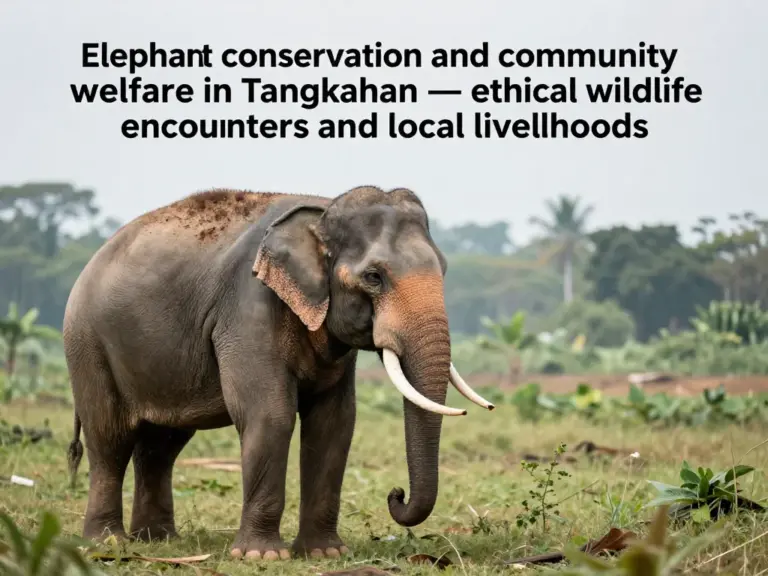
When we discuss Ethical Encounters with wildlife, welfare is the primary pillar. In Tangkahan, the captive elephants are not performers; they are partners in conservation. These elephants were often rescued from human-wildlife conflict zones where their lives were at risk. In Tangkahan, they receive professional veterinary care and a diet that mimics their natural needs. Visitors can participate in mindful activities such as river bathing or joining the mahouts (handlers) on forest patrols, which provide the elephants with necessary exercise and stimulation without the stress of traditional ‘riding’ tourism.
| Activity | Impact on Welfare | Community Benefit |
|---|---|---|
| Elephant Bathing | Hygiene and Bonding | Employment for Mahouts |
| Forest Patrols | Natural Exercise | Anti-poaching Security |
| Local Guiding | Low Impact | Income for Local Families |
Empowering Local Communities
True Ethical Encounters must include the human element. The tourism model in Tangkahan is community-based, meaning the profits stay within the village. This economic incentive is what keeps the forest standing. When you visit, you are likely staying in locally-owned guesthouses and eating at family-run warungs. This direct support empowers the people of Tangkahan to continue their role as guardians of the Gunung Leuser ecosystem, proving that conservation and community development go hand-in-hand.
Why Your Choice Matters
As a traveler, your presence acts as a vote for the type of world you want to see. Choosing Ethical Encounters in places like Tangkahan signals to the global tourism industry that there is a high demand for responsible, welfare-focused experiences. It discourages exploitative practices and encourages other regions in Indonesia to adopt similar sustainable models. By visiting Tangkahan, you aren’t just a tourist; you are a vital contributor to a living conservation project.
คำถามที่พบบ่อย (FAQ)
Q: Can I ride elephants in Tangkahan?
A: Tangkahan has moved away from traditional elephant trekking for tourism. Instead, the focus is on more ethical interactions like bathing and joining rangers on patrols.
Q: How do I get to Tangkahan?
A: Tangkahan is located about 4-5 hours from Medan, North Sumatra. Most visitors arrive via private car or public bus from Bukit Lawang or Medan.
Q: What is the best time to visit?
A: The dry season between April and September is ideal for trekking and river activities, though the rainforest is beautiful year-round.