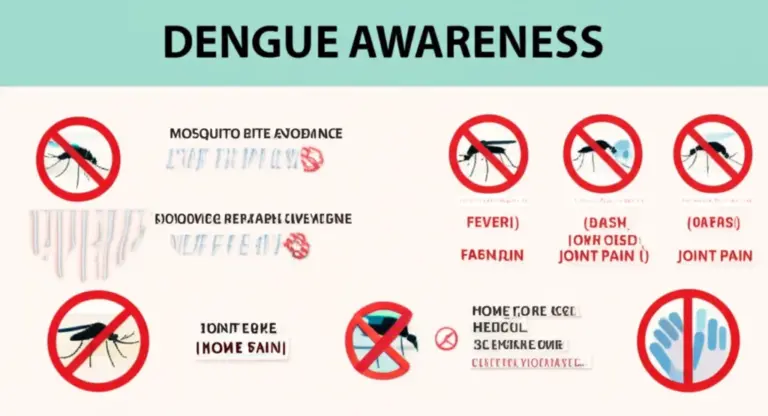
Dengue Prevention and Management: Symptoms, Bite Avoidance Strategies, and When to Seek Care
Welcome to the vibrant archipelago of Indonesia! As you plan your unforgettable adventure, ensuring your health and safety is paramount. One important aspect of travel health in tropical regions like Indonesia is understanding and preventing mosquito-borne illnesses, particularly dengue fever. This comprehensive guide will equip you with vital information on Dengue Prevention and Management, covering symptoms, effective bite avoidance strategies, and crucial advice on when to seek medical care, ensuring your trip remains joyous and healthy.
Understanding Dengue Fever: A Tourist’s Guide
Dengue fever is a viral infection transmitted to humans through the bite of infected Aedes mosquitoes, primarily Aedes aegypti. These mosquitoes are most active during the day, particularly in the early morning and late afternoon. It’s prevalent in tropical and subtropical climates worldwide, including many parts of Indonesia. While most cases are mild, severe dengue can be life-threatening, making awareness and early action critical for travelers.
What is Dengue?
Dengue is caused by one of four related viruses (DENV-1, DENV-2, DENV-3, and DENV-4). Infection with one type provides immunity to that specific type but not to the others, meaning you can get dengue multiple times. The virus cannot spread directly from person to person; it requires the mosquito vector.
Common Symptoms to Watch For
Symptoms typically begin 4–10 days after infection and can last for 2–7 days. They often resemble flu, making early diagnosis challenging. Be vigilant for the following:
- Sudden, high fever (40°C/104°F)
- Severe headache
- Pain behind the eyes
- Muscle and joint pains (often called ‘breakbone fever’)
- Nausea and vomiting
- Swollen glands
- Rash (appears 3-4 days after fever onset)
Essential Bite Avoidance Strategies in Indonesia
The most effective way to prevent dengue is to avoid mosquito bites. This is where your proactive Dengue Prevention and Management efforts truly come into play. Here are practical strategies you can implement during your stay:
Personal Protection Measures
- **Use Repellent:** Apply insect repellent containing DEET (20-50%), picaridin, oil of lemon eucalyptus, or IR3535 on exposed skin. Reapply as directed, especially after swimming or sweating.
- **Wear Protective Clothing:** Opt for long-sleeved shirts, long pants, and socks, especially during peak mosquito hours (dawn and dusk). Light-colored clothing is also recommended as dark colors can attract mosquitoes.
- **Be Mindful of Timing:** Aedes mosquitoes are most active during the day, particularly in the morning (two hours after sunrise) and late afternoon (a few hours before sunset). Exercise extra caution during these times.
Accommodation Precautions
Your choice of accommodation and habits within it can significantly reduce your risk:
- **Check for Screens:** Ensure your windows and doors have well-maintained screens to keep mosquitoes out. Keep them closed, especially during peak hours.
- **Use Bed Nets:** If sleeping in an unscreened room, or if air conditioning is not available, use a mosquito net, preferably one treated with insecticide.
- **Air Conditioning:** Air-conditioned rooms tend to have fewer mosquitoes as they prefer cooler temperatures.
- **Eliminate Standing Water:** Aedes mosquitoes breed in small collections of standing water. Report any stagnant water sources (like uncovered buckets, flower pot saucers, or old tires) around your accommodation to staff.
Watch: Dengue Fever: What You Need to Know
For more visual information on dengue, its symptoms, and prevention, watch this informative video from the World Health Organization.
Understanding is the first step to effective Dengue Prevention and Management.
When to Seek Medical Care for Dengue
While most dengue cases resolve with rest and hydration, knowing when to seek professional medical attention is crucial, especially for travelers in an unfamiliar country. Early detection of severe dengue warning signs can be life-saving.
Recognizing Warning Signs
Seek immediate medical attention if, after the fever subsides (usually 3-7 days after symptom onset), you experience any of these severe dengue warning signs:
- Severe abdominal pain
- Persistent vomiting
- Bleeding from gums or nose
- Red spots or patches on the skin
- Fatigue, restlessness, or irritability
- Difficulty breathing
What to Do If You Suspect Dengue
If you develop symptoms suggestive of dengue while in Indonesia, or shortly after returning home:
- **Consult a Doctor Immediately:** Do not self-medicate. Inform the medical professional about your recent travel history to Indonesia.
- **Stay Hydrated:** Drink plenty of fluids (water, oral rehydration solutions, fruit juices).
- **Rest:** Adequate rest is essential for recovery.
- **Avoid Aspirin/Ibuprofen:** These can increase the risk of bleeding. Use paracetamol (acetaminophen) for fever and pain relief.
Travel Smart: Additional Tips for Indonesia Tourism
Beyond direct mosquito bite prevention, a few other considerations can enhance your safety and preparedness:
- **Travel Insurance:** Ensure you have comprehensive travel insurance that covers medical emergencies and potential evacuation. This is invaluable if you need significant medical care.
- **Know Local Facilities:** Before you travel, identify reputable clinics or hospitals in your destination areas in Indonesia.
- **Stay Informed:** Monitor local health advisories, although major outbreaks are usually well-publicized.
By following these comprehensive Dengue Prevention and Management guidelines, you can significantly reduce your risk of contracting dengue fever and ensure a safer, more enjoyable journey through the beautiful landscapes and vibrant culture of Indonesia. Stay safe, stay healthy, and have an incredible trip!