- Why sustainable travel in Indonesia matters: understanding environmental, social, and economic impacts
Indonesia, an archipelago of over 17,000 islands, is a global treasure trove of biodiversity, rich cultural heritage, and breathtaking natural beauty. From the rice paddies of Ubud to the coral reefs of Raja Ampat, its allure is undeniable. However, this massive influx of tourism brings significant responsibility. Understanding sustainable travel in Indonesia is no longer optional; it is the imperative framework for preserving this paradise for future generations. This deep dive explores the critical environmental, social, and economic dimensions that define responsible tourism in the nation.
The Environmental Imperative: Protecting Fragile Ecosystems
Indonesia’s natural capital is its primary tourism asset, yet it is also its most vulnerable. Unmanaged mass tourism puts immense strain on delicate ecosystems, from coral bleaching in marine parks to deforestation driven by infrastructure development. Sustainable practices aim to minimize this footprint.
Waste Management Crisis and Marine Health
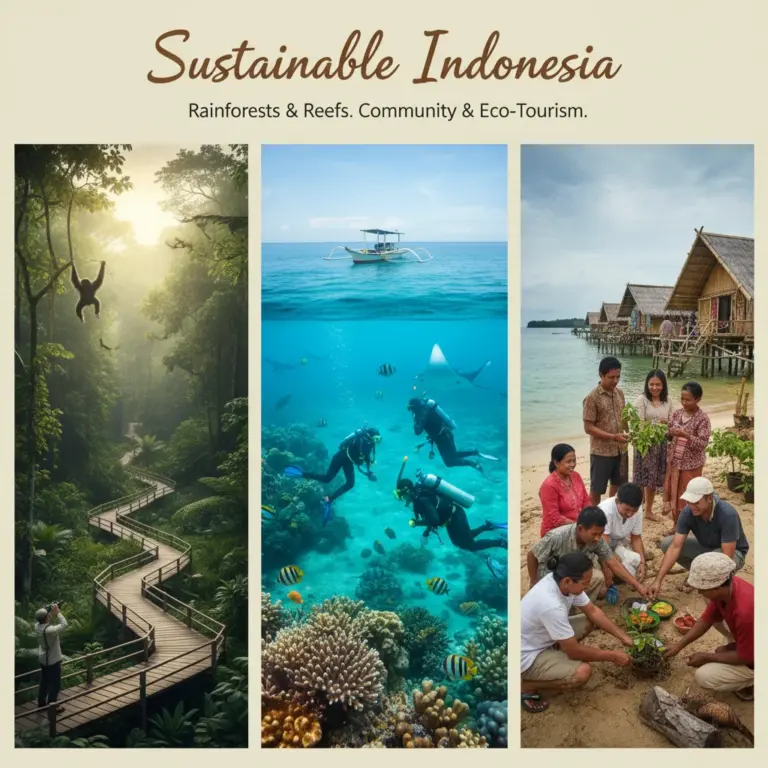
Plastic pollution is perhaps the most visible environmental challenge. Coastal areas and popular dive sites frequently suffer from inadequate waste infrastructure. Sustainable travelers prioritize reducing single-use plastics, supporting local businesses with green initiatives, and participating in clean-up efforts. Furthermore, protecting marine megafauna, such as sea turtles and manta rays, requires strict adherence to wildlife viewing guidelines, ensuring interactions are respectful and non-disruptive.
Conservation of Terrestrial Biodiversity
The archipelago is home to critically endangered species like the Sumatran tiger and Orangutan. Ecotourism, when managed correctly, can provide direct funding for anti-poaching patrols and habitat preservation. Choosing certified eco-lodges or tour operators that actively fund conservation projects directly supports the survival of these species. We must ensure that our desire to see wildlife does not lead to their exploitation or endangerment.
Social Impact: Respecting Culture and Empowering Communities
The social dimension of sustainable travel in Indonesia focuses on ensuring that tourism benefits local populations directly, preserves cultural integrity, and avoids commodification or displacement.
Community-Based Tourism (CBT)
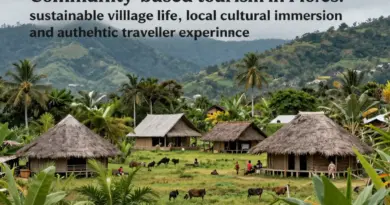
CBT initiatives shift control and revenue back to the villagers. This model ensures that tourists experience authentic local life, such as staying in homestays in villages like those around Lake Toba or in Flores, rather than solely relying on foreign-owned resorts. This fosters mutual respect and allows local traditions to be shared on their own terms.
Cultural Preservation vs. Commodification
Over-tourism can lead to the ‘Disneyfication’ of sacred sites and traditions. For example, high visitor numbers at temples like Borobudur require careful management to prevent physical degradation and maintain the spiritual significance of the site. Sustainable travelers must learn basic etiquette, dress respectfully, and ask permission before photographing people or sacred objects.
Economic Sustainability: Ensuring Fair Distribution of Wealth
The economic impact of tourism in Indonesia is vast, contributing significantly to GDP. However, if profits are overwhelmingly repatriated to international corporations, the local economy sees little long-term benefit. Economic sustainability seeks to maximize local retention of tourism revenue.
Supporting Local Supply Chains
A truly sustainable tourist dollar circulates locally. This means choosing locally owned hotels, dining at warungs (local eateries) instead of international chains, and purchasing handicrafts directly from artisans. Look for certifications or clear statements from businesses detailing their commitment to local sourcing.
Diversification Beyond Hotspots
Over-reliance on a few major hubs (like Kuta or central Bali) leads to economic imbalance and environmental stress in those areas. Sustainable promotion encourages visitors to explore emerging destinations, such as the Maluku Islands or Central Kalimantan, spreading economic benefits more equitably across the nation. This diversification reduces the pressure on over-touristed sites.
The Role of Responsible Investment
For large-scale developments, sustainability must be mandated through stringent environmental impact assessments (AMDAL in Indonesia). Responsible investors prioritize renewable energy sources, water conservation technologies, and hiring local staff at fair wages, rather than just maximizing short-term occupancy rates.
Practical Steps for the Responsible Traveler
Adopting a sustainable mindset requires conscious choices before and during your trip. Here is a brief guide on how to practice sustainable travel in Indonesia effectively:
- Offset Your Carbon Footprint: Research reputable Indonesian carbon offset programs, particularly those focused on reforestation or marine conservation.
- Choose Green Accommodation: Prioritize accommodations that explicitly state their water recycling, energy-saving, or community support policies.
- Respect Wildlife Distances: Never feed wild animals, and maintain significant distance from marine life. For example, when visiting Komodo National Park, always follow the park ranger’s instructions precisely.
- Support Local Artisans Directly: Bargain respectfully, but understand the true value of handmade goods. Avoid purchasing items made from endangered species materials (e.g., coral, specific shells).
- Learn Basic Bahasa Indonesia: A few words go a long way in fostering positive social interactions.
To visualize the stunning natural heritage we are fighting to protect, take a moment to watch this overview of Indonesia’s diverse landscapes.
The future of Indonesian tourism depends on balancing the desire for exploration with the profound need for conservation. By understanding and actively managing the environmental, social, and economic impacts, travelers become partners in the nation’s long-term prosperity and ecological health.
คำถามที่พบบ่อย (FAQ)
References
- UN World Tourism Organization (UNWTO) Tourism and Sustainability Guidelines
- World Wide Fund for Nature Indonesia Conservation Reports
- Asian Development Bank Reports on Tourism and Economic Development in Southeast Asia
- Sustainable Travel in Indonesia: Practical Tips to Minimize Your Environmental and Cultural Impact
- How to plan an eco-friendly trip: choosing destinations, transportation, and low-impact accommodations in Indonesia
- Responsible activities and wildlife interactions: best practices for beaches, forests, reefs, and cultural sites