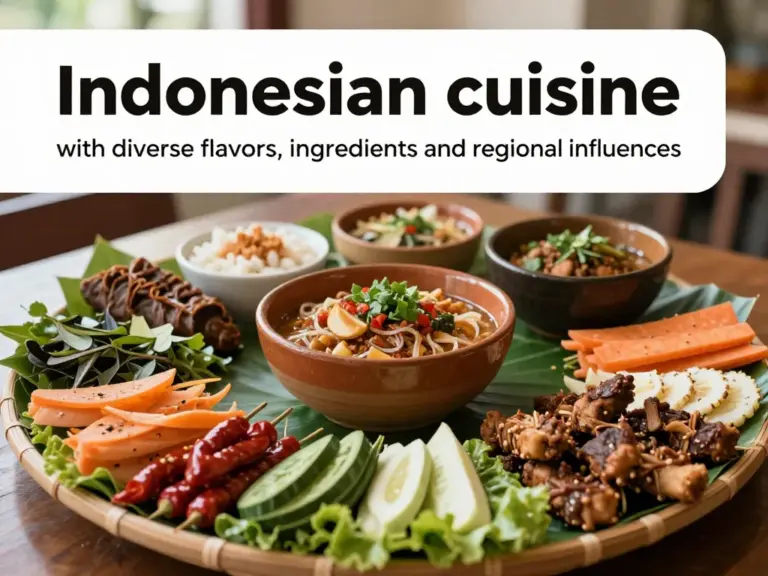
What Makes Indonesian Cuisine Unique? Key Flavors, Ingredients, and Regional Influences
- What Makes Indonesian Cuisine Unique? Key Flavors, Ingredients, and Regional Influences
When travelers ask, “What Makes Indonesian Cuisine Unique?” the answer lies in the archipelago’s vast geography, its history as a spice trade hub, and the incredible diversity of its ethnic cultures. Indonesian food is not a monolith; it is a vibrant tapestry of flavors that varies drastically from the coconut-rich curries of Sumatra to the sweet, savory delights of Java and the intense, spicy heat of Sulawesi.
The Core of Indonesian Flavors
At the heart of the Indonesian palate is a careful balance of flavors. Most dishes rely on the concept of *bumbu*—a foundational spice paste made from garlic, shallots, ginger, galangal, turmeric, and chili. This paste is sautéed to release aromatics before other ingredients are added, forming the flavor base for everything from stews to stir-fries.
Another defining characteristic is the use of fermented ingredients. *Terasi* (shrimp paste) is ubiquitous, providing a deep, umami-rich funkiness that elevates simple vegetable dishes and sambals. Speaking of sambal, no Indonesian meal is complete without this chili condiment. Whether it is *sambal matah* from Bali, known for its fresh lemongrass and shallots, or the roasted shrimp-paste version found in Java, the variety of sambals is a testament to the country’s love affair with heat and spice.
Key Ingredients That Define the Cuisine
Several ingredients act as the pillars of Indonesian culinary identity:
- Coconut Milk (*Santan*): Essential for creating rich, creamy curries and desserts.
- Galangal (*Lengkuas*): Provides a distinct, woody, and citrusy aroma unlike ginger.
- Kecap Manis: A thick, sweet soy sauce that is perhaps the most beloved condiment in the country, adding sweetness and depth to satay and stir-fries.
- Lemongrass (*Sereh*): Used abundantly to provide a bright, citrusy lift to soups and meat dishes.
Regional Influences and Culinary Diversity
Because Indonesia consists of over 17,000 islands, its cuisine is heavily regionalized. Sumatra, for example, is famous for its Minangkabau cuisine, which features heavy use of coconut milk and chili—best exemplified by the world-famous *Rendang*. Java, the most populous island, tends to favor sweeter profiles, often incorporating palm sugar into savory dishes. Meanwhile, the eastern islands like Maluku and Papua emphasize fresh seafood, sago, and tubers, reflecting their coastal and inland environments.
Experience the Culture Through Food
To truly understand what makes Indonesian cuisine unique, one must look at how food is consumed. It is communal, often served as a feast where multiple dishes are shared among family and friends. The culture of eating with one’s hands (*muluk*) in many parts of the country creates a tactile, intimate connection with the meal that is rare in modern dining. Whether you are enjoying a formal *Nasi Tumpeng* during a celebration or grabbing a quick *Bakso* (meatball soup) on a street corner, the experience is deeply rooted in hospitality and shared joy.