Zero-Trace Trekking in Papua’s Baliem Valley: Permits, Porters, and Pack-In Rules for Responsible Adventurers
- Zero-Trace Trekking in Papua’s Baliem Valley: Permits, Porters, and Pack-In Rules for Responsible Adventurers
- The Call of the Baliem: Why Responsible Tourism Matters
- Essential Preparation: Permits and Administrative Requirements
- Navigating the Trail: Porters and Local Guides
- Mastering the Pack-In, Pack-Out Ethos (Zero-Trace Trekking in Papua’s Baliem Valley)
- Cultural Protocols: Respecting the Dani Way of Life
- Final Checklist for Responsible Adventurers
- คำถามที่พบบ่อย (FAQ)
- What is the most crucial permit needed for trekking in the Baliem Valley?
- Why is hiring local porters and guides considered mandatory for responsible trekking?
- What does ‘Zero-Trace’ mean in the context of Baliem Valley trekking?
- What is the proper etiquette when photographing local people in the Baliem Valley?
- References
The Baliem Valley, nestled high in the rugged central highlands of Papua, Indonesia, represents one of the world’s last great frontiers for cultural and adventure tourism. This region, home to the proud Dani, Lani, and Yali tribes, offers unparalleled natural beauty and deep historical significance. However, accessing this remote paradise requires more than just physical endurance; it demands a commitment to responsibility. For those seeking an authentic and ethical journey, mastering Zero-Trace Trekking in Papua’s Baliem Valley—including understanding permits, engaging porters, and adhering to strict pack-in rules—is paramount to preserving its delicate environment and cultural integrity.
The Call of the Baliem: Why Responsible Tourism Matters
The Baliem Valley, accessible primarily via the town of Wamena, is a region relatively untouched by mass tourism. This isolation is both its charm and its vulnerability. The traditional way of life, built upon centuries of sustainable practices, can be easily disrupted by careless visitors. Responsible tourism ensures that the economic benefits flow directly to the local communities while minimizing ecological and cultural harm. Every adventurer must approach this land as a guest in someone else’s home, respecting their rules and traditions.
Understanding the Cultural Landscape (Dani Tribe)
The Dani people are the most numerous inhabitants of the central valley. Their culture, characterized by unique architectural styles (like the *honai* huts), traditional farming methods, and distinct clothing, forms the heart of the trekking experience. Before embarking, travelers should educate themselves on basic cultural etiquette, such as appropriate dress (modesty is key) and photography protocols (always ask permission).
Essential Preparation: Permits and Administrative Requirements
The *Surat Jalan* (Travel Permit)
The most vital document for trekking in the Baliem Valley is the *Surat Jalan* (literally, ‘Travel Letter’). This permit is issued by the local police (Polres) in Wamena (or sometimes Jayapura, depending on the current security situation).
- Application: Requires your passport, Indonesian visa, copies of flight itineraries, and two passport photos.
- Duration: Specify the exact villages and duration of your trek.
- Checkpoints: Be prepared to show your *Surat Jalan* at military and police checkpoints throughout the valley. Failure to register at these points can invalidate your permit.
Registration and Local Fees
Beyond the central police permit, many villages require a small entrance fee or contribution (often managed by the village chief or *kepala desa*). This is a crucial component of local revenue generation and should be paid willingly. Always ask your guide or porter to facilitate these payments transparently.
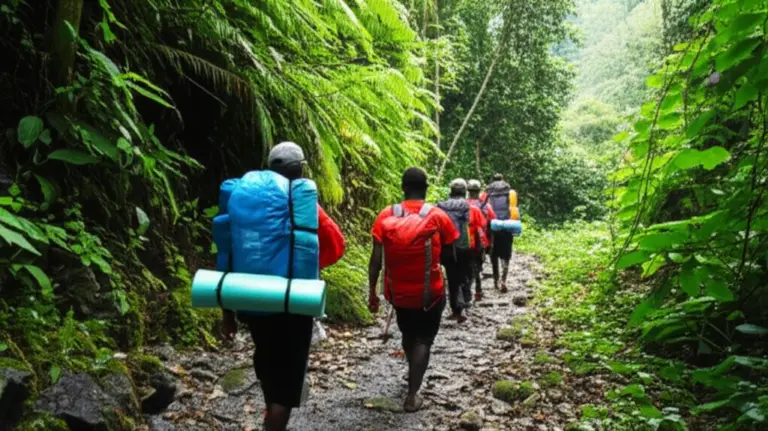
Hiring local assistance is not merely a convenience; it is an essential ethical choice and a safety requirement. Local guides possess intimate knowledge of the terrain, weather patterns, and local dialects, ensuring a safer and more enriching experience. Porters ensure that the economic benefits of your visit reach the community directly.
The Importance of Hiring Locally
Always hire guides and porters through reputable local agencies in Wamena or directly through village cooperatives. Avoid hiring individuals informally at the airport, as this can undermine established community systems.
Fair Wages and Ethical Engagement
Ensure your support staff are paid a fair, predetermined wage, regardless of the trek length or difficulty. Providing basic gear (rain gear, sturdy shoes) is also a highly recommended ethical contribution.
| Ethical Porter Guidelines | Requirement |
|---|---|
| Maximum Load | Should not exceed 15-20 kg. |
| Accommodation | Ensure they have adequate shelter/sleeping arrangements. |
| Nutrition | Provide sufficient food or funds for meals, especially protein. |
| Communication | Agree on daily rates and responsibilities clearly before departure. |
Mastering the Pack-In, Pack-Out Ethos (Zero-Trace Trekking in Papua’s Baliem Valley)
The core principle of Zero-Trace Trekking in Papua’s Baliem Valley is to leave the environment exactly as you found it—or cleaner. Unlike established trekking routes elsewhere, Baliem often lacks formal waste infrastructure. This places the burden of environmental stewardship entirely on the adventurer.
Waste Management and Biodegradable Products
Every piece of non-biodegradable waste (plastic wrappers, batteries, empty containers) must be carried out of the valley. Bring dedicated, sealable trash bags. Minimize packaging before you even depart for Wamena. Choose biodegradable soaps and toiletries for washing, ensuring no chemical runoff enters the pristine river systems.
Minimizing Environmental Impact
Stick strictly to established trails to prevent erosion. When camping, use designated areas or ask permission from local landowners. Never disturb wildlife, collect plants, or take geological samples. Remember, the Baliem Valley ecosystem is fragile; your footsteps should be light and intentional.
Cultural Protocols: Respecting the Dani Way of Life
Interaction with the local community is the highlight of the Baliem Valley trek. To ensure these interactions are positive and respectful:
- Photography: Always seek explicit permission before taking photos, especially of people, children, or spiritual sites. A small monetary contribution may be expected as a gesture of thanks.
- Bartering/Gifts: Avoid aggressive bartering. If offering gifts, ensure they are useful items (like school supplies or simple medical aids) rather than candy or junk food.
- Dress Code: While trekking, wear modest clothing that covers shoulders and knees, particularly when entering villages or traditional compounds.
- Language: Learn a few basic phrases in Bahasa Indonesia or the local Dani language. A simple *Selamat pagi* (Good morning) goes a long way.
Final Checklist for Responsible Adventurers
The Baliem Valley offers an adventure unlike any other, demanding respect, preparation, and a deep sense of environmental responsibility. By adhering to the principles of zero-trace trekking, securing the necessary permits, and engaging ethically with local guides and porters, you contribute directly to the sustainable future of this extraordinary part of Indonesia. Your journey will not only be unforgettable but also impactful in the most positive sense.
คำถามที่พบบ่อย (FAQ)
What is the most crucial permit needed for trekking in the Baliem Valley?
The most crucial permit is the *Surat Jalan* (Travel Letter), issued by the local police (Polres) in Wamena or Jayapura. This document specifies your travel route and duration and must be presented at various military and police checkpoints.
Why is hiring local porters and guides considered mandatory for responsible trekking?
Hiring local staff is mandatory for safety, cultural navigation, and ethical tourism. It ensures the economic benefits of your visit directly support the Dani, Lani, and Yali communities, and their local knowledge is vital for navigating the complex terrain safely.
What does ‘Zero-Trace’ mean in the context of Baliem Valley trekking?
Zero-Trace means adhering to strict Leave No Trace principles, especially the ‘pack-in, pack-out’ rule. Due to lack of infrastructure, all non-biodegradable waste must be carried out of the valley and disposed of responsibly in Wamena or back home.
What is the proper etiquette when photographing local people in the Baliem Valley?
Always ask for explicit permission before taking photographs of individuals or cultural sites. It is customary and respectful to offer a small, agreed-upon monetary thank you or contribution afterward.
References
- Indonesia Travel: Wamena and the Baliem Valley
- The Center for Responsible Travel Guidelines
- Papua Administrative and Safety Guidelines
- What is “zero-trace” trekking and why it matters in Baliem Valley — principles, local culture respect, and environmental impact
- How to obtain permits and legal requirements for trekking in Baliem Valley — authorities, paperwork, timelines, and costs
- Hiring porters and guides ethically — local regulations, fair wages, porter permits, and safety standards