- How to obtain permits and legal requirements for trekking in Baliem Valley — authorities, paperwork, timelines, and costs
- Understanding the Regulatory Landscape of Papua
- The Mandatory Paperwork: Surat Jalan (Police Permit)
- Navigating Local Authority Requirements (Trekking Fees and Cultural Contributions)
- Timelines and Logistics: Planning Your Trek
- Essential Tips for a Smooth Administrative Process
- Locating the Administrative Hub: Wamena
- คำถามที่พบบ่อย (FAQ)
- Q1: Is the Surat Jalan required for all parts of Papua?
- Q2: Can I obtain the Surat Jalan online before arriving in Wamena?
- Q3: How much does it cost to hire a reliable local guide for the Baliem Valley?
- Q4: What happens if I lose my Surat Jalan during the trek?
- Q5: Are there any seasonal restrictions or security alerts I should be aware of?
- References
The Baliem Valley, nestled deep within the highlands of Papua, Indonesia, offers one of the world’s most unique and challenging trekking experiences. Known for its stunning landscapes and the rich, preserved culture of the Dani people, this destination is a magnet for adventure tourists. However, unlike many other Indonesian islands, accessing and trekking in this region requires rigorous adherence to specific legal and administrative procedures. Understanding how to obtain the necessary permits for trekking in Baliem Valley is the critical first step to ensuring a safe, legal, and respectful journey. This comprehensive guide details the authorities involved, the mandatory paperwork, estimated timelines, and associated costs for your Papuan adventure.
Understanding the Regulatory Landscape of Papua
Papua (formerly Irian Jaya) operates under different administrative regulations than the rest of Indonesia, largely due to security considerations and the need to protect the unique cultural heritage of its indigenous populations. For any foreign tourist wishing to travel outside the main city hubs like Wamena, securing an entry permit is non-negotiable. Ignoring this requirement can lead to severe penalties, including immediate deportation. The primary document required is the Surat Jalan (Travel Letter or Permit), issued by the Indonesian National Police (POLRI).
The Mandatory Paperwork: Surat Jalan (Police Permit)
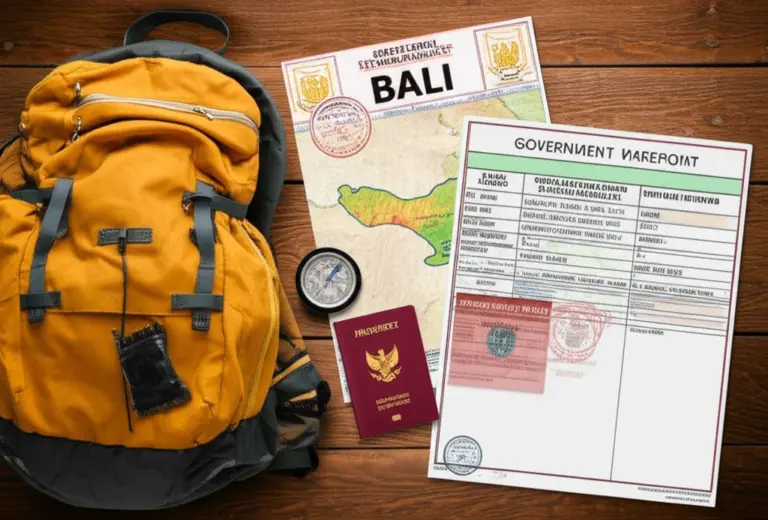
The Surat Jalan is the single most important document required for anyone planning to venture into the remote areas of the Baliem Valley. It acts as an official authorization from the Indonesian government, detailing the specific areas you are allowed to visit and the duration of your stay. Without it, local authorities and military checkpoints will turn you back.
Where to Apply for the Surat Jalan
While it is theoretically possible to apply for the Surat Jalan in major Indonesian cities like Jakarta or Jayapura, the most practical and recommended location for travelers focusing on the Baliem Valley is the main Police Station (Polres) in Wamena. Applying directly in Wamena allows the police to better understand your proposed route and duration within the local context.
Required Documents and Application Process
The application process is straightforward but requires meticulous preparation:
- **Photocopies:** Provide 3-5 copies of your passport (photo page), Indonesian visa (or VOA stamp), and the entry stamp into Indonesia.
- **Passport Photos:** Bring 3-4 recent passport-sized photos (usually 3×4 cm).
- **Application Form:** Fill out the required form at the Polres office, specifying your exact itinerary, including the villages you plan to visit (e.g., Kurulu, Jiwika, Sogokmo).
- **Sponsorship Letter (Optional but Recommended):** If you are using a local guide or trekking agency, a letter of sponsorship from them can significantly speed up the process.
Once submitted, the police will review your documents and issue the Surat Jalan, which must be carried with you at all times and shown at various checkpoints throughout the valley.
Beyond the police permit, there are mandatory local requirements managed by the regional tourism board and individual communities. These fees are vital for local infrastructure maintenance and cultural preservation efforts.
Registration at the Wamena Tourism Office
Before starting your trek, it is highly recommended (and sometimes mandatory depending on the current regulations) to register your presence and itinerary at the Dinas Kebudayaan dan Pariwisata (Culture and Tourism Office) in Wamena. While they do not issue the Surat Jalan, they often collect a small tourism tax or registration fee. They can also provide up-to-date information regarding local conditions and safety warnings.
Village Entry Fees (Cultural Taxes)
As you trek through the remote villages, expect to pay informal yet mandatory “cultural contributions” or village entry fees, sometimes referred to as retribusi. These fees are paid directly to the village head (Kepala Desa) or their representative. The amounts vary, but they are crucial for maintaining good relations with the local communities. Always carry small denominations of Indonesian Rupiah (IDR) for these transactions. A reputable local guide will manage these payments seamlessly.
Timelines and Logistics: Planning Your Trek
Effective planning is key when dealing with the administrative hurdles involved in securing permits for trekking in Baliem Valley. The administrative process, while usually smooth in Wamena, can be subject to local holiday closures or unexpected delays.
Estimated Processing Time and Best Practices
- **Surat Jalan Processing:** Typically takes 1 to 3 hours if all documents are in order and the office is not busy. Plan to dedicate a full morning upon arrival in Wamena.
- **Best Practice:** Arrive in Wamena one full day prior to your planned trek start date. This buffer time allows you to handle the permit process, hire a guide, and finalize logistics without stress.
- **Trekking Duration:** *Surat Jalan* permits are typically issued for the exact duration of your planned trek (e.g., 5 days or 7 days). Be realistic about your itinerary.
Costs Breakdown (Permits, Guides, Accommodation)
While the *Surat Jalan* itself is officially free of charge, there are costs associated with the overall administrative and logistical process. These figures are approximations and subject to change:
| Item | Estimated Cost (IDR) | Notes |
|---|---|---|
| **Surat Jalan** | Free (Officially) | Small administrative fees or ‘tips’ may be requested. |
| **Tourism Registration Fee** | 50,000 – 100,000 | Paid at the Wamena Tourism Office. |
| **Guide/Porter Fees (Daily)** | 350,000 – 700,000+ | Highly recommended for navigation and cultural mediation. |
| **Village Entry Fees (Per Village)** | 50,000 – 150,000 | Paid directly to local communities. |
| **Accommodation (Local Homestay)** | 100,000 – 200,000/night | Basic facilities, usually includes food. |
Essential Tips for a Smooth Administrative Process
To minimize hassle and ensure your exploration of the Baliem Valley is successful, follow these expert recommendations:
- **Hire a Local Guide:** A guide is invaluable. They not only assist with navigation but handle communication with local authorities and village elders, streamlining the complex permitting process and cultural interactions.
- **Fly into Wamena:** The only way to access the region is via air, usually from Jayapura. Ensure your flight reservations are confirmed as they might be required for the permit application.
- **Keep Copies Separate:** Keep your original *Surat Jalan* and passport safe. Carry high-quality photocopies (laminated, if possible) for checkpoints.
- **Learn Basic Bahasa Indonesia:** While not mandatory, showing respect by learning a few basic phrases goes a long way in administrative offices and remote villages.
Locating the Administrative Hub: Wamena
Wamena serves as the gateway and administrative center for all Baliem Valley trekking expeditions. All permit processes start and end here.
Successfully obtaining the necessary permits for trekking in Baliem Valley requires patience and respect for local procedures. By preparing your documentation in advance and utilizing the expertise of local guides, you ensure that your focus remains on experiencing the unparalleled beauty and cultural richness of this extraordinary Indonesian destination.
คำถามที่พบบ่อย (FAQ)
Q1: Is the Surat Jalan required for all parts of Papua?
A: The requirement for a Surat Jalan is primarily for non-urban, sensitive, or remote areas of Papua, including the Baliem Valley. It is generally not required for major towns like Jayapura, Biak, or Sorong, but is mandatory for access to Wamena and any subsequent trekking routes.
Q2: Can I obtain the Surat Jalan online before arriving in Wamena?
A: No. The Surat Jalan application process must be completed in person at a regional Police Station (Polres), usually in Wamena or Jayapura. This is because the police need to visually verify your passport, visa, and entry stamps.
Q3: How much does it cost to hire a reliable local guide for the Baliem Valley?
A: The cost for a local guide varies based on experience, language skills, and the length of the trek, typically ranging from IDR 350,000 to IDR 700,000 per day. This fee often includes their accommodation and food, but not necessarily that of a porter, who is hired separately.
Q4: What happens if I lose my Surat Jalan during the trek?
A: Losing the Surat Jalan is a serious issue. You should immediately contact your guide or return to the nearest administrative post or police checkpoint. Having multiple photocopies stored separately from the original is the best mitigation strategy.
Q5: Are there any seasonal restrictions or security alerts I should be aware of?
A: The dry season (April to October) is generally the best time for trekking. Tourists should always check current travel advisories issued by their home country and consult with the local tourism office or a reputable agency in Wamena regarding any localized security concerns before setting out.
References
Indonesia Travel Official Site – Baliem Valley
Ministry of Foreign Affairs of the Republic of Indonesia (Visa Information)
Indonesian National Police (POLRI) Official Site
- Zero-Trace Trekking in Papua’s Baliem Valley: Permits, Porters, and Pack-In Rules for Responsible Adventurers
- What is “zero-trace” trekking and why it matters in Baliem Valley — principles, local culture respect, and environmental impact
- Hiring porters and guides ethically — local regulations, fair wages, porter permits, and safety standards