How to Plan a Zero-Waste Bali Trip: Finding Refill Stations, Eco-Friendly Accommodations, and BYO Essentials
- How to Plan a Zero-Waste Bali Trip: Finding Refill Stations, Eco-Friendly Accommodations, and BYO Essentials
Bali, the Island of the Gods, draws millions of visitors each year with its stunning rice terraces, spiritual culture, and beautiful beaches. As a destination rooted in a deep respect for nature (Tri Hita Karana), it is a tragedy that the island faces a massive crisis of single-use plastic waste, largely exacerbated by tourism and inadequate waste management infrastructure. Planning a Zero-Waste Bali Trip is no longer a niche choice—it is a responsibility for every conscious traveler visiting this Indonesian paradise. This guide provides the expert framework for minimizing your environmental footprint, ensuring your presence is a blessing, not a burden, on the island.
The Zero-Waste Mindset: Why Bali Needs You
The sheer volume of waste generated daily in Bali often overwhelms local systems, leading to plastic pollution in rivers, landfills, and, most visibly, the ocean. Reports have consistently highlighted that millions of plastic bottles are consumed annually by tourists. By committing to a zero-waste approach, you are tackling the problem at its source: consumption. This shift in mindset involves refusing single-use items and supporting businesses dedicated to sustainability.
Understanding Bali’s Waste Challenge
While the Balinese culture emphasizes harmony with the environment, the rapid influx of modern consumerism and tourism has created a complex environmental challenge. Many local businesses, however, are leading the charge in sustainable practices, offering a robust network of refill opportunities and eco-friendly services. Identifying and supporting these businesses is key to a successful zero-waste journey.
Before You Go: Your BYO Essentials Kit
A successful Zero-Waste Bali Trip begins before you even board the plane. Packing the right reusable items is the single most effective way to eliminate plastic consumption. The goal is to bring your own (BYO) items for eating, drinking, and personal hygiene.
The Ultimate Packing List
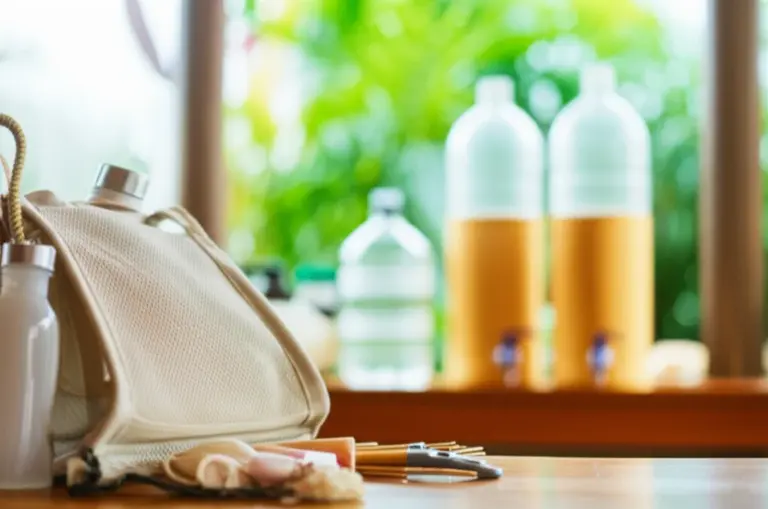
Zero-Waste Travel Kit
- Reusable Water Bottle: Essential for utilizing Bali’s extensive network of refill stations.
- Reusable Cutlery & Straw: Avoid plastic forks and straws at food stalls and restaurants.
- Reusable Shopping Bag/Tote: For markets and grocery shopping.
- Solid Toiletries: Shampoo bars, conditioner bars, and bar soap eliminate plastic bottles.
- Small Containers/Stasher Bags: Useful for packing snacks, leftovers, or taking away food without using styrofoam.
Eco-Friendly Accommodations: Sleeping Sustainably
The definition of luxury in Bali is shifting from excessive consumption to conscious living. Eco-friendly accommodations, often called ‘eco-resorts’ or ‘green stays,’ are designed to minimize resource use, manage waste responsibly, and support local communities. These places often feature rainwater harvesting, solar power, composting toilets, and zero-waste kitchens.
Vetting Green Stays
When booking, look for specific certifications or explicit commitments to sustainability. Ask if they use bulk dispensers for toiletries, avoid single-use plastics in rooms, and how they manage their grey and black water. Many resorts, like Bali Eco Stay, demonstrate a deep commitment to permaculture and zero-waste principles, even generating their own hydropower and composting systems. Supporting these businesses ensures your travel dollars fund positive environmental change.
The most challenging aspect of a zero-waste trip is often accessing clean drinking water without buying plastic bottles. Fortunately, Bali is a global leader in providing solutions.
Bali Refill Station Map & Apps
The RefillMyBottle initiative, which originated in Bali, is a game-changer. It is a network of over 250 businesses across the island—including cafes, shops, and hotels—that offer clean, filtered water refills, often for free or a minimal fee (typically around Rp 5,000 per liter). The initiative has saved millions of plastic bottles from entering the environment [[1]](https://www.nowbali.co.id/refill-bali-saving-bali-one-bottle-time/)[[2]](https://karlijntravels.com/app-refill-my-bottle-bali-zo-vul-waterfles/).
Use the map below to visualize the concentration of eco-conscious businesses in areas like Ubud and Canggu, the hubs of sustainable tourism.
Eating Local and Avoiding Single-Use Plastic
Embrace Balinese food culture by eating at local warungs (small, family-owned restaurants). When ordering takeaway, politely refuse plastic bags and containers and offer your own reusable containers. Look for zero-waste restaurants, such as Ijen at Potato Head Beach Club, which uses a completely zero-waste kitchen approach, opting for line-caught seafood and banana leaves instead of plastic wrap [[3]](https://wanderluxe.theluxenomad.com/zero-waste-bali-guide/). Shopping at local markets for fresh produce also drastically reduces packaging compared to large supermarkets. Remember to bring your reusable produce bags!
Low-Impact Activities and Ethical Souvenirs
Your activities can also be zero-waste. Choose to explore the island by bike or on foot, or use local transport like Gojek/Grab, which have a lower carbon footprint than renting a private car. When selecting souvenirs, choose ethical, locally-made crafts that do not rely on plastic packaging or exploitative labor. Look for items made from natural materials like bamboo, recycled glass, or sustainable wood. Better yet, choose an experience—a cooking class, a traditional dance workshop, or a Balinese purification ceremony—to take home memories, not waste.
คำถามที่พบบ่อย (FAQ)
Is the tap water in Bali safe to drink?
No, the tap water in Bali is generally not safe for tourists to drink. However, this should not deter your zero-waste efforts. Instead of buying bottled water, you should utilize the vast network of Refill Stations across the island, which provide filtered, purified water suitable for drinking. Always carry your own reusable bottle to access this clean water.
How can I easily find Refill Stations during my Zero-Waste Bali Trip?
The easiest and most reliable way to find water Refill Stations is by downloading and using the RefillMyBottle application or accessing their online map. This platform highlights hundreds of locations—including cafes, hotels, and shops—where you can replenish your water bottle for free or a small fee, ensuring you are never far from a sustainable water source.
What is the biggest environmental challenge Bali currently faces due to tourism?
The biggest environmental challenge is the overwhelming volume of single-use plastic waste, particularly water bottles and packaging, which strains the island’s limited waste management infrastructure. This pollution significantly impacts the marine environment and the island’s natural beauty. Responsible tourists practicing zero-waste are vital to mitigating this issue.
Are zero-waste accommodations and eco-resorts more expensive than standard hotels?
While some high-end eco-resorts may have a premium price tag, many mid-range and budget-friendly accommodations are also adopting sustainable practices. The value of staying at an eco-friendly place often outweighs any minor cost difference, as you are supporting businesses that actively contribute to the island’s well-being through responsible waste, water, and energy management.
References
- Bali Refill (Refill Station Network)
- Refill Bali: Saving Bali One Bottle at a Time (NOW! Bali Magazine)
- RefillMyBottle Map (Official Site)
- The conscious traveller’s zero waste Bali guide (WanderLuxe)