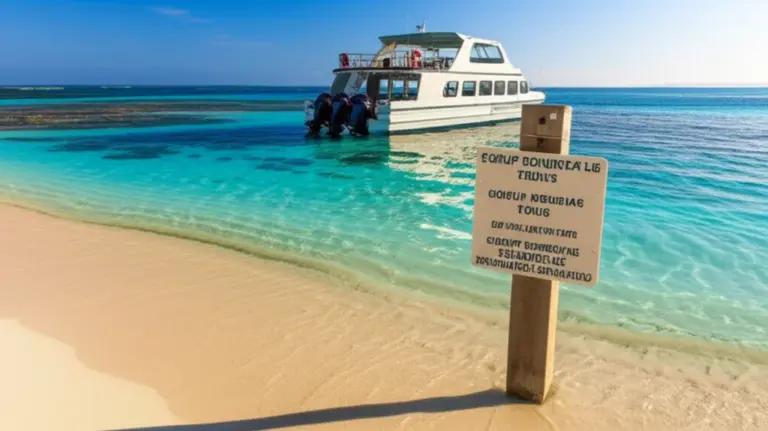
Choosing Eco-Friendly Transport: Best Reef-Safe Boats, Departure Points, and Scheduling to Minimize Disturbance
- Choosing Eco-Friendly Transport: Best Reef-Safe Boats, Departure Points, and Scheduling to Minimize Disturbance
- The Imperative of Eco-Friendly Transport in Indonesia’s Marine Ecosystem
- Understanding Reef-Safe Boats: A Deeper Dive
- Strategic Departure Points: Minimizing Footprint, Maximizing Impact
- Optimizing Scheduling for Conservation and Serenity
- Beyond the Boat: Holistic Eco-Tourism Practices
- Your Role as an Eco-Conscious Traveler
- Conclusion
- คำถามที่พบบ่อย (FAQ)
- What is a reef-safe boat?
- Why is choosing eco-friendly transport important for Indonesia tourism?
- What are some key considerations for eco-friendly scheduling?
- How can I identify a responsible tour operator in Indonesia?
Indonesia, an archipelago of unparalleled natural beauty, beckons travelers with its vibrant marine life, pristine coral reefs, and diverse cultures. However, the allure of its turquoise waters and hidden coves comes with a profound responsibility: to preserve these delicate ecosystems for generations to come. Choosing Eco-Friendly Transport is not just a trend; it’s a necessity for anyone wishing to explore Indonesia responsibly. This guide will navigate you through selecting reef-safe boats, identifying sustainable departure points, and optimizing your travel schedule to minimize environmental disturbance.
The Imperative of Eco-Friendly Transport in Indonesia’s Marine Ecosystem
Indonesia sits at the heart of the Coral Triangle, a global epicenter of marine biodiversity. Its coral reefs are vital nurseries for countless species, supporting local livelihoods and offering breathtaking underwater experiences. Yet, these fragile habitats face escalating threats from climate change, overfishing, and, significantly, unregulated tourism practices. Conventional boats can cause damage through improper anchoring, fuel spills, and waste disposal. Therefore, adopting Eco-Friendly Transport methods is paramount to mitigating these impacts and ensuring the long-term health of Indonesia’s marine treasures.
Understanding Reef-Safe Boats: A Deeper Dive
A truly reef-safe boat goes beyond mere appearance; its operations and design actively minimize harm to the marine environment. When selecting your vessel, consider the following:
Features of an Eco-Friendly Boat
- Responsible Anchoring Systems: Boats should utilize mooring buoys whenever possible. If anchoring is necessary, they must use sand-only anchorages to prevent damage to corals. Operators should be trained in proper anchoring techniques.
- Fuel Efficiency & Emissions: Look for vessels with well-maintained engines that minimize fuel consumption and harmful emissions. Hybrid or electric propulsion systems are ideal and becoming more common.
- Waste Management: A reef-safe boat will have robust systems for managing all waste – no discharge of black or grey water into sensitive areas, proper segregation of recyclables, and strict policies against littering.
- Non-Toxic Materials: The use of eco-friendly paints, cleaning products, and maintenance materials reduces the release of harmful chemicals into the water.
- Noise Reduction: Quieter engines and respectful operations minimize noise pollution, which can disturb marine life.
Types of Vessels Promoting Eco-Tourism
Traditional Indonesian Phinisi boats, often converted into luxury liveaboards, can be excellent choices if operated by companies committed to sustainability. Many now incorporate modern eco-technologies while retaining their cultural charm. Smaller, purpose-built eco-boats with electric motors are also emerging in specific regions, offering truly silent and emission-free experiences.
Strategic Departure Points: Minimizing Footprint, Maximizing Impact
The choice of your departure point and the areas you visit significantly impacts the environment. Indonesia has designated numerous Marine Protected Areas (MPAs) to safeguard its most precious marine ecosystems. These areas often have stricter regulations regarding visitor numbers, activities, and waste management.
Key destinations like Raja Ampat, Komodo National Park, and parts of Bali and the Gili Islands are actively promoting sustainable marine tourism. Operators working within these MPAs are typically more attuned to environmental best practices, including using designated mooring buoys and adhering to strict diving and snorkeling guidelines. Supporting these regulated areas helps fund conservation efforts and ensures a more controlled visitor experience.
When planning your trip, research operators that are certified by reputable eco-tourism organizations or are actively involved in local conservation initiatives. Many will clearly state their commitment to responsible tourism on their websites.
Optimizing Scheduling for Conservation and Serenity
Your travel dates and daily activity schedule can also play a crucial role in minimizing disturbance. Over-tourism can strain local infrastructure and natural resources, leading to degradation.
Avoiding Peak Seasons
Consider traveling during the shoulder seasons (just before or after peak season) or even the low season (with proper weather considerations). This reduces pressure on popular sites, allowing for a more intimate experience and less impact on the environment. While the weather might be less predictable, the rewards of fewer crowds and a lighter footprint are significant.
Minimizing Anchor Damage and Overcrowding at Dive Sites
Responsible tour operators will schedule visits to dive and snorkel sites to avoid overcrowding. This not only enhances your experience but also reduces stress on marine life. They will also prioritize using fixed mooring lines over dropping anchors, a major cause of coral destruction.
Beyond the Boat: Holistic Eco-Tourism Practices
Choosing Eco-Friendly Transport is just one part of a larger commitment to responsible tourism. Here are other practices to embrace:
- Reduce, Reuse, Recycle: Minimize plastic consumption by bringing reusable water bottles, bags, and toiletries. Ask your operator about their waste management policies.
- Respect Marine Life: Maintain a respectful distance from marine animals. Never touch, chase, or feed them. Avoid purchasing souvenirs made from coral or endangered species.
- Support Local Communities: Choose operators, accommodations, and restaurants that employ locals and source products sustainably. This ensures tourism benefits the people who live in these areas.
- Use Reef-Safe Sunscreen: Chemical sunscreens contain ingredients harmful to corals. Opt for mineral-based sunscreens with zinc oxide or titanium dioxide.
| Eco-Friendly Practice | Impact on Environment |
|---|---|
| Choose boats with mooring buoys | Prevents coral damage from anchors |
| Travel during shoulder season | Reduces tourist pressure on sites |
| Use reef-safe sunscreen | Protects marine ecosystems from harmful chemicals |
| Support local, certified operators | Ensures adherence to conservation standards |
| Minimize plastic waste | Reduces ocean pollution |
For a deeper dive into Indonesia’s commitment to sustainable tourism, watch this insightful video:
Your Role as an Eco-Conscious Traveler
As a traveler, your choices have power. By consciously opting for Eco-Friendly Transport and adopting sustainable practices, you become an active participant in preserving Indonesia’s natural heritage. Your responsible actions contribute to a positive cycle: healthier ecosystems attract more discerning tourists, supporting local conservation efforts and ensuring the long-term viability of tourism for future generations.
Conclusion
Exploring Indonesia’s breathtaking marine landscapes is an unforgettable experience. By making informed choices about Eco-Friendly Transport, including reef-safe boats, strategic departure points, and mindful scheduling, you not only protect these invaluable ecosystems but also deepen your connection with the destination. Embrace sustainable tourism, and become a part of the solution, ensuring that Indonesia’s wonders continue to thrive for all to enjoy.