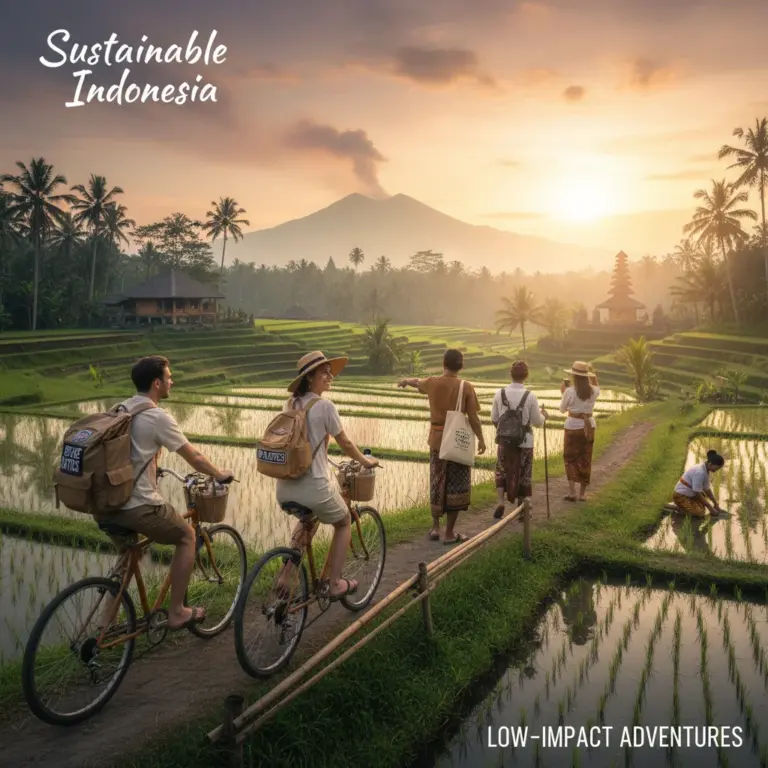
Sustainable Travel in Indonesia: Practical Tips to Minimize Your Environmental and Cultural Impact
- Sustainable Travel in Indonesia: Practical Tips to Minimize Your Environmental and Cultural Impact
- Minimizing Your Environmental Footprint in the Archipelago
- Respecting Cultural Norms and Supporting Local Economies
- Practical Logistics for the Green Traveler
- Conclusion: Becoming a Guardian of the Archipelago
- คำถามที่พบบ่อย (FAQ)
- 1. How can I find truly local, sustainable accommodation in Bali?
- 2. Is it acceptable to give money directly to beggars or children?
- 3. What is the best way to offset the carbon footprint of my long-haul flight to Jakarta or Denpasar?
- 4. Are there specific diving certifications required for responsible marine exploration?
- References
Indonesia, the sprawling archipelago of over 17,000 islands, offers unparalleled natural beauty and rich cultural tapestry. However, its popularity brings significant challenges regarding conservation and community well-being. For the conscious explorer, embracing Sustainable Travel in Indonesia: Practical Tips to Minimize Your Environmental and Cultural Impact is not just an option—it is a necessity. This guide provides actionable, expert advice to ensure your adventure leaves only positive footprints.
As responsible tourists, we must move beyond simple sightseeing to active stewardship. True sustainable tourism respects the delicate ecosystems, from the coral reefs of Raja Ampat to the rainforests of Sumatra, and honors the diverse local customs that define this incredible nation. Let’s dive into how you can travel thoughtfully.
Minimizing Your Environmental Footprint in the Archipelago
Indonesia faces acute environmental pressures, particularly concerning plastic waste and biodiversity loss. Adopting eco-conscious habits is paramount for any visitor aiming for true sustainability.
1. Tackle Plastic Pollution Head-On
Plastic waste management is a major challenge across many Indonesian islands. Your personal commitment can make a tangible difference.
- Carry Reusables: Always travel with a high-quality reusable water bottle. Utilize filtered water stations or purification tablets/filters, as buying bottled water daily creates immense waste.
- Refuse Single-Use: Politely decline plastic straws, bags, and unnecessary packaging when ordering street food or shopping. Carry a light canvas shopping bag.
- Pack It Out: If you visit remote areas lacking waste infrastructure, be prepared to carry your non-biodegradable trash with you until you find a proper disposal point.
2. Choose Eco-Conscious Transportation
Travel within Indonesia often involves multiple modes of transport, each with its carbon impact.
- Prioritize Direct Flights: When flying long distances (e.g., Java to Papua), choose direct routes to reduce fuel consumption associated with take-offs and landings.
- Embrace Land/Sea Travel: For shorter hops, opt for trains (excellent in Java), buses, or ferries over domestic flights. It’s slower, but dramatically reduces your carbon footprint and often offers better cultural insight.
- Local Transport: Use bicycles, walk, or rely on ride-sharing apps (like Gojek or Grab) that offer bike taxis for short distances within cities.
3. Responsible Marine and Wildlife Encounters
The marine life is Indonesia’s greatest treasure. Protecting it requires vigilance.
When booking wildlife tours (e.g., Komodo dragons, orangutans), rigorously vet the operators. Ensure they adhere to strict non-interference guidelines. Never feed wild animals, as this disrupts their natural behavior and diet.
Responsible engagement ensures these magnificent creatures remain wild and healthy for generations to come.
Respecting Cultural Norms and Supporting Local Economies
Sustainable Travel in Indonesia: Practical Tips to Minimize Your Environmental and Cultural Impact extends deeply into how you interact with the local populations, particularly in cultural hubs like Bali, Java, and Lombok.
Choosing Authentic Accommodation and Tours
Large, foreign-owned resorts often siphon profits away from the local community. Seek alternatives that guarantee local economic benefit.
| Option | Sustainability Benefit |
|---|---|
| Homestays (Homestay) | Direct income to local families; authentic cultural exchange. |
| Locally-Owned Boutique Hotels | Higher percentage of revenue stays within the Indonesian economy. |
| Community-Based Tourism (CBT) | Ensures tourism development is controlled and beneficial to the village itself. |
Cultural Sensitivity and Etiquette
A little research goes a long way in showing respect for Indonesia’s diverse religious and social structures.
- Dress Code: When visiting temples (pura or masjid), always cover your shoulders and knees. Sarongs and sashes are often required; respect local guidance on where to rent or borrow them.
- Language: Learn a few basic phrases in Bahasa Indonesia (e.g., Terima Kasih – Thank you). This small effort is highly appreciated.
- Bargaining Etiquette: Bargaining is common in markets, but always do so with a smile and respect. Never lowball severely; remember that every Rupiah counts for the vendor.
Supporting Ethical Craftsmanship
When purchasing souvenirs, prioritize items made locally from sustainable materials. Avoid products made from endangered hardwoods, sea turtle shells, or protected animal parts. Look for certifications or ask vendors directly about the origin of their materials.
Practical Logistics for the Green Traveler
To truly implement Sustainable Travel in Indonesia: Practical Tips to Minimize Your Environmental and Cultural Impact, integrate these logistical steps into your planning phase.
Energy and Water Conservation
In many areas, infrastructure struggles to keep up with demand. Be mindful of your consumption, even if your accommodation seems modern.
- Turn off air conditioning and lights when leaving your room.
- Take shorter showers; water scarcity is real, especially on smaller islands.
Choosing Ethical Tour Operators
Researching tour providers specializing in eco-tourism is crucial, especially for activities like trekking Rinjani or visiting Komodo National Park. Look for operators who employ local guides exclusively, use low-impact camping gear, and have clear waste management policies. A good operator will often highlight their commitment to sustainability on their website or marketing materials.
Conclusion: Becoming a Guardian of the Archipelago
Indonesia’s future depends on the choices made by its visitors today. By integrating these practical strategies—reducing plastic, choosing local, respecting sacred spaces, and supporting genuine conservation efforts—you transform from a mere tourist into a responsible global citizen. Embrace the journey, respect the land and its people, and ensure your memories of the Spice Islands are as vibrant as the coral reefs you help protect.
คำถามที่พบบ่อย (FAQ)
1. How can I find truly local, sustainable accommodation in Bali?
Look for homestays advertised by local community groups or search for certified eco-lodges outside the main tourist hubs like Kuta or Seminyak. Always check reviews to ensure the property uses local staff and sources food locally.
2. Is it acceptable to give money directly to beggars or children?
Generally, it is discouraged by ethical travel organizations. Giving money can inadvertently encourage begging behavior or interrupt children’s education. Instead, donate to reputable, registered local charities that focus on education or community development in the area you are visiting.
3. What is the best way to offset the carbon footprint of my long-haul flight to Jakarta or Denpasar?
Research verified carbon offset programs that specifically fund reforestation or renewable energy projects within Indonesia. Look for Gold Standard or Verified Carbon Standard (VCS) certifications for transparency.
4. Are there specific diving certifications required for responsible marine exploration?
While not always mandatory, having PADI, SSI, or equivalent certification ensures you understand basic buoyancy control, which is crucial to avoid accidental contact with fragile coral ecosystems.
References
WWF Indonesia Conservation Efforts
UN Environment Programme on Sustainable Tourism
- Why sustainable travel in Indonesia matters: understanding environmental, social, and economic impacts
- How to plan an eco-friendly trip: choosing destinations, transportation, and low-impact accommodations in Indonesia
- Responsible activities and wildlife interactions: best practices for beaches, forests, reefs, and cultural sites